Yair Lapid is selling a fantasy that the Middle East cannot afford to buy. By calling for regime change in Tehran and backing maximalist strikes, the Israeli opposition leader isn't just playing to his base; he’s ignoring forty years of failed Western interventionism. The "lazy consensus" in Jerusalem and Washington suggests that if you remove the head of the snake, the body dies. History suggests the body just grows three more heads, and they’re all hungrier than the last.
The Myth of the Clean Surgical Strike
The establishment loves the term "surgical." It implies precision, minimal bleeding, and a patient who wakes up cured. When Lapid advocates for strikes on Iranian infrastructure, he’s gambling on a version of physics that doesn't exist in urban warfare or international relations. For a more detailed analysis into similar topics, we suggest: this related article.
You cannot bomb a country into a liberal democracy. We tried it in Iraq. We tried it in Libya. In every instance, the vacuum left by a shattered central authority wasn't filled by briefcase-carrying secularists. It was filled by militias, extremists, and chaos. If Lapid gets his wish and the Islamic Republic collapses under the weight of external fire, the result isn't a "New Middle East." It’s a 1,600-kilometer-wide black hole of instability that would make the Syrian Civil War look like a minor border dispute.
Regime Change is a Marketing Term Not a Strategy
Lapid’s rhetoric relies on the assumption that the Iranian public is a monolith waiting for a foreign savior to drop a bomb so they can finally wave a different flag. This is a fundamental misunderstanding of Persian nationalism. For further context on this topic, detailed coverage is available on The New York Times.
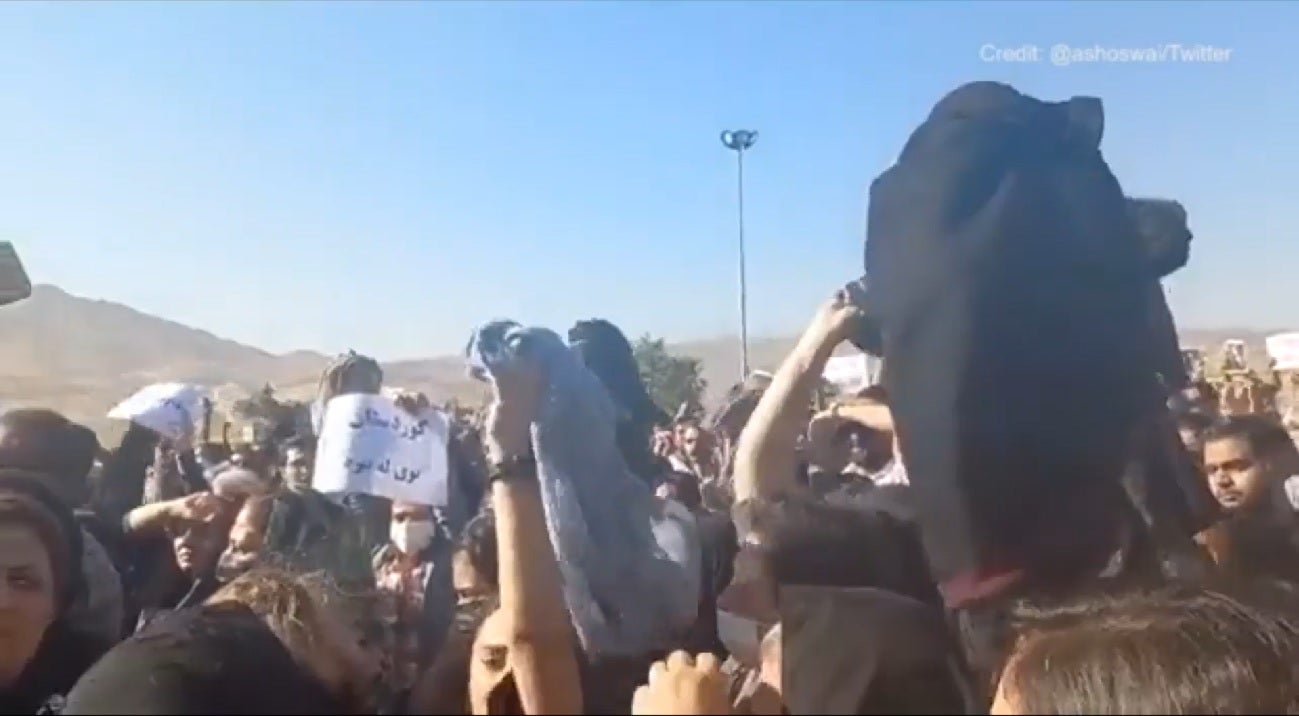
Even those who loathe the morality police in Tehran tend to have a funny reaction when foreign missiles hit their power plants. External aggression almost always triggers a rally-around-the-flag effect. I’ve watched analysts make this mistake for decades: they conflate domestic dissent with a desire for foreign-led "liberation." They are not the same thing.
When you call for regime change from the outside, you hand the hardliners the perfect propaganda tool. You validate their narrative that every protest is a Mossad-backed operation. You don't empower the youth in Tehran; you paint a target on their backs.
The Economic Suicide of Escalation
Let’s talk about the math that Lapid conveniently skips. A full-scale strike on Iran isn't a localized event. It is a global economic cardiac arrest.
- The Strait of Hormuz: About 20% of the world's liquid petroleum passes through this chokepoint. Iran doesn't need a superior navy to close it; they just need enough mines and cheap drones to make insurance premiums so high that no tanker will sail.
- The Proxy Burn: Hezbollah has 150,000 rockets pointed at Tel Aviv. You strike Tehran to "stop the threat," and you trigger the very catastrophe you claimed you were trying to prevent.
- The Reconstruction Fallacy: Who pays for a post-collapse Iran? The global community is already tapped out. There is no Marshall Plan coming for a nation of 88 million people.
The "experts" shouting for escalation never account for the second-order effects. They operate in a world of static targets, forgetting that the enemy gets a vote in how the play ends.
The Nuclear Paradox
The irony of Lapid’s stance is that military strikes are the quickest way to ensure Iran actually builds a bomb. Right now, the program is a point of leverage and a deterrent. The moment you launch a "regime-ending" strike, you remove any incentive for restraint. If the survival of the state is already off the table, why wouldn't they go for the ultimate insurance policy?
If you want to prevent a nuclear Iran, you need a functional state to negotiate with. You cannot sign a treaty with a smoking crater or a dozen warring warlords.
The Actionable Alternative
Stop chasing the "regime change" ghost. It’s a failed 20th-century relic. If you want to neutralize the threat, you move toward Strategic Asymmetry.
- Internal Pressure without External Fingerprints: Support the Iranian people through digital infrastructure and sanctions that target the elite, not the breadline.
- Regional Integration: Deepen the Abraham Accords until the IRGC is an economic island.
- Realistic Deterrence: Build a regional defense architecture that makes an Iranian attack physically impossible to succeed, rather than trying to delete the regime from the map.
The Brutal Truth
Lapid is an intelligent man, but he is trapped in the "strongman" cycle of Israeli politics. To look like a leader, he has to sound more hawkish than the current government. This isn't strategy; it’s an audition.
The status quo is miserable, but the "solution" of a forced collapse is a trap. We have seen this movie before. We know how it ends. The credits roll over a landscape of ruins, and the "liberators" are left wondering why the locals aren't throwing flowers.
Don't mistake a loudest-voice-in-the-room stance for a viable plan. Bombing your way to a peaceful neighbor is like trying to put out a fire with a chainsaw. You’ll get a lot of sparks, a lot of noise, and in the end, everything still burns.
Stop asking when we will strike. Start asking what we do when the strike fails to achieve anything but more blood.