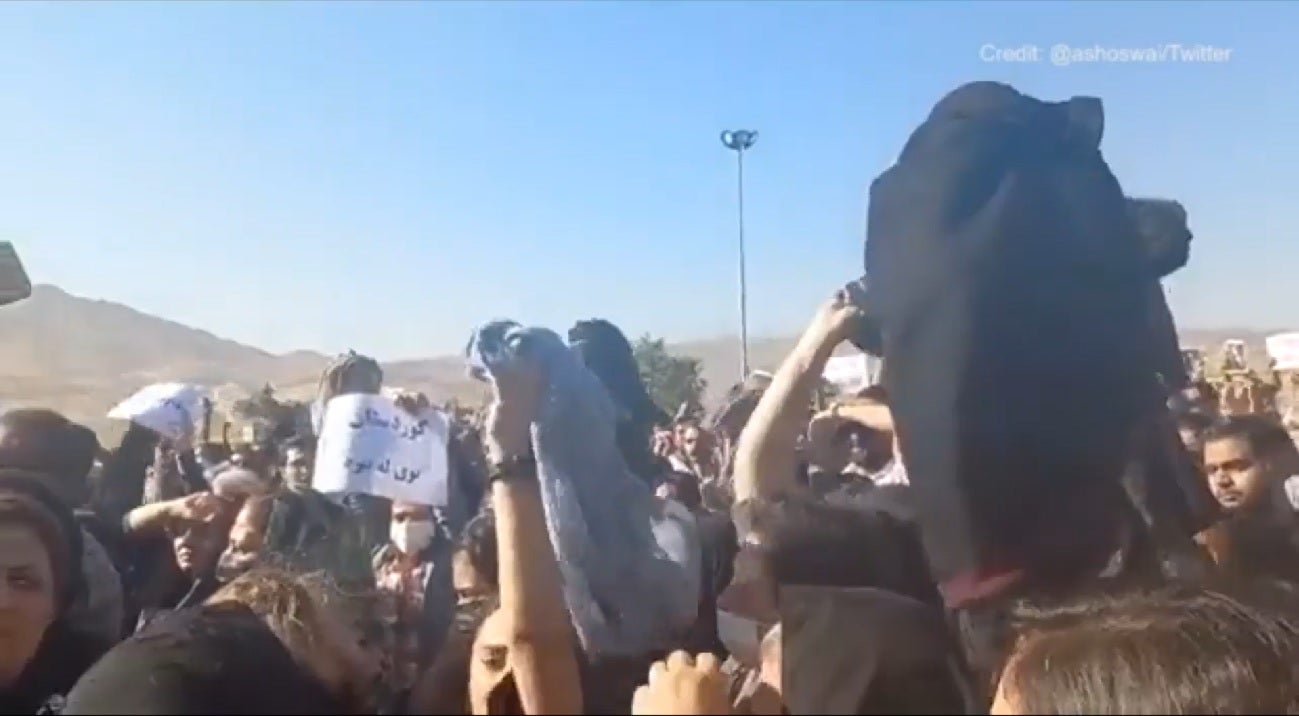
Military conflict is not a tragedy to the people who actually run the world. It is a line item.
The breathless reporting surrounding recent US strikes in Iran—and the subsequent warnings about American casualties—is a masterclass in missing the point. The media wants you to focus on the fear. They want you to weigh the "cost" in lives as if the decision-makers in Washington and the boardrooms of Arlington haven't already performed that math.
They have. And they’ve decided the price is right.
The lazy consensus suggests that war is a failure of diplomacy. In reality, war is the ultimate expression of a specific type of economic and geopolitical strategy. When the administration "warns" that Americans might die, they aren't expressing a concern. They are preparing the market for the inevitable overhead of maintaining a global empire.
The Myth of the Accidental Escalation
Mainstream pundits love the "slide into war" narrative. It frames the US and Iran as two weary boxers accidentally falling into a clinch. This is a fairy tale.
Escalation is a choice. You don't "stumble" into a strike on Iranian soil or its high-value proxies. You execute it because the alternative—allowing a regional power to dictate the flow of $100 trillion in global trade—is viewed as more expensive than a few thousand body bags.
The US military exists to subsidize the global supply chain. When you hear about "defending democracy" or "countering terror," translate that to "protecting the insurance rates of Maersk cargo ships."
I have spent years watching how geopolitical risk is priced in. The volatility we see in the headlines is often a lagging indicator of decisions made months ago in closed-door sessions. The "warning" about American deaths is a PR shield, designed to front-load the grief so that when the flag-draped coffins arrive, the public has already processed the shock. It’s an exercise in social risk management, not a plea for peace.
The Inverse Relationship of Human Cost and Capital
If you want to understand the true intent of US foreign policy, stop looking at the State Department's press releases. Look at the defense prime contracts and the energy futures.
There is a brutal, inverse relationship at play: the more the public focuses on the "unacceptable human cost," the more the underlying institutional machinery solidifies its grip on the region.
- The Energy Fixation: Iran sits on the world's fourth-largest oil reserves and the second-largest gas reserves.
- The Logistics Moat: Controlling the Persian Gulf is the only way to ensure the US dollar remains the undisputed medium of exchange for the planet’s lifeblood.
- The Defense Feedback Loop: Conflict justifies the next generation of hypersonic development.
Imagine a scenario where the US actually prioritized zero casualties. We would withdraw every asset from the Middle East tomorrow. But we don't. Because the "unpredictability" of Iran is the perfect justification for a permanent military presence that secures the petrodollar.
The media asks: "Is the risk worth it?"
The insider asks: "How much more can we squeeze out of this risk?"
Why Your Outrage Is a Controlled Asset
The competitor's article focuses on the "warning" as if it’s a moment of honesty. It isn't. It's a psychological anchor. By telling you "some may die," they are setting a floor for your expectations. If ten people die, it’s a tragedy. If five die, it’s a "success" because it was fewer than warned.
This is how you manufacture consent for a long-term, low-intensity conflict. You don't sell the public on a total victory—that's too hard to deliver. You sell them on "manageable loss."
Let’s dismantle the "People Also Ask" nonsense surrounding this:
- "Will this start World War III?" No. Total war is bad for business. High-tension, localized strikes that keep defense stocks at all-time highs are the sweet spot.
- "Is Iran a direct threat to the US mainland?" Hardly. But they are a threat to the hegemony of US financial interests.
- "Why can't we just use sanctions?" Because sanctions are a slow poison. Kinetic strikes are a surgical statement.
The Professionalism of Dead Ends
I’ve seen the way these "surgical strikes" are planned. There is a precise calculation of what constitutes a "proportionate" response. It’s a game of chicken where the stakes are human lives, played by people who will never have to visit a VA hospital.
The "insider" truth is that the US military-industrial complex doesn't want to destroy Iran. They want Iran to remain exactly what it is: a permanent, credible bogeyman that justifies a $900 billion annual defense budget. If Iran fell tomorrow, Raytheon and Lockheed would have to invent a new villain by Monday morning.
This is the nuance the "war is bad" crowd misses. They think the goal is peace. The goal is actually sustained tension. Peace is a stagnant market. Total war is a volatile, high-risk market. Sustained tension is a predictable, high-yield growth environment.
The Strategy of the Sacrifice
The administration’s warning about American deaths is the ultimate hedge. It allows them to claim they were "transparent" while continuing a policy that guarantees those deaths.
If you are an investor, a citizen, or a soldier, you need to recognize the hierarchy of value here.
- The Dollar
- The Trade Routes
- The Political Narrative
- Your Life
The order never changes.
The "risk" to Americans is not a bug in the system; it is a feature of the grand strategy. It provides the moral high ground for the next round of strikes. It creates the martyrs needed to fuel the next decade of presence in the region.
Stop asking if the US can avoid casualties. Start asking why the system requires them.
When the bombs drop and the "unfortunate" losses are reported, remember: this wasn't a failure of intelligence or a lapse in judgment. It was the cost of doing business in a world where the ledger is written in blood and the profits are denominated in USD.
The warning isn't for your protection. It's for their protection.
The machinery is hungry.
Don't be the fuel that thinks it's the driver.