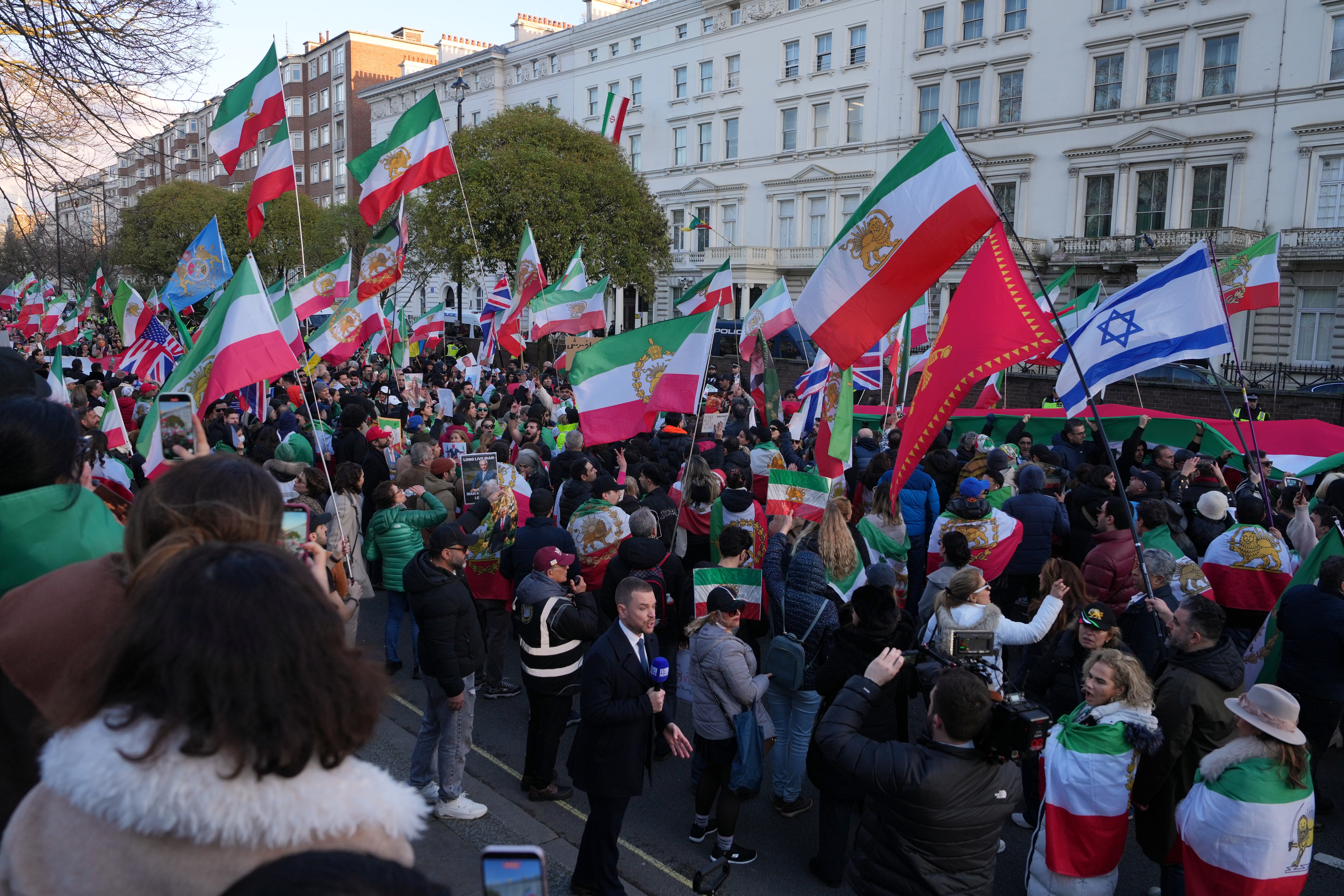
The Middle East just shifted. On February 28, 2026, the United States and Israel launched a massive, coordinated military campaign against Iran, codenamed Operation Epic Fury by the Americans and Operation Roaring Lion by the Israelis. This wasn't a "surgical strike" or a warning shot. It was a decapitation attempt. With reports confirming the death of Supreme Leader Ali Khamenei and other top officials, the world is now scrambling to figure out if we’re on the brink of a global war.
You’ve likely seen the headlines, but the real story is in the fractured global response. While some allies are nodding in silent (or vocal) approval, others are terrified that the "rules-based order" just went up in smoke.
The Strike Heard Round the World
The details are staggering. Over 200 Israeli jets and a barrage of US Tomahawk missiles hit more than 500 targets in a single day. They didn't just go after missile silos; they went for the heart of the government in Tehran. President Donald Trump was blunt, calling on the Iranian people to "take back their country."
But Iran didn't just sit there. Their retaliation was swift and messy. They fired missiles and drones at US bases and allies across the region, including Qatar, Kuwait, the UAE, and Jordan. One strike even hit a girls' elementary school in Minab, causing mass casualties. This is exactly the kind of chaos everyone feared.
Who is Backing the Play
Not everyone is hiding behind "diplomatic concerns." A handful of nations have come out swinging in support of the US-Israeli action.
- Australia and Canada: Both countries have been unusually firm. Canadian Prime Minister Mark Carney called the Iranian regime the "principal source of instability" in the region.
- Israel: Obviously. Defense Minister Israel Katz labeled it a "pre-emptive attack" to remove an existential threat. They’re now in a state of emergency, moving hospitals underground and bracing for a long fight.
- Ukraine: Dealing with their own Iranian-supplied drone problems for years, Kyiv has signaled support for the strikes.
The Great European Tightrope Walk
Europe is in a bind. They hate Iran's nuclear program, but they’re terrified of Trump’s unilateralism. British Prime Minister Keir Starmer, French President Emmanuel Macron, and German Chancellor Friedrich Merz released a joint statement that tried to have it both ways. They condemned Iran's retaliatory strikes "in the strongest terms" but pointedly didn't endorse the initial US-Israeli bombing.
Macron was particularly sharp, saying he was "neither warned nor involved." The European Union's top diplomat, Kaja Kallas, called the situation "perilous." Honestly, the Europeans look like they’re watching a car crash in slow motion—they see the danger, but they don't have the brakes.
China and Russia are Fuming
If you wanted to see the "New Cold War" in action, look at the reactions from Moscow and Beijing. Russia called the strikes a "deliberate, premeditated, and unprovoked act of armed aggression." They’ve already pushed for an emergency UN Security Council meeting.
China, usually more reserved, expressed "high concern" and demanded an immediate halt to military action. For them, this isn't about human rights or nuclear weapons; it’s about sovereignty and the fact that a major oil supplier is currently being dismantled by their primary global rivals.
The Neighbors are Terrified
The Arab world is caught in the literal crossfire. Qatar and Kuwait saw missiles flying into their territory. The Arab League is begging for de-escalation, but they’re also furious at Iran for violating their sovereignty during its retaliation.
What This Actually Means for You
This isn't just a "news story" for people in the Middle East. It’s a massive shift in how global power is exercised.
- Regime Vacuum: With Khamenei reportedly dead, there is no clear successor. Iran is a house of cards right now.
- Energy Markets: Expect oil prices to go insane. If the Strait of Hormuz gets blocked or Iranian infrastructure is further crippled, your gas prices are the least of the world's worries.
- The End of Diplomacy: The UN Secretary-General, António Guterres, basically said the chance for dialogue has been "squandered." We've moved from the talking phase to the "who has the bigger bomb" phase.
If you’re looking for a silver lining, there isn't one yet. The US and Israel have committed to "ongoing" operations. Iran’s proxy networks—Hezbollah, the Houthis—haven't even fully entered the fray.
Stay updated on the UN Security Council emergency briefings scheduled for this week. If you have interests or family in the region, monitor the travel advisories from your local embassy immediately. Things are moving fast, and the "wait and see" approach died on February 28.


