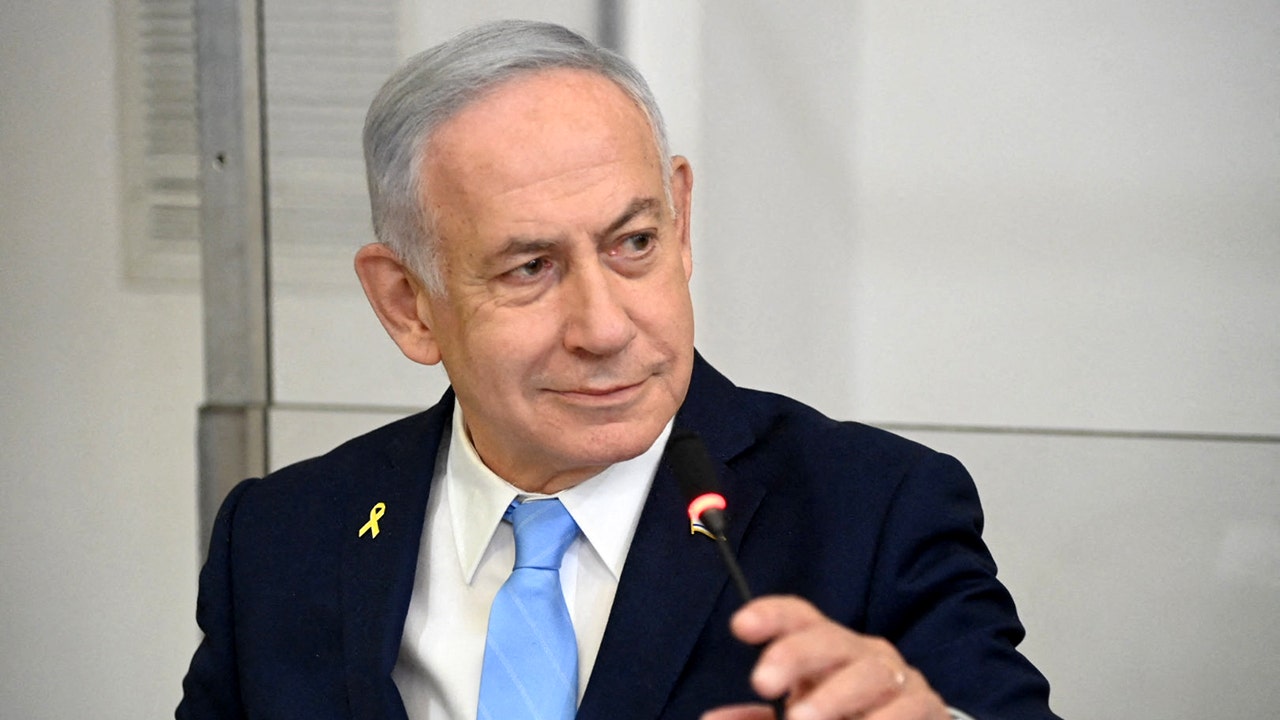
Benjamin Netanyahu is making a massive bet. While the world watches the sky over Tehran and counts the missile strikes, Israel’s Prime Minister isn’t just talking about military targets. He’s promising an end. Speaking recently on Fox News, Netanyahu threw cold water on the idea that we’re looking at a multi-year quagmire. "You’re not going to have an endless war," he insisted. He’s calling this a "quick and decisive action."
That’s a bold claim for a region where "quick" usually turns into "decades." But Netanyahu’s logic isn't built on wishful thinking alone. It’s built on the belief that the Iranian regime is currently at its absolute weakest point since the 1979 revolution. With the reported death of Supreme Leader Ali Khamenei in the initial waves of Operation Lion’s Roar, the power vacuum in Tehran is real. Netanyahu isn't just trying to win a war; he’s trying to collapse a system.
The Strategy of Decisive Force
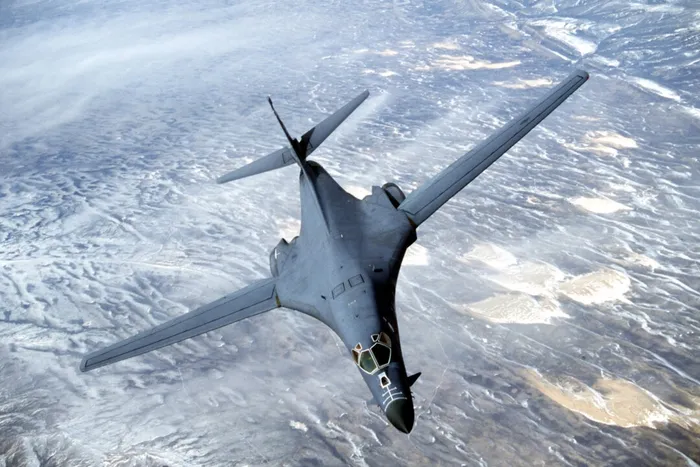
The joint U.S.-Israeli campaign, dubbed Operation Epic Fury by Washington, isn't a slow burn. It’s a sledgehammer. In the first few days of March 2026, the coalition has already pounded over 1,250 targets. We aren't talking about symbolic strikes. They’re hitting the nervous system of the Islamic Republic: command centers, naval assets in the Persian Gulf, and the underground bunkers where the nuclear program was supposed to be "immune."
Netanyahu’s "no endless war" pledge relies on three specific factors:
- Neutralizing Retaliation: By destroying 11 Iranian warships and hitting over 600 missile sites in 72 hours, the coalition has already seen a 50% drop in Iranian launches. If they can’t hit back, they can’t sustain a long-term conflict.
- The Nuclear Clock: Netanyahu revealed that Iran was months away from completing "immune" underground sites. By striking now, he claims they’ve prevented a scenario where a war would have to be endless because Iran would have the ultimate deterrent.
- Regime Fragility: This is the big one. Netanyahu believes the Iranian people are ready to "take their destiny into their own hands." He’s not planning for an occupation. He’s planning for a collapse.
Why This Isn't 2003 All Over Again
The ghost of the Iraq War haunts every conversation about Iran. Critics say we’ve heard the "quick and decisive" line before. But Netanyahu and the Trump administration are taking a different tack. There are no plans for ground boots in Tehran. Instead, they’re using a "decapitation and degradation" model.
The goal isn't to build a new Iranian government. It’s to break the current one’s ability to project power. Netanyahu laughs off the idea that he’s dragging the U.S. into a "forever war." He points to the Abraham Accords as the blueprint. In his view, once the "terror regime" falls, the Middle East doesn't just get quiet—it gets busy making peace deals. He even explicitly mentioned Saudi Arabia as the next domino to fall into a peace agreement once the Iranian threat is neutralized.
The Human and Economic Toll
Honestly, it’s not all clean lines and surgical strikes. The Iranian Red Crescent is reporting over 500 dead, including civilians. In Israel, the iron dome is working overtime, but buildings in Beit Shemesh and Tel Aviv have been hit. Global oil prices are jumping because the Strait of Hormuz is effectively a no-go zone.
Netanyahu knows the clock is ticking on international patience. A Reuters/Ipsos poll shows only 25% of Americans support these strikes. This is exactly why he’s hammering the "not an endless war" message. He needs to convince the public—and his allies—that this is a short-term pain for a long-term, tectonic shift in regional security.
What Happens if he is Wrong
If the regime doesn't collapse, and instead rallies around the flag, Netanyahu’s "quick action" becomes a nightmare. An Iran with its back to the wall, even with a depleted navy, can still cause chaos through its proxies like Hezbollah. We’ve already seen Hezbollah ramping up attacks in Northern Israel.
But for Netanyahu, the risk of doing nothing was higher. He’s betting that the combination of internal Iranian protests, a crippled economy, and the loss of their Supreme Leader has created a "perfect storm" for change. He’s basically saying: "Give us weeks, not years, and the Middle East will never be the same."
If you’re watching this play out, keep your eyes on the Strait of Hormuz and the internal streets of Tehran. The success of Netanyahu’s "non-endless" war won't be measured by how many missiles hit their targets, but by whether the Iranian people actually step into the vacuum the coalition is creating.
Monitor the daily strike reports and the price of Brent Crude. If the launch numbers continue to drop and the internal dissent in Iran grows, Netanyahu might actually pull off the "decisive action" he’s promised. If not, the "endless war" he fears might be exactly what he gets.