The chattering class is obsessed with "battle plans." They want maps, logistics, and clear exit strategies. They look at the current friction between the Trump administration and Iran and see a chaotic sprawl. They see "mounting criticism" as a sign of failure. They are fundamentally wrong because they are judging a 21st-century asymmetric chess match by 19th-century Clausewitzian standards.
The media’s "lazy consensus" is that a lack of a transparent, rigid military blueprint is a weakness. In reality, in the current geopolitical theater, transparency is a liability. Predictability is a death sentence. The criticism isn't about a lack of a plan; it’s about a lack of comfort. People want to feel like there’s a tidy script. There isn’t. There shouldn't be.
The Myth of the Clean War
Most critics are still haunted by the ghosts of 2003. They think every Middle Eastern engagement must involve a "Mission Accomplished" banner and a multi-year nation-building project. This is a failure of imagination.
The current strategy isn't about occupation. It’s about kinetic disruption.
When the press screams about a "spreading conflict," they fail to notice that the spread is the objective, not the accident. By forcing an adversary to defend everywhere, you ensure they are strong nowhere. If you give the Pentagon a decade to draft a "perfect" plan, the enemy gets a decade to build a counter-measure.
I have watched organizations—both corporate and governmental—stagnate because they prioritized "alignment" over "agility." They wait for the perfect data set while the market (or the enemy) shifts beneath their feet. In the time it takes for a congressional committee to approve a formal strategy, the technology of the conflict has already evolved.
Deterrence Through Unpredictability
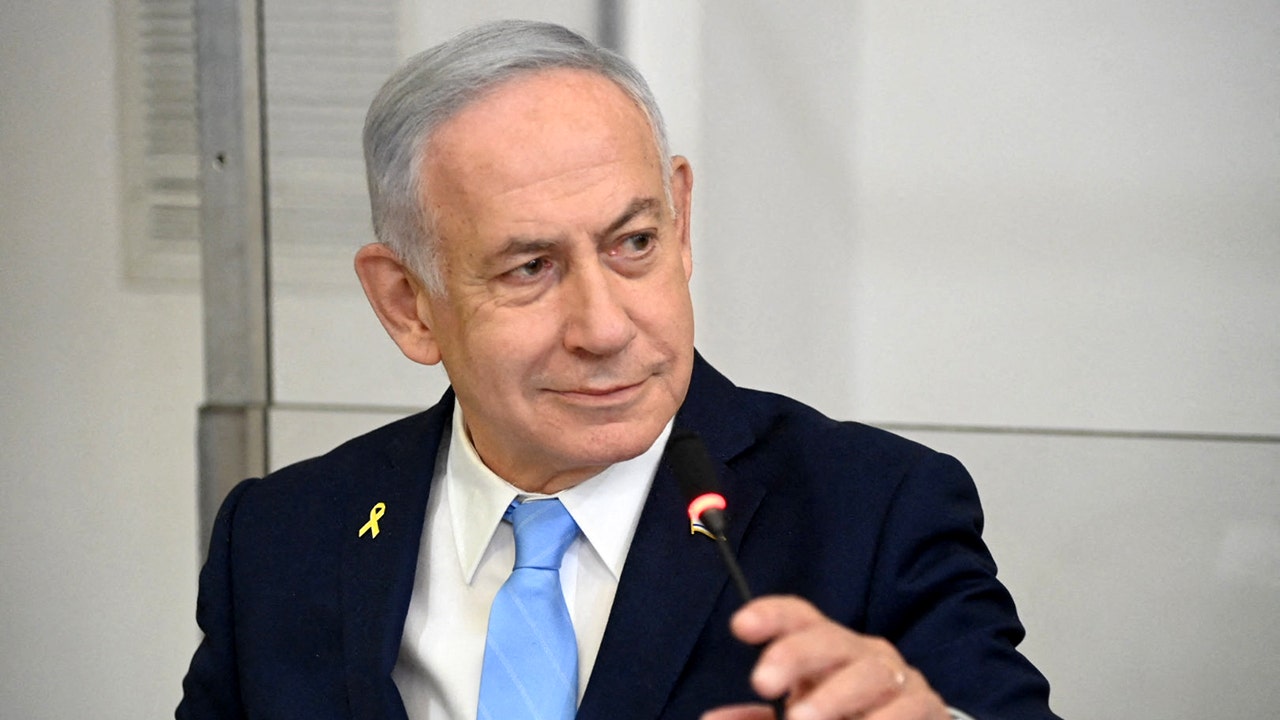
Critics argue that Trump is "pushing back" on criticism because he’s defensive. That’s a surface-level read. He’s pushing back because the criticism itself is based on the flawed premise that an adversary should know what you’re going to do next.
Consider the OODA Loop (Observe, Orient, Decide, Act), a concept developed by military strategist John Boyd. The goal is to cycle through these steps faster than your opponent. If your "battle plan" is public enough for pundits to debate it on cable news, your OODA loop is broken. You are static.
- The Critic’s View: We need a clear, phased escalation ladder.
- The Reality: An escalation ladder is just a set of instructions for the enemy on how to bleed you slowly without triggering a full response.
By maintaining a posture of radical unpredictability, the administration forces Iran to play a guessing game with infinite variables. This isn't "chaos." It's strategic ambiguity. It is the most cost-effective way to keep a regional power in check without committing 100,000 boots to the ground.
The Logistics of the Invisible Front
Stop looking for troop movements on the border. That’s the old game. The real "battle plan" is being executed in the plumbing of the global economy and the silence of the electromagnetic spectrum.
Cyber warfare and economic strangulation are the primary front lines. When the "conflict spreads," it isn't just about rockets in the Levant; it's about the disruption of supply chains and the freezing of digital assets.
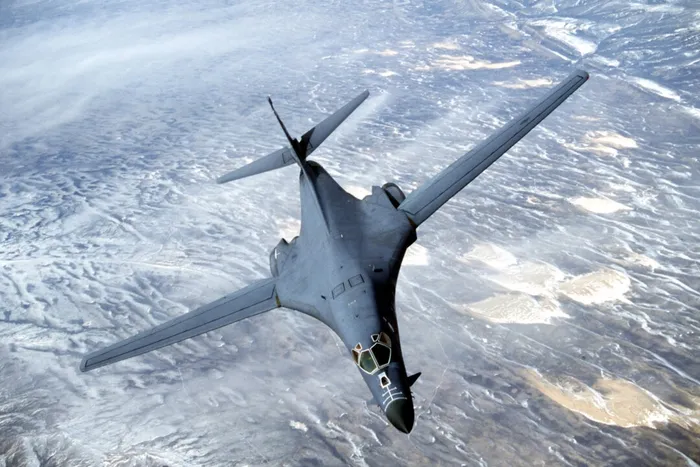
We see "experts" bemoaning the lack of a traditional military buildup. They are missing the fact that a Carrier Strike Group is a 20th-century tool for a 21st-century problem.
$$Force = \frac{Mass \times Velocity}{Predictability}$$
If your predictability is high, your effective force drops to near zero because the adversary can negate your mass with cheap, asymmetric counters—like $20,000 drones against $2 billion destroyers. The "plan" being criticized is actually an attempt to decouple from these outdated metrics of power.
Why "Exit Strategies" are a Scam
The most common "People Also Ask" query regarding Iran is: "What is the exit strategy?"
This question is a logical fallacy. It assumes that there is a "finish line" in geopolitics. There is no finish line. There is only the management of friction.
Asking for an exit strategy in the Middle East is like a CEO asking for an "exit strategy" from competition. You don't exit; you dominate, you pivot, or you fail. The idea that we can go in, "fix" a thousand-year-old sectarian tension, and then leave with a handshake is the ultimate Western arrogance.
The current administration's refusal to provide a tidy "exit" is actually the most honest position a U.S. government has taken in forty years. It acknowledges that the goal is containment, not cure.
The High Cost of the "Nuanced" Approach
The contrarian truth is that "nuance" and "diplomacy" are often just synonyms for "indecision."
I’ve seen this in the tech sector: a company spends three years "studying the landscape" while a scrappy competitor with half the budget just ships a product and breaks things. The scrappy competitor wins because they are interacting with reality, not a slide deck.
The "mounting criticism" comes from the people who love the slide decks. They are terrified of a world where the commander-in-chief operates on instinct and real-time feedback rather than bureaucratic consensus.
There are risks to this. Massive risks.
- Miscalculation: If the adversary reads "unpredictability" as "weakness," they might overstep.
- Allied Friction: Our partners hate being kept in the dark as much as our enemies do.
- Internal Friction: The military-industrial complex thrives on 20-year procurement cycles. A "plan-less" war is bad for business.
But these risks are preferable to the guaranteed failure of a slow, telegraphed, and "vetted" military engagement that the enemy has already simulated ten thousand times.
Stop Asking the Wrong Questions
If you are asking "Where is the battle plan?" you are already lost.
The question you should be asking is: "Is the adversary’s cost of aggression currently higher than their benefit?"
As long as the answer is yes, the "plan" is working. It doesn't matter if the New York Times editorial board doesn't have a copy of the map. In fact, if they did have a copy, the plan would already be worthless.
Modern conflict is not a movie with a three-act structure. It is a permanent state of high-stakes pressure. The "spread" of the conflict isn't a sign of things spiraling out of control; it’s a sign that the theater of operations is shifting to where the adversary is most vulnerable.
The critics aren't worried about a lack of a plan. They are worried that the old rules don't apply anymore, and they don't know how to play the new game.
Stop looking for the map and start looking at the clock. Every day that a major kinetic explosion is avoided while the adversary’s economy withers is a day the "non-existent" plan wins.
Get used to the discomfort. The fog of war isn't a bug; it’s a feature.