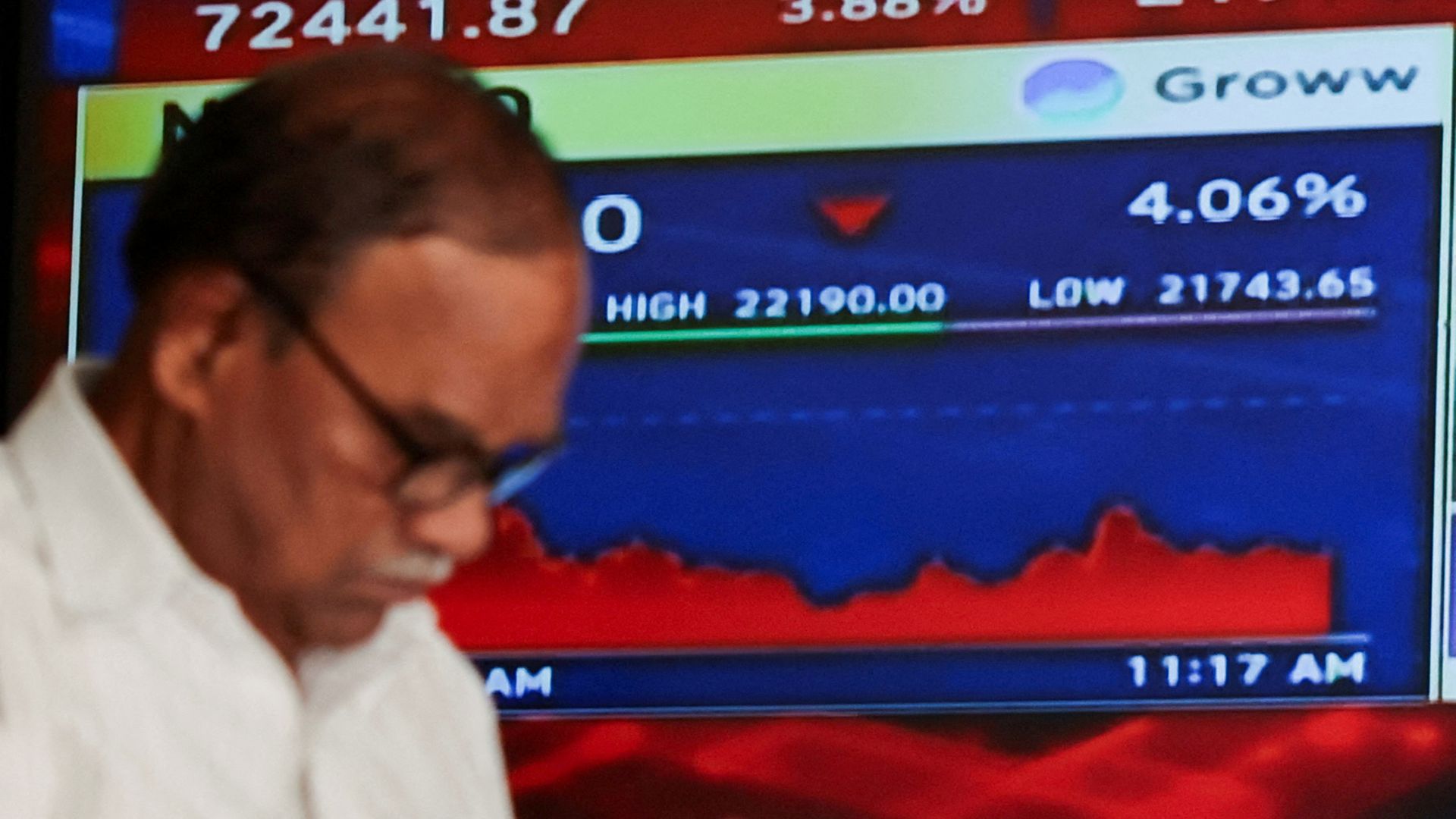
The screen on the trading floor didn’t just flicker; it bled.
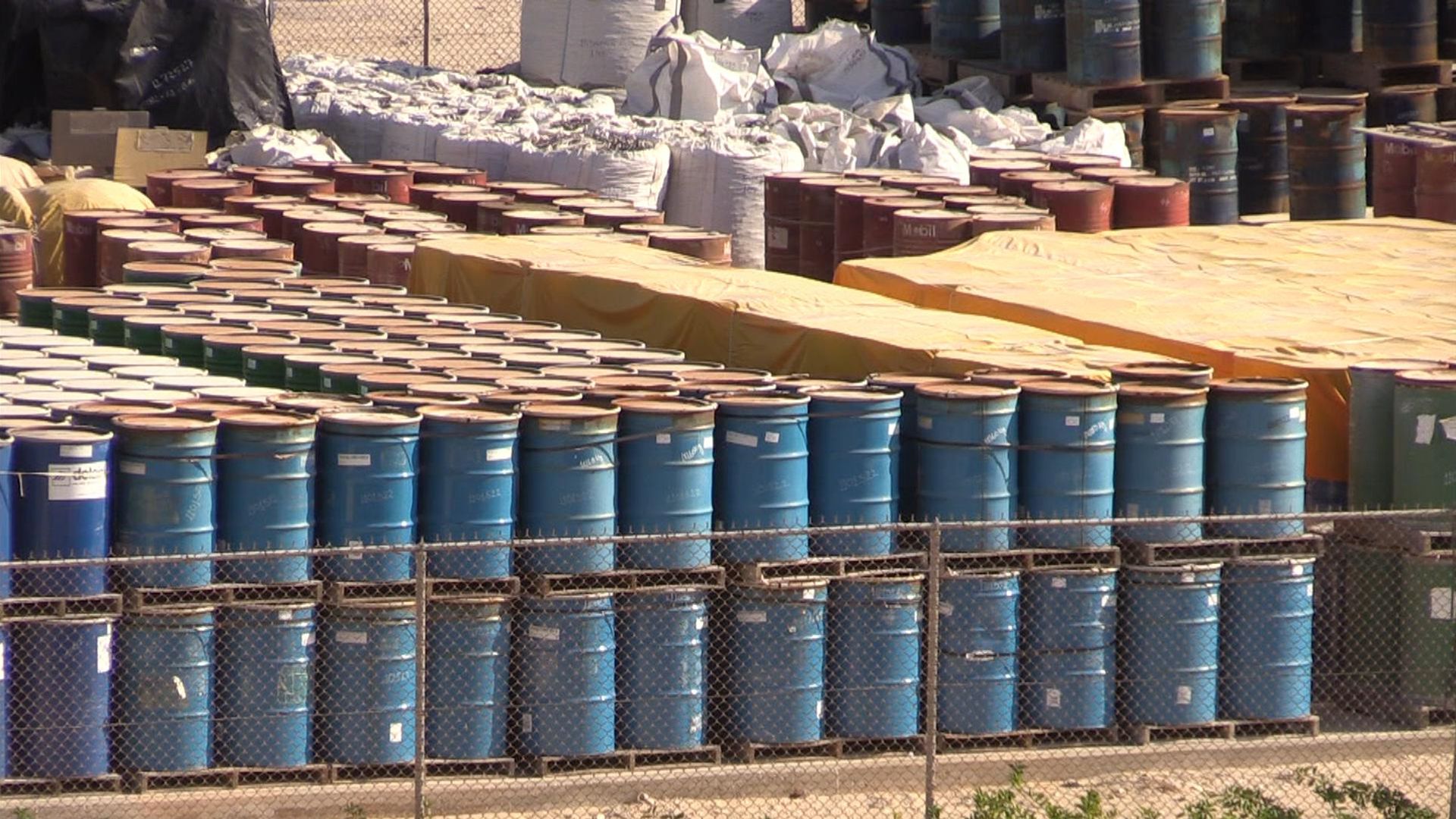
To the casual observer, the numbers looked like any other digital ticker tape, a frantic dance of green and red. But to those whose livelihoods depend on the price of a barrel of West Texas Intermediate, the numbers were screaming. Crude oil had just staged its most violent, one-day surge in over six years. It wasn't a slow climb. It was an explosion.
Imagine a man named Elias. He’s not a billionaire hedge fund manager or a high-ranking official in an OPEC nation. He’s a small-business owner in Ohio who runs a modest fleet of delivery vans. For Elias, oil isn't a "commodity." It’s the lifeblood of his bank account. When he woke up that morning, he saw the headlines about the stock market plunging. He felt a twinge of worry for his modest 401(k), but then he saw the other number. The price of oil had jumped by more than 10% in a single session.
That jump didn't happen in a vacuum. It was the result of a perfect, terrifying storm where the floor of the global economy seemed to give way at the exact moment the ceiling caught fire.
The Great Disconnect
For years, we’ve been told that a healthy stock market and a stable energy sector go hand-in-hand. When companies are doing well, they consume energy, and when energy is affordable, companies do better. It’s a symbiotic relationship. But on this specific day, that logic was fed into a shredder.
As the S&P 500 and the Dow Jones Industrial Average suffered dizzying losses, shedding value as if the very concept of "profit" had become an old-fashioned myth, oil went the other way. This isn't how the script is supposed to be written. Normally, when stocks plunge, it signals a slowdown in demand. People stop buying cars. Factories reduce their shifts. Planes stay on the tarmac. Naturally, oil prices should drop.
But they didn't. They soared.
To understand why, we have to look at the invisible stakes. This wasn't a rally born of optimism; it was a rally born of pure, unadulterated panic. Short-sellers—investors who bet that the price of oil would continue its previous downward slide—found themselves trapped in a corner. When the market didn't behave as they expected, they were forced to buy back their positions at any price to prevent their losses from spiraling into total ruin.
It’s like a group of people standing on a frozen lake, betting that the ice will get thicker. Suddenly, they hear a crack. To save themselves, they all rush for the same small patch of solid ground at the exact same moment. The rush itself creates a chaotic, artificial demand that drives the "price" of that safety through the roof.
The Ripple at the Pump
While the traders in New York and London were sweating through their shirts, the real story was unfolding at places like "Pete’s Corner Gas" in a town you’ve never heard of.
When oil gains 10% in a single day, it sends a shockwave through the entire supply chain. It’s a delayed-release poison. The fuel Elias puts in his vans tomorrow morning will cost more. To cover that cost, he has to charge more for his deliveries. The local grocery store, which relies on Elias to bring in fresh produce, raises the price of a head of lettuce by twenty cents.
The consumer, already spooked by the news of their shrinking retirement accounts, sees that twenty-cent increase and decides to skip the extra treats. They tighten their belts. The economy slows further.
This is the "human-centric" reality of a market "correction." It isn't just about digits on a monitor. It’s about the stress of a parent staring at a gas station sign, calculating whether they can afford the full tank or if they have to gamble on twenty dollars’ worth of fuel to get through the week. It’s about the quiet anxiety that hums in the background of every dinner table conversation when the news cycle turns dark.
The Ghost of 2008
History has a cruel way of repeating its most painful chapters. The last time we saw volatility of this magnitude, the world was teetering on the edge of a global financial collapse. Back then, the fear was that the entire banking system would vanish into the ether.
Today, the fear is more fragmented but equally potent. We are seeing a world where the old rules of "safe havens" are being rewritten in real-time. Gold, bonds, and even the US dollar are behaving in ways that defy traditional economic textbooks.
The surge in oil, while stocks bled out, was a signal. It was a warning that the global supply chain is far more fragile than we care to admit. It’s a reminder that we are still deeply, perhaps dangerously, dependent on a resource that is subject to the whims of geopolitical tensions and the frantic maneuvers of institutional gamblers.
Consider the hypothetical scenario of a sudden shift in policy from a major oil-producing nation. If they decide to tighten the taps just as the stock market is reeling, they aren't just adjusting a price point. They are exerting a form of soft power that can topple governments and redefine the standard of living for millions of people who couldn't tell you the difference between a "spot price" and a "future."
The Psychology of the Plunge
Why do stocks drop so hard when oil spikes? Beyond the obvious costs to business, there is a psychological component that acts as a force multiplier.
Fear is contagious.
When an investor sees the Dow dropping 500 points, they look for a reason. If they see oil prices skyrocketing simultaneously, they see a pincer movement. Their investments are losing value, and their cost of living is about to go up. It’s a double-hit to their sense of security.
In this state of mind, people don't make rational decisions. They make "exit" decisions. They sell. They hoard. They retreat. This retreat is what turns a bad day in the market into a historic plunge. The "biggest one-day gain" in oil wasn't a sign of energy strength; it was a symptom of a feverish, terrified global economy trying to find its pulse.
The Invisible Toll
We often talk about these events in the past tense, as if they are static points on a timeline. "On this day, oil rose, and stocks fell."
But the reality is a lingering vibration. The "one-day gain" of six years ago wasn't just a 24-hour event. It altered the trajectories of small businesses. It changed how families planned their vacations. It influenced which cars people bought and how far they were willing to commute for a better job.
The stakes are invisible because we’ve become numb to them. We see the red arrows and the frantic news anchors and we think, Here we go again. We treat it like the weather—something that happens to us, rather than a system we are part of.
But every time the ground shifts like this, the cracks get a little wider. The distance between the people making the trades and the people paying for the gas becomes more than just a physical gap; it becomes a fundamental misunderstanding of what "value" actually means.
As the sun set on that historic day, the trading floors went quiet. The screens finally stopped their frantic bleeding. But out in the world, in the vans and the grocery stores and the quiet kitchens, the real impact was only just beginning to be felt. The numbers had stopped moving, but the lives attached to them were forever changed.
The next time you see a headline about a "historic gain" or a "record plunge," don't look at the percentage points. Look at the people standing in line at the gas station, their eyes fixed on the rolling numbers of the pump, wondering if the ground under their feet will ever stop moving.