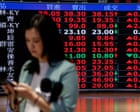
The recent vertical ascent of U.S. crude oil prices, marking the largest weekly percentage gain on record, was not an accident of the market. It was a violent correction. For years, the energy sector operated under the delusion of endless stability, but a perfect convergence of geopolitical aggression and structural neglect has finally broken the dam. While headlines fixate on the sheer speed of the rally, the real story lies in the evaporation of the global safety net that once kept $100-plus oil in the realm of theory.
This record-breaking jump reflects a fundamental shift in how risk is priced. In the past, supply shocks were cushioned by significant spare capacity and a responsive shale industry. Today, those buffers are gone. Wall Street’s demand for capital discipline has replaced the "drill, baby, drill" mantra, leaving the world’s most critical commodity vulnerable to the slightest tremor in global stability. When a major producer is sidelined or threatened, there is no longer a cavalry waiting to flood the market with cheap barrels.
The Illusion of the Strategic Reserve
Governments have long treated the Strategic Petroleum Reserve (SPR) as a political thermostat. When prices get too high, they open the taps to soothe voters. This strategy is currently hitting a wall of diminishing returns. The math is simple and unforgiving. By depleting reserves during periods of moderate stress, policymakers have left the cupboard bare for a true emergency.
Traders see this exhaustion. They know that every barrel released today is a barrel that must be bought back tomorrow, creating a floor for high prices rather than a ceiling. The record weekly jump was fueled, in part, by the realization that the federal government has run out of easy levers to pull. The market is no longer afraid of the SPR because the market knows how much is left in the tank.
The Broken Shale Spring
For a decade, American shale was the global swing producer. If prices rose, Texas and North Dakota could bring new supply online in months. That mechanism has stalled. It isn’t a lack of oil in the ground; it is a lack of will in the boardroom. Investors, burned by a decade of poor returns, now demand dividends and buybacks over production growth.
This shift in corporate priority has turned U.S. crude into a lagging indicator rather than a leading one. Even with prices screaming higher, the rig count remains stubbornly flat compared to previous cycles. Labor shortages, equipment scarcity, and an increasingly hostile regulatory environment have made it nearly impossible to "turn on the taps" with the speed the market now requires.
Geopolitics as a Permanent Tax
We are entering an era where a "war premium" is a permanent fixture of the price per barrel. The record weekly spike was triggered by specific events, but it is sustained by a broader breakdown in international cooperation. When the world’s energy map is redrawn by sanctions and blockades, the efficiency of the global supply chain dies.
Moving oil from point A to point B now involves longer routes, more expensive insurance, and a complex web of shadow fleets. These aren't temporary inconveniences. They are structural costs that are being baked into the price of every gallon of gasoline. The "just-in-time" delivery model for energy is dead, replaced by a "just-in-case" model that requires higher inventories and, consequently, higher prices.
The Refining Bottleneck
Crude oil is useless if you cannot cook it. While the world focuses on the price of a barrel of West Texas Intermediate (WTI), the real crisis is in refining capacity. In North America and Europe, refineries are closing or being converted to biofuels at a time when traditional fuel demand remains at near-peak levels.
This creates a "crack spread" disconnect. Even if crude prices were to stabilize, the cost of finished products like diesel and jet fuel could continue to climb because the machinery to produce them is at its absolute limit. During the record-breaking week, the panic wasn't just about getting the oil; it was about the terrifying realization that our infrastructure cannot handle sudden shifts in crude quality or origin.
The Speculative Feedback Loop
Markets do not just react to news; they anticipate the reaction of others. When the price of oil broke through key technical resistance levels during its record run, it triggered a cascade of automated buying. Hedge funds and algorithmic traders, sensing the momentum, piled into long positions, effectively pouring gasoline on an already raging fire.
This is the volatility trap. Higher prices lead to higher margin calls, which forces some players out and attracts more aggressive speculators. The result is a price discovery process that feels more like a riot than an auction. For the average consumer, this translates to a pump price that rises like a rocket and falls like a feather.
A Failure of Diplomacy
The relationship between the U.S. and traditional energy allies has soured. The days when a phone call to Riyadh could stabilize the market are over. Emerging power blocs are now prioritizing their own internal stability and regional influence over the health of the global economy. This loss of diplomatic leverage means that the U.S. is more exposed to market forces than at any point since the 1970s.
Energy independence was always a bit of a myth. Even if the U.S. produces more than it consumes, oil is a global fungible commodity. If a refinery in South Korea is willing to pay more for a barrel of Texas crude than a refinery in Louisiana, that oil is going overseas. The record weekly jump proved that we are still very much tethered to the whims of global despots and distant conflicts.
The True Cost of the Transition
The push toward green energy is necessary, but the execution has been chaotic. By signaling the end of the internal combustion engine, governments have discouraged the very long-term investment needed to keep the current system running smoothly. We are in a dangerous "in-between" phase where the old energy system is being dismantled before the new one is ready to carry the full load.
Capital is fleeing the traditional oil patch, not because the oil is gone, but because the "social license" to produce it is expiring. This creates a supply-demand mismatch that will manifest in more frequent and more violent price spikes. The record jump we just witnessed is likely a preview, not an anomaly.
Hard Truths for the Consumer
High oil prices are the most effective regressive tax in existence. They hit the poorest hardest, inflating the cost of everything from groceries to heating. There is no quick fix. Suspending gas taxes or yelling at oil company CEOs provides good theater, but it does nothing to address the 3-million-barrel-per-day deficit that looms over the market.
Survival in this new reality requires a cold-blooded assessment of energy security. For businesses, it means hedging fuel costs years in advance. For individuals, it means accepting that the era of cheap, reliable energy was a historical fluke, not a birthright.
The market has sent a clear signal. The massive weekly jump was a warning that the buffers are gone and the margin for error is zero. We are now operating in a world where the floor for oil is significantly higher than it was just three years ago, and the ceiling is nowhere in sight.
Stop looking at the record books for comfort. The past is no longer a reliable guide for a market that has lost its equilibrium. Evaluate your exposure to energy costs now, because the next record-breaking week is already being written by the supply-side neglect of the last decade.