The British government just pulled the plug on a blanket social media ban for under-16s. If you’re a parent feeling like you’ve been left to fight a digital wildfire with a garden hose, you aren't alone. On March 9, 2026, MPs in the House of Commons rejected a hard ban that would've made the UK the second country after Australia to legally block teens from apps like TikTok and Instagram.
It wasn't a close call for the lobbyists, but it's a massive blow to campaigners like Esther Ghey, who’s been fighting for this since the murder of her daughter, Brianna. The vote ended 307 to 173. Instead of a hard "no entry" sign for kids, the government opted for a strategy that basically says, "We’ll give ourselves the power to do something later if the tech giants don't behave." You might also find this related story useful: South Korea Maps Are Not Broken And Google Does Not Need To Fix Them.
Honestly, it feels like a classic case of kicking the can down the road. But there's more to the story than just political stalling.
The Logic Behind the Rejection
You might wonder why any sane politician would vote against protecting kids from the toxic sludge often found in social feeds. The government's argument is that a total ban is a "blunt instrument." They're worried that if you kick every 15-year-old off TikTok, they’ll just migrate to the darker, unmoderated corners of the web where no one is even pretending to look out for them. As highlighted in latest coverage by MIT Technology Review, the effects are significant.
The NSPCC and other children’s charities actually backed this logic. They argue that a ban treats the symptoms rather than the disease. If you ban the app, you don't fix the algorithm that’s designed to keep a child scrolling until 3:00 AM.
Instead of the ban, Tech Secretary Liz Kendall is pushing for "flexible powers." This is basically a legal threat hanging over Silicon Valley. The government wants the ability to:
- Turn off addictive features like infinite scroll and autoplay for minors.
- Raise the digital age of consent (currently 13).
- Fine companies into the ground if they can't prove their age-gating actually works.
Ofcom is Finally Growing Teeth
If you think the tech giants are off the hook, think again. Within 24 hours of the vote, Ofcom and the Information Commissioner's Office (ICO) sent out a "fix it now" letter to Meta, TikTok, Snapchat, and Google. They’ve given these companies until the end of April 2026 to explain exactly how they’re going to stop 8-year-olds from lying about their birthday.
Ofcom’s latest research is pretty damning. It shows that 72% of children aged 8 to 12 are already on platforms that technically require them to be 13. The "I am 18" button is a joke, and the regulators know it.
The End of Product Testing on Kids
One of the most aggressive moves from Ofcom is the demand to end "product testing on children." For years, these apps have rolled out new AI features and "streaks" to see what sticks—often using your kids as the lab rats. The new mandate requires platforms to prove an update is safe before it hits a child’s phone. If they don't, they face massive fines under the Online Safety Act.
Schools Aren't Waiting for Westminster
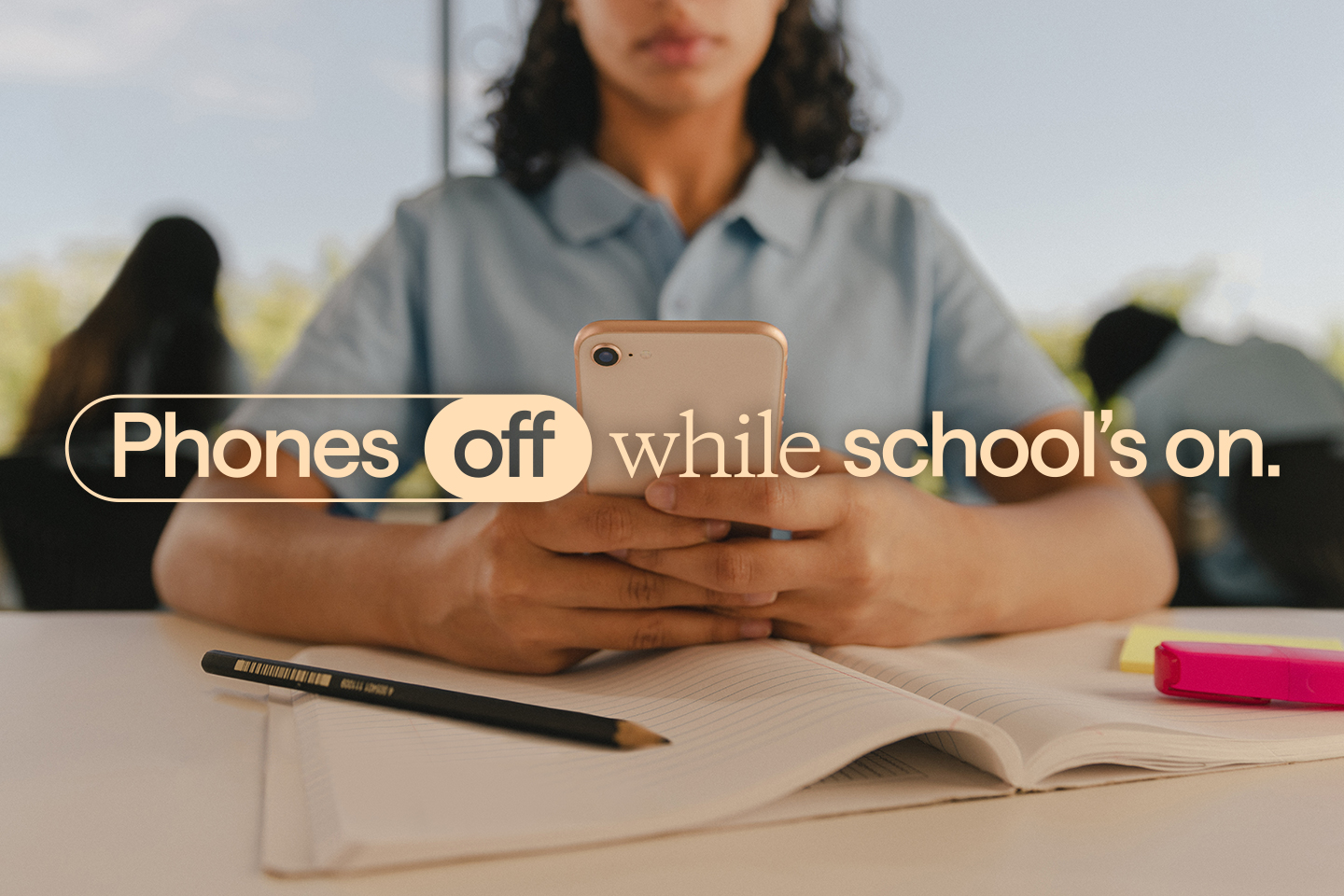
While Parliament debates the fine print, the Department for Education has already moved. Since January 2026, the guidance has been clear: schools should be mobile-free environments by default. This isn't just a suggestion anymore. Ofsted is now checking school phone policies during every single inspection.
If a school is failing to keep phones out of the classroom, it's going to hit their rating. It’s a "postcode lottery" fix. Before, your kid's focus depended on how strict their headteacher felt like being. Now, there’s a national standard, even if it isn't a "statutory ban" yet.
What Parents Can Actually Do
The big takeaway from this week isn't that the government doesn't care—it's that they don't think they can legally enforce a total ban without breaking the internet. That leaves the heavy lifting on you. Here is the reality of what works right now:
- Stop relying on the app's settings. Use hardware-level controls like Apple’s Screen Time or Google Family Link. These are much harder for a tech-savvy teen to bypass than the settings inside the TikTok app itself.
- Demand Age Assurance. Ofcom is pushing for "highly effective age assurance." This means things like facial age estimation (which doesn't store your photo) or digital ID. When an app asks for this, don't view it as a privacy invasion; view it as the gatekeeper finally doing its job.
- The "Wait Until 16" Movement. Even without a law, thousands of parents are signing pacts to delay getting their kids smartphones. There is power in numbers. If the whole friend group doesn't have a phone, the "fear of missing out" disappears.
The government consultation on this ends on May 26, 2026. If you have strong feelings about the digital age of consent or addictive algorithms, you can still submit your views directly to the Department for Science, Innovation and Technology.
Don't wait for a law to change your home environment. The platforms are built to be addictive, and the UK government just decided that for now, the "off" switch is still in your hands. Check your child’s screen time reports tonight and look for the "limit" button. It’s the only ban that’s actually guaranteed to work right now.