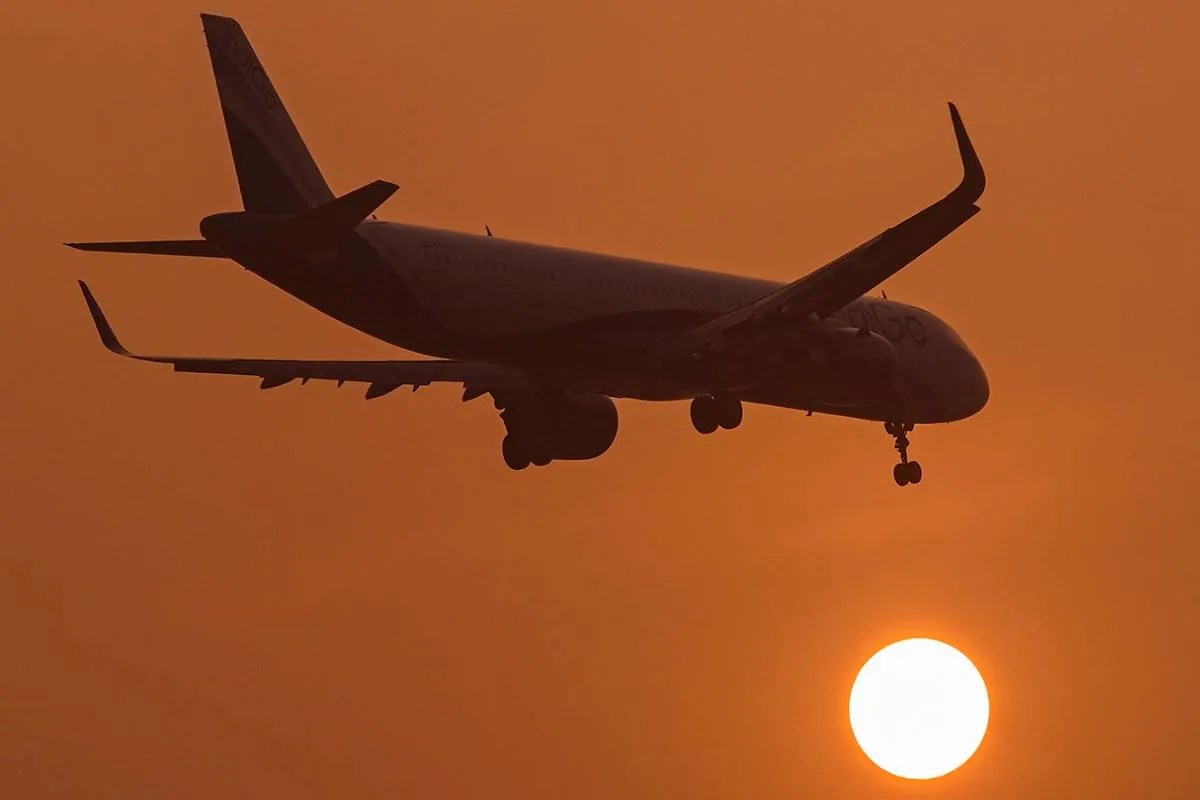
Air travel to the Middle East just became a massive headache for thousands of Indian passengers. If you've got a ticket to Tel Aviv, Amman, or even certain Gulf hubs, you’re likely staring at a "Flight Cancelled" notification. It’s a mess. The escalating tensions in the region have forced Indian carriers like SpiceJet and IndiGo to pull the plug on several key routes, citing safety as the only priority. This isn't just about a few delayed planes. It’s a logistical nightmare that’s hitting travelers right in the wallet and the schedule.
You might think these airlines are just being overly cautious, but they don't have a choice. When the airspace over a conflict zone becomes unpredictable, the risk to human life outweighs any profit margin. What's more interesting is how these two budget giants are handling the fallout. Instead of leaving everyone stranded with a shrug, they’ve started rolling out relief packages. These aren't just polite apologies. They're actual attempts to stop a PR disaster from turning into a total collapse of passenger trust.
The Reality of Airspace Closures and Security Risks
Airlines hate canceling flights. It costs them millions in fuel, parking fees, and lost revenue. When IndiGo decides to suspend its operations to destinations near the conflict zone, it's a signal that the situation is genuinely volatile. It’s not just about the destination airport; it’s about the flight path. Modern jetliners can’t just "fly around" a war zone without massive planning. Avoiding certain territories means longer routes, more fuel, and often, technical stops that the planes weren't originally scheduled for.
SpiceJet is in a similar boat. They’ve had their share of financial struggles lately, and the last thing they needed was a geopolitical crisis. Yet, they’ve moved to cancel flights to ensure they aren't caught in the crossfire of shifting "No-Fly" zones. For the average traveler, this means your direct four-hour hop could turn into a twelve-hour odyssey with two layovers, or simply a dead end at the check-in counter.
What the Relief Packages Actually Offer
Let’s be honest about "relief packages." Usually, they’re just a fancy way of saying "we’ll give you your money back eventually." But this time, there's a bit more urgency. Both IndiGo and SpiceJet have realized that stranded passengers in foreign airports are a recipe for a social media firestorm.
The current offers generally include a full refund without the usual soul-crushing cancellation fees. Some passengers are being offered "one-time rescheduling" at no extra cost. This sounds great on paper, but the catch is always availability. If the next flight isn't for three days, you're still stuck paying for a hotel. Some reports suggest the airlines are working with partner hotels to provide discounted stays, but don't expect a five-star suite on the house. You have to be proactive. If you're sitting at the gate, don't wait for them to call your name. Get on the app or find a representative immediately.
Breaking Down the Refund Process
Getting your money back from an airline is usually like pulling teeth. However, because these cancellations are due to "extraordinary circumstances," the rules shift slightly.
- Direct Bookings: If you booked through the official website, your refund should be "automatic," but check your email for a confirmation link.
- Third-Party Apps: This is where it gets messy. If you used a travel portal, the airline sends the money to them, not you. You'll have to chase the portal.
- The Voucher Trap: Sometimes they’ll offer a credit shell or a voucher. Unless you plan on flying the exact same route in the next month, demand the cash. You have a right to your original payment method when the airline cancels the flight.
Navigating the Middle East Flight Chaos
If you're currently holding a ticket, you need to act now. Don't assume your flight is "fine" just because you haven't received a text. The situation in the Middle East changes hourly. Airspace that was open at breakfast might be closed by lunch.
Check the flight status on independent tracking sites, not just the airline’s own portal. Sometimes their internal systems lag behind the actual air traffic control updates. If you see your flight number has been "Redirected" or "Delayed" multiple times, it’s a bad sign. It usually precedes a total cancellation.
Reach out to the airline's social media teams. Surprisingly, the people running the X (formerly Twitter) accounts often have more up-to-date info than the folks at the local airport desk who are dealing with five hundred angry people at once. Keep your PNR handy and be firm but polite.
Why You Should Reconsider Travel Right Now
Even if a flight is still scheduled, ask yourself if you really need to go. Beyond the risk of being stranded, travel insurance often has "war and civil unrest" exclusions. If things take a turn for the worse while you're on the ground, your standard policy might not cover an emergency evacuation or a sudden hospital stay.
I’ve seen travelers get stuck in transit hubs for forty-eight hours because they thought they could "beat the system" and fly through a secondary city. It’s rarely worth it. The stress of watching the news while sitting in an airport lounge is a special kind of hell. If your airline offers a full refund, take it. Rebook when the dust settles.
Proactive Steps for Affected Passengers
If your flight was officially canceled by SpiceJet or IndiGo, don't just sit there. Start the documentation process. Take screenshots of the cancellation notice. Keep receipts for any "incidental expenses" like airport meals or transit hotels. Even if the airline says they won't pay for them now, you might need those records for a future insurance claim or a consumer forum complaint.
Check your credit card benefits too. Many premium cards in India offer "Trip Delay" or "Trip Interruption" coverage that kicks in after a certain number of hours. This can sometimes be more reliable than the airline's own relief package. You might be eligible for a few thousand rupees to cover a decent meal and a clean bed while you wait for the next update.
Move your travel dates if you can. The peak of a crisis is the worst time to try and navigate an airport. If the airline is offering a free date change, push your trip back by at least two weeks. This gives the carriers time to stabilize their schedules and gives you a much better chance of actually reaching your destination without a mid-air U-turn. Log into your airline account, navigate to the "Manage Booking" section, and look for the specific "Middle East Advisory" link. Most of the time, the automated systems are now set up to handle these changes without you having to wait on hold for three hours. Take the refund, stay home, and let the situation stabilize before you try to cross those borders again.