The Monday Morning Myth
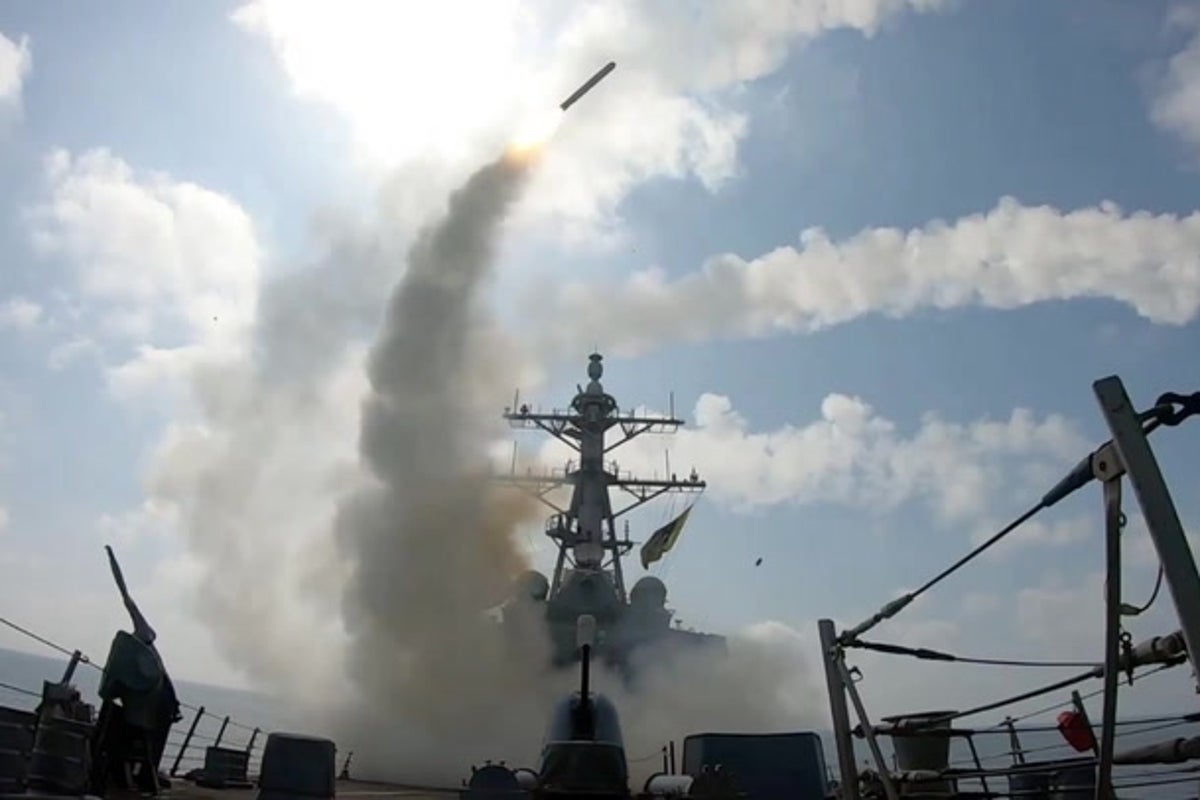
The financial press loves a good war story. Over the weekend, the narrative machine cranked out a familiar script: Iran is escalating, the Middle East is a tinderbox, and silver prices are about to "ignite" on Monday morning. They want you to believe that geopolitical chaos is the ultimate fuel for precious metals. They are wrong.
If you are bracing for a "manic" rally based on headlines out of Tehran, you are likely the liquidity that smarter institutional players use to exit their positions. I have watched retail traders chase these geopolitical "spikes" for two decades, only to be left holding the bag when the Sunday night gap-up is sold into by 10:00 AM.
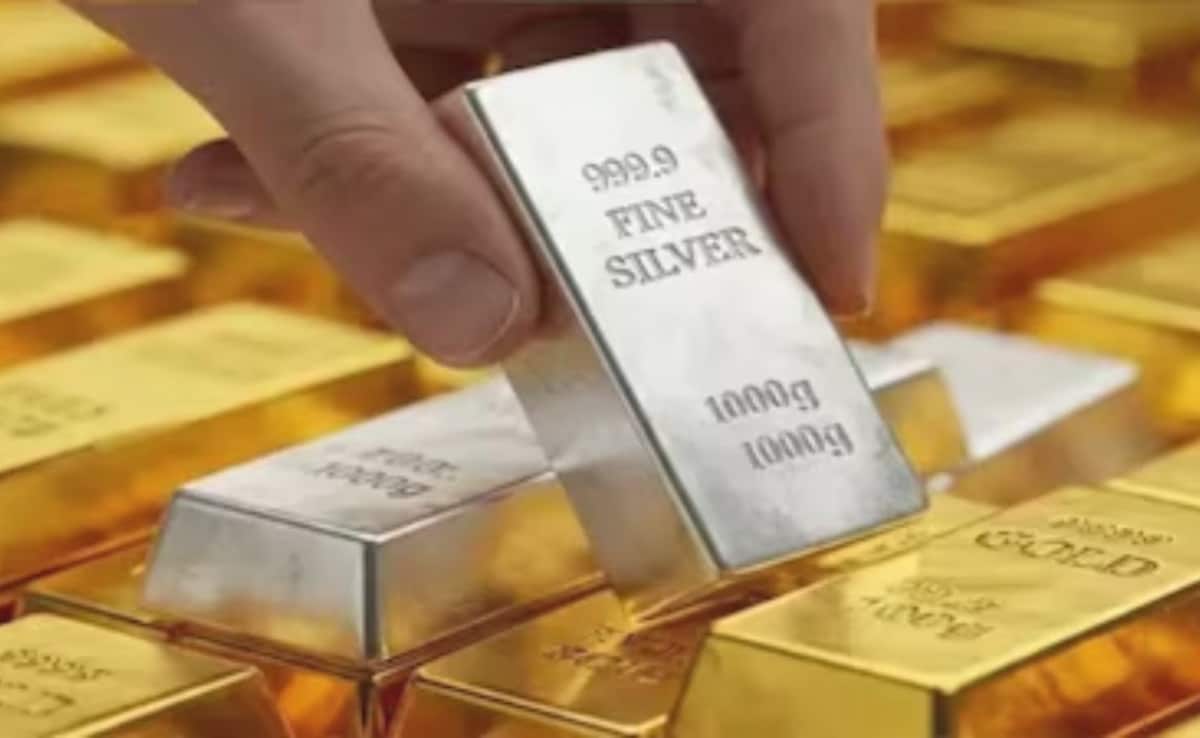
Geopolitics is a distraction. Silver isn't a "fear" trade; it is a supply-chain and industrial necessity masquerading as a currency. If you want to understand where the price is going, stop looking at drone footage and start looking at the photovoltaic manufacturing bottlenecks in Ningbo.
The Mirage of the Geopolitical Premium
Let’s dismantle the "Safe Haven" fallacy. Gold is a safe haven. Silver is gold’s erratic, high-beta cousin that frequently crashes during liquidity events. When real panic hits the market—the kind of panic that causes margin calls across the S&P 500—investors sell what they can, not what they want. Silver, being a smaller, less liquid market than gold, often gets sold first to cover losses elsewhere.
Think back to the 2020 crash or even the initial shocks of 2022. Silver didn't moon. It cratered. The "Geopolitical Premium" is usually priced in within the first twelve minutes of the Globex open. By the time you’ve finished your morning coffee and read the "Manic Monday" headline, the smart money has already placed its bets and is looking for an exit.
- The Gap and Crap: This is the classic pattern where prices open significantly higher on news, only to drift lower all day as the initial shock wears off.
- The USD Dominance: War usually drives a flight to the US Dollar. A surging DXY (Dollar Index) is a massive headwind for dollar-denominated silver.
- Paper vs. Physical: The COMEX (Commodity Exchange) is a paper market. It doesn't care about your physical coins. It cares about interest rates and the cost of carry.
Silver is an Industrial Slave, Not a War Hero
The "Manic Monday" crowd ignores the fact that nearly 50% of silver demand is industrial. In a scenario where Iran and Israel engage in a direct, sustained conflict, global shipping costs skyrocket and energy prices spike. This isn't "good" for silver. It’s a tax on the very industries—solar energy, electronics, and automotive—that actually consume the metal.
If a conflict leads to a global slowdown, industrial demand for silver drops. You cannot run a silver rally on "fear" alone if the factories in China and Germany are scaling back production due to $120 oil.
"Silver is essentially a industrial commodity that happens to have a monetary history. To treat it as a pure geopolitical hedge is to ignore the $Ag$ reality of its balance sheet."
The real story isn't the missiles. The real story is the silver deficit.
The Deficit is Real, the Catalyst is Wrong
The Silver Institute has reported a physical deficit for several consecutive years. We are consuming more silver than we mine. That is a verifiable, structural fact. However, the market can stay irrational longer than you can stay solvent. These deficits are often covered by drawing down transparent exchange stocks (like the LBMA and COMEX vaults).
The "lazy consensus" says a war in the Middle East will finally break the COMEX. It won't. What will break the COMEX is a massive, sustained shift in solar panel efficiency or a breakthrough in silver-zinc battery technology that makes physical delivery a life-or-death necessity for tech giants.
If you’re buying silver because you think Iran is going to "set prices on fire," you’re gambling on a headline. If you’re buying because the global electrical grid is being rebuilt with silver-heavy components while mining output is stagnating in Mexico and Peru, you’re actually investing.
Stop Asking if Silver Will Pop
People often ask: "Will silver hit $50 this week because of the war?" This is the wrong question. The right question is: "Is the current paper-to-physical ratio sustainable in an era of deglobalization?"
The answer is no, but the timeline isn't "Monday."
Investors who "brace for Manic Monday" are usually looking for a quick fix—a 10% jump they can brag about. But silver is a marathon of pain. It is designed to shake out the weak hands. The market knows you are watching the news. It knows you are emotional. It will use that against you.
Tactical Reality Check:
- Avoid the Sunday Open: Spreads are wide, and volatility is artificial.
- Watch the Gold-Silver Ratio (GSR): If silver is outperforming gold during a crisis, it’s a speculative blow-off top. If gold leads and silver lags, the move might have legs.
- Focus on the 200-Day Moving Average: Most of these "war spikes" fail to hold above key technical levels once the initial adrenaline fades.
The Bull Case Nobody is Talking About
The real reason to own silver has nothing to do with Iran. It has to do with the devaluation of every fiat currency on the planet. While you’re distracted by the geopolitical theater, central banks are printing the very "fire" that will eventually consume the purchasing power of your savings.
Silver isn't going up because of a regional conflict. It’s going up because the denominator—the Dollar, the Euro, the Yen—is being systematically destroyed.
Imagine a scenario where the Middle East goes quiet tomorrow. The headlines vanish. The "Manic Monday" traders sell their positions in a huff. The price drops 5%. That is when the real buyers enter. They aren't looking at Tehran. They are looking at the $34 trillion US national debt and the fact that you can't build a "green" economy without digging a hole in the ground.
The Professional Strategy
If you want to play this market, stop being a headline junkie. The "industry insiders" who actually make money in silver aren't "bracing" for anything on Monday. They have been accumulating for months when the news was boring and the price was flat.
The crowd is almost always wrong about the timing and the reason for a move, even if they get the direction right eventually. Iran is a sideshow. The real fire is the slow, steady burn of industrial depletion and monetary debasement.
Ignore the manic headlines. Let the amateurs chase the gap. Wait for the inevitable "peace" headline to drop the price back to the moving average, and then buy the metal from the people who were "braced" for a moonshot that never came.
Don't buy the war. Buy the math.