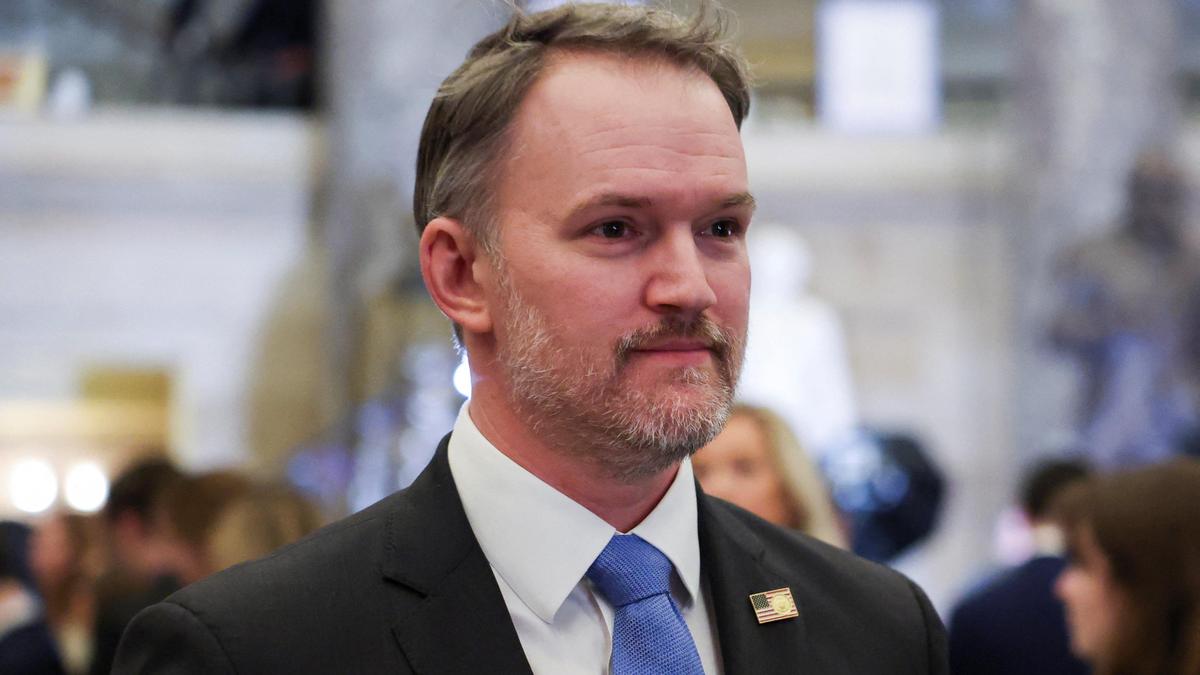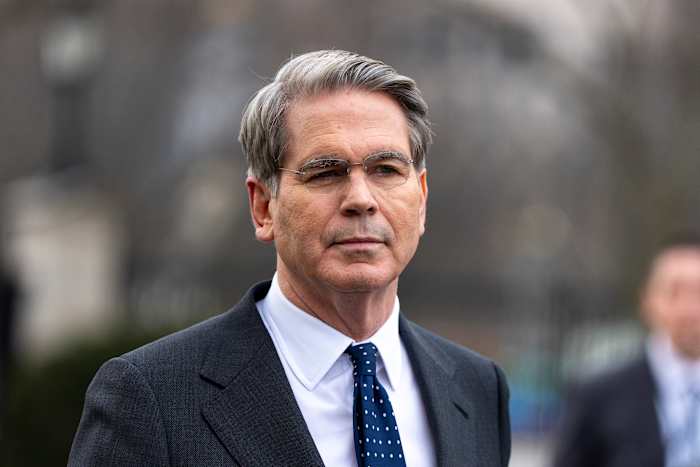
U.S. Treasury Secretary Scott Bessent and Trade Representative Jamieson Greer will touch down in Paris this Sunday to meet Chinese Vice Premier He Lifeng for a two-day marathon of closed-door negotiations. Ostensibly, the goal is to finalize the agenda for President Donald Trump’s state visit to Beijing on March 31. But the urgency of this meeting, coming just days after a Supreme Court ruling gutted the administration's previous tariff strategy, suggests a much more desperate scramble. Washington isn't just preparing a guest list; it is trying to rebuild its primary economic weapon from the ground up before the President lands in China.
The "Busan Truce" of late 2025—which brought triple-digit tariffs down to a temporary 10% to 20% range—is expiring, and the legal ground beneath it has vanished. By meeting in a neutral European capital, both sides are signaling that the stakes are too high for the usual theatrical posturing.
The Supreme Court Sucker Punch
For months, the Trump administration relied on emergency powers to enforce a sweeping global tariff regime. That changed last week when the Supreme Court struck down those duties, ruling they exceeded executive authority. This has left the U.S. delegation in a precarious position.
Bessent and Greer are now operating under a new, less tested 10% tariff framework aimed at addressing "balance of payments" issues. It is a narrower legal needle to thread. The Chinese side knows this. Vice Premier He Lifeng arrives in Paris holding a stronger hand than he had in Geneva or London earlier this year. Beijing’s recent threat of a "trade investigation" into 16 partners, including the U.S., is a clear warning shot. They aren't just looking for peace; they are looking for concessions while the American legal framework is in flux.
The Soybean and Boeing Barter
To keep the peace, the White House needs a "win" that resonates in the Midwest and the Pacific Northwest. Trump has already telegraphed his demands on social media, suggesting China should increase its annual soybean purchases to 20 million tons.
- Agricultural Leverage: China needs U.S. soybeans to stabilize its domestic meat prices, but it has increasingly looked to Brazil to fill the gap. Bessent’s task is to convince Beijing to pivot back to American farmers.
- Aerospace Deadlock: Boeing hasn't seen a major order from China in nearly eight years. A commitment for a new fleet of Dreamliners would be a massive political gift for Trump to carry into Beijing, but the Chinese have historically used aircraft orders as a reward for geopolitical compliance.
Shadow of the Iranian Conflict
The Paris talks are happening against a backdrop of escalating military tension in the Middle East. Recent U.S. strikes against Iranian targets have complicated the dialogue, as Beijing remains a primary consumer of Iranian oil. Normally, such a conflict would freeze high-level diplomacy.
The fact that these talks are proceeding shows a rare moment of pragmatism. Both nations are currently dealing with internal economic pressures—inflation in the U.S. and a cooling property market in China—that make a full-scale trade war resurgence unpalatable. If the Strait of Hormuz closes, as some analysts fear, the ensuing energy spike would make current tariff disputes look like a rounding error. Bessent and He are essentially trying to build an economic firebreak before the regional conflict spreads.
Moving the Deficit Needle
Jamieson Greer has been vocal about his goal to bring the U.S. trade deficit with China even lower. It hit a 20-year low of $202 billion in 2025, down from a peak of over $400 billion. The administration sees this as proof of concept. However, maintaining that downward trend without the "big stick" of emergency tariffs requires a more surgical approach.
The U.S. is now pushing for "structured joint ventures" and better licensing deals for American tech firms. They want deep, structural changes in how China handles intellectual property, a demand that has derailed every negotiation since 2018. If Paris fails to produce a framework for these issues, the Beijing summit will likely be little more than a photo opportunity with no lasting substance.
The Quiet Power of Neutral Ground
Choosing Paris isn't accidental. It allows both teams to escape the domestic political pressure cookers of their respective capitals. In Washington, every move Bessent makes is scrutinized by hawks who view any deal as a retreat. In Beijing, He Lifeng must answer to a leadership that cannot afford to look weak in the face of American "investigations."
France provides a venue where "mutual respect"—a phrase Bessent has used repeatedly this week—can be performed away from the cameras. But respect doesn't pay the bills. If the U.S. cannot provide a legally sound path for its new tariff policy, or if China refuses to commit to the 20-million-ton soybean threshold, the Paris meeting will be remembered as the moment the Busan Truce finally collapsed.
Watch for the joint statement on Monday evening. If it mentions "specific purchase commitments" or "technical cooperation on balance of payments," the Beijing summit is on track. If it remains vague, focusing only on "mutual understanding" and "continued dialogue," then the wheels are already coming off the wagon.
Ask yourself why a Treasury Secretary and a Trade Representative are meeting on a Sunday in a foreign country. They aren't there for the coffee. They are there because the clock is ticking, and the President is about to land in a city where he cannot afford to leave empty-handed.