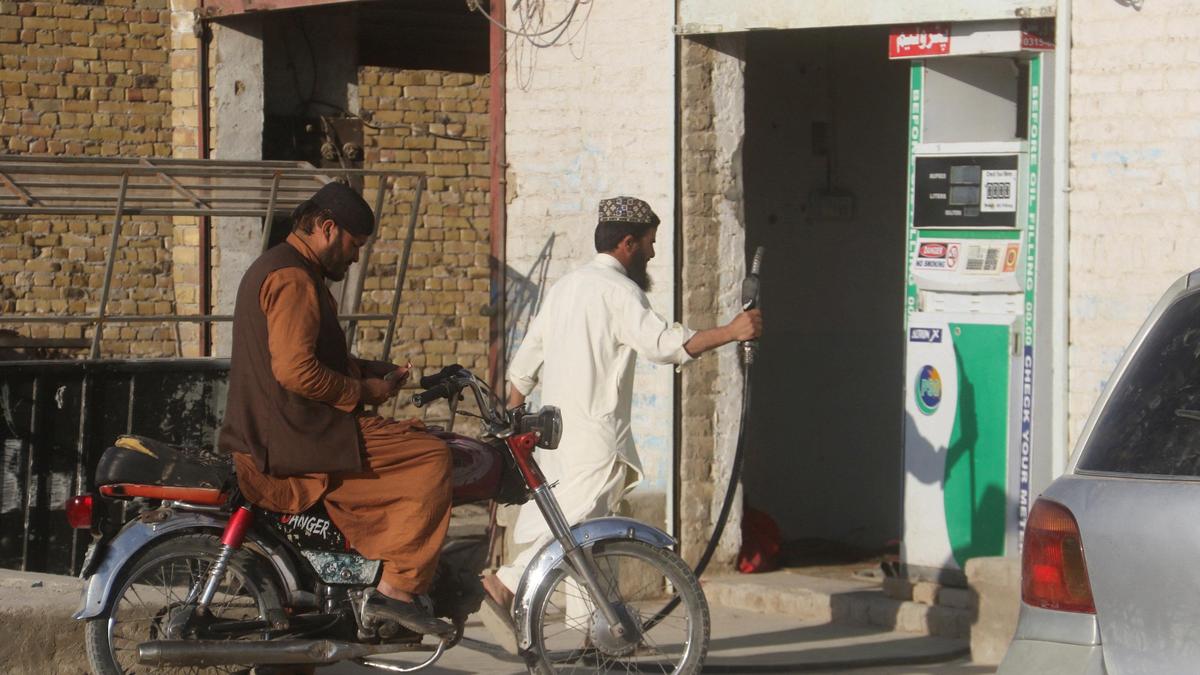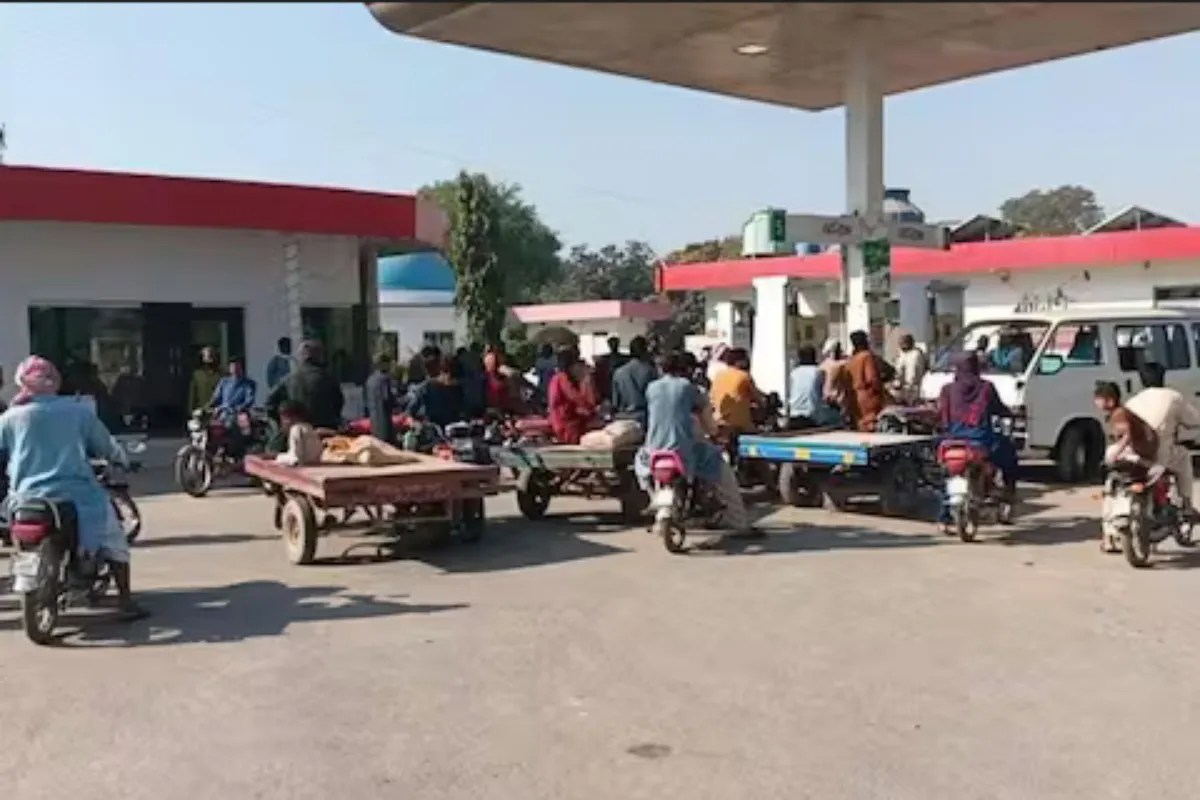
The headlines are screaming about empty gas stations in Lahore and Islamabad. They are obsessing over the logistics of "Work From Home" orders. They are painting a picture of a sudden, freak supply chain accident.
They are dead wrong. Learn more on a related subject: this related article.
What we are witnessing in Pakistan isn't a "shortage" in the traditional sense. It is a mathematical inevitability. When a country’s currency is in a freefall and its foreign exchange reserves are thinner than a budget hotel towel, the oil doesn’t just stop flowing because of bad luck. It stops because the credit lines are dead. The "Work From Home" mandates being floated by the government aren't a clever digital pivot; they are a desperate, white-flag admission that the state can no longer afford the basic friction of a functioning economy.
The Myth of the Hoarding Wholesaler
The lazy consensus blames "hoarders" and "black marketers" for the dry pumps. It’s an easy trope for politicians to lean on because it gives the public a villain to hate. But if you’ve spent any time looking at the balance sheets of Oil Marketing Companies (OMCs), you’d know they aren't sitting on piles of gold. They are drowning in circular debt. More reporting by Financial Times explores comparable views on the subject.
In Pakistan, the energy sector operates on a house of cards known as the Price Differential Claims (PDC). The government tells companies to sell fuel at a price lower than the cost of importing it, promising to pay back the difference later. Spoiler: "later" rarely comes. When the state owes billions to the people responsible for keeping the lights on, those people eventually run out of cash to buy the next shipment.
You can't "hoard" what you can't afford to buy in the first place. The dry pumps are a direct result of a broken pricing mechanism that treats global commodities like a local charity.
Why Work From Home Is a False Prophet
The push for remote work to save fuel is a classic example of "fixing" the symptom while the patient bleeds out. On paper, it looks logical. Fewer cars on the road equals less petrol consumed.
But here is the nuance the mainstream analysts missed: Pakistan’s power grid is heavily dependent on the very same fuels the cars are using. When people stay home, they turn on air conditioners. They run heaters. They use high-bandwidth internet powered by data centers that require massive cooling and backup power.
We aren't "saving" energy; we are just shifting the load from the transport sector to an already collapsing power sector. If the government can't afford the Letters of Credit (LCs) for petrol, they certainly can't afford them for the RLNG or furnace oil needed to keep the grid stable for those home offices. You can’t Zoom your way out of a balance-of-payments crisis.
The Lethal Physics of the LC Crisis
To understand why the fuel is gone, you have to understand the Letter of Credit. In international trade, an LC is a guarantee from a bank that a seller will receive payment.
Currently, Pakistani banks are hesitant to open LCs for oil imports because they don't have the US Dollars to back them up. If an importer wants to bring in a cargo of petrol, they need to prove they can pay in Greenbacks. When the central bank’s reserves are hovering near a few weeks' worth of imports, the local banks panic.
I have seen similar spirals in other emerging markets. Once the international suppliers realize your bank's guarantee is worth as much as a used napkin, they stop the tankers mid-ocean. They divert to buyers who have hard currency. Pakistan isn't at the back of the line; it’s being kicked out of the theater entirely.
The Cost of Artificial Stability
For years, the Pakistani Rupee was kept artificially high through heavy-handed intervention. This made imports look "cheap" while gutting local productivity and exports. Now, the bill has come due.
$$Exchange\ Rate = \frac{Supply_{USD}}{Demand_{USD}}$$
When the denominator skyrockets because you produce nothing the world wants to buy, and the numerator shrinks because your donors are tired of the drama, the price of petrol in local terms must explode. Any attempt to cap that price manually results in the exact shortages we see today.
The Brutal Truth About Subsidies
The public is angry about rising prices, but the truth is that fuel in Pakistan has been too cheap for too long relative to the country’s actual wealth. Subsidies are a drug. They feel great during the high, but the withdrawal is a nightmare.
Every rupee spent subsidizing a liter of petrol for a Land Cruiser in Karachi is a rupee stolen from the infrastructure or education sectors. The "heavy shortage" is the market finally screaming that the fantasy is over.
If you want fuel at the pump, you have to pay the global market rate. If you can't afford the global market rate, the pumps stay dry. It is a binary reality that no amount of populist rhetoric can bypass.
Stop Asking When the Shortage Ends
People are asking, "When will the fuel return?" That is the wrong question. The right question is: "When will Pakistan start producing enough value to earn the dollars required to buy its own energy?"
The current strategy is a cycle of begging:
- Run out of money.
- Panic.
- Secure a high-interest loan or a "friendly deposit" from a Gulf nation or the IMF.
- Use that money to subsidize consumption for six months.
- Repeat.
This isn't a business model; it’s a suicide pact. The fuel shortage will "end" temporarily when the next tranche of aid hits the account. But it will return, more ferocious than before, because the underlying productivity gap hasn't been addressed.
The Actionable Pivot for the Realist
If you are a business owner or an individual in this environment, waiting for the "government to fix it" is a losing strategy. The state is currently an insolvent entity trying to manage a logistics empire it no longer controls.
- De-dollarize your personal dependencies. If your livelihood depends on a physical commute or a supply chain tied to imported fuel, you are at the mercy of the IMF’s mood swings.
- Ignore the "Work From Home" hype. Use it as a tactical retreat, but recognize that the power grid is the next domino to fall. Invest in off-grid solar or localized energy solutions now.
- Accept the price hike. The only thing more expensive than expensive petrol is no petrol. If the price isn't going up, the supply is going down. Choose your poison.
The "Work From Home" orders are just a way to keep the masses off the streets while the elites figure out which assets to sell off next. The fuel isn't missing; it's just being priced out of a nation that refused to balance its books.
Stop looking at the gas stations. Look at the central bank. That’s where the tanks are actually empty.