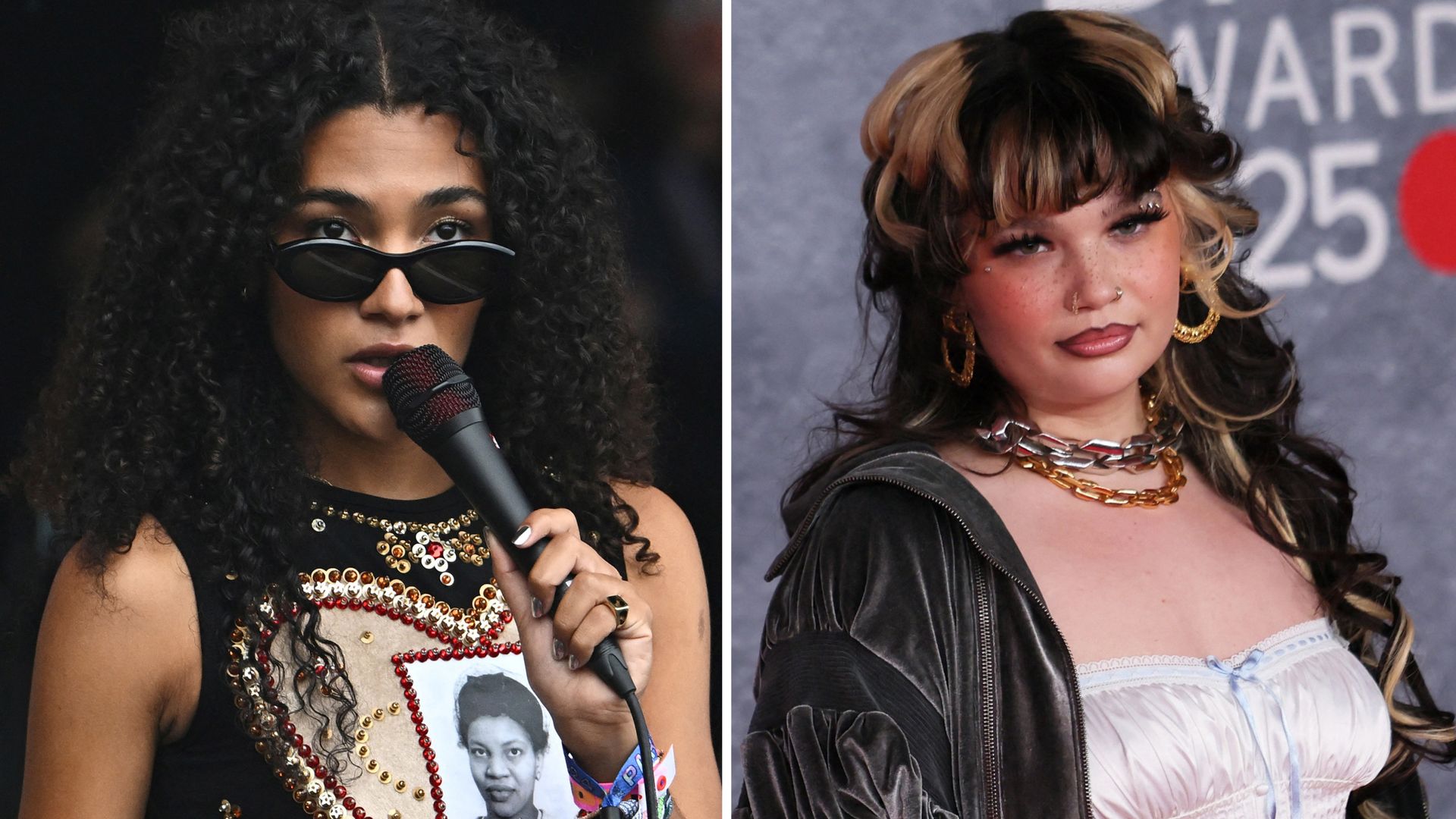
The music industry is patting itself on the back for "hitting the North." Critics are hailing Olivia Dean as the new queen of pop. The headlines suggest a democratic shift, a geographical revolution, and a coronation of talent.
They are wrong.
The BRIT Awards moving to Manchester isn't an act of decentralization; it’s a survival tactic. It is a desperate grab for cultural relevancy from a London-centric machine that has realized it can no longer afford the rent—literally or figuratively. Calling Olivia Dean the "queen of pop" because she won a statue in a rainy warehouse in Salford doesn't change the fact that the UK pop machine is currently a ghost ship.
We need to stop pretending that shifting the GPS coordinates of a red carpet fixes the structural rot of British music.
The Northern Exposure Myth
The narrative is seductive. By moving the ceremony to Co-op Live or any other northern "hub," the industry claims to be "engaging with the heart of British music culture." This is corporate gaslighting.
I have spent fifteen years in backrooms where "regional engagement" is code for "how do we lower production costs while pretending we care about the working class?"
Moving the BRITS north for a night is the equivalent of a billionaire taking a bus once and claiming they understand the commute. If the industry actually cared about the North, it wouldn't be watching in silence as grassroots venues in Sheffield, Leeds, and Manchester close at a rate of two per week. They are moving the circus to the North because the North provides a grittier, "more authentic" backdrop for Instagram stories, not because they intend to invest in the local infrastructure that actually produces the talent.
The reality? Most of the artists on that stage still live within a three-mile radius of Hackney. The labels are in Kings Cross. The PR firms are in Soho. Moving the party to Manchester for 24 hours is geographical tourism. It’s "Northern Soul" branding applied to a Southern balance sheet.
The Olivia Dean Coronation: Talent vs. The Machine
Olivia Dean is undeniably talented. Her voice is a precision instrument. But calling her the "new queen of pop" reveals how narrow our definition of "pop" has become.
The industry loves Dean because she represents "safe" soul-pop. She is brand-friendly, aesthetically impeccable, and fits perfectly into a Spotify "Chill Hits" playlist. But is she a pop queen in the lineage of Bowie, Bush, or even the spice-infused chaos of the 90s? No. She is the beneficiary of a narrowed pipeline.
The "Lazy Consensus" argues that her win is a victory for independent-leaning sensibilities. The nuance missed? The UK industry has stopped taking risks on "difficult" artists. We are crowning "queens" who don't break the furniture.
- The Data Gap: Look at the export numbers. British music's share of the global market has been sliding for a decade. We are losing ground to K-Pop, Reggaeton, and even a resurgent US country scene.
- The Homogeneity Trap: When every winner sounds like they were engineered to be played at a moderate volume in a high-end coffee shop, you don't have a music scene. You have a furniture store.
The Algorithm of Meritocracy
The "People Also Ask" crowd wants to know: Is the Brit Awards rigged? Rigged is the wrong word. It’s optimized.
The voting academy is a feedback loop. They vote for what they’ve been told is working. If a major label spends £500,000 on a radio plugger and a social media "seeding" campaign, the academy sees that artist everywhere. They perceive "impact." They vote for the impact. It’s a self-fulfilling prophecy where the artist with the biggest marketing budget is mistaken for the artist with the biggest cultural significance.
The Fallacy of the "Manchester Moment"
The competitor article suggests that Manchester is the new epicenter. Let’s look at the mechanics of why this is a fallacy.
Manchester’s musical legacy was built on the Haçienda, Factory Records, and a complete disregard for what London thought. It was an anti-establishment powerhouse. By turning the city into a temporary parking lot for the Brit Awards, you aren't honoring that legacy; you are gentrifying it.
I’ve seen this play out in the tech world. A "hub" is announced, a few ribbon-cutting ceremonies happen, and three years later, the local artists have been priced out of their studios to make way for luxury apartments named after the songs they wrote.
If you want to support Northern music:
- Tax the streaming giants to fund a national circuit of small venues.
- Move the label headquarters, not just the awards show.
- Stop treating "Northern" as a genre. It’s a location, not an aesthetic.
Why You Should Be Skeptical of "Diversity" Wins
Every year, the Brits undergo a public flogging for their lack of diversity, followed by a year of over-correction. The competitor piece frames the current crop of winners as a "new era."
The contrarian truth: The industry uses diversity at the podium to mask the lack of diversity in the boardroom.
It is easy to give a trophy to a Black woman or a Northern songwriter. It is much harder to change the equity structures of the labels that own their masters. We are celebrating the face of the industry while the hands remain exactly the same. The "queen of pop" title is a shiny distraction from the fact that the streaming royalties for her hits are largely being sucked back into the same three corporate entities that have controlled the UK charts since the 80s.
The Death of the Spectacle
The Brits used to be dangerous. Jarvis Cocker jumping on stage, the KLF firing blanks into the audience, Oasis and Blur's public warfare. That wasn't just "drama"; it was the sound of an industry that had enough oxygen to allow for friction.
Today’s ceremony is a sanitized, televised LinkedIn convention. It is designed to be "clip-able." It is built for TikTok. When the competitor article talks about the "energy" of the show moving north, they are talking about the energy of a corporate activation.
We have traded Cultural Significance for Social Sentiment Scores.
- Metric A: Did the performance move the needle on human emotion? (Irrelevant)
- Metric B: Did it trend for 4 hours on X? (Essential)
This shift is why the "queen of pop" title feels hollow. Real royalty commands a room; they don't just optimize for it.
Stop Asking if the Brits are Relevant
The question shouldn't be "Are the Brits relevant?" The question should be "Why are we still using a 19th-century award format to measure 21st-century art?"
The very idea of a "Best Artist" category is an absurdity in a fragmented digital landscape. In a world where a kid in a bedroom in Sunderland can reach 10 million people on SoundCloud without ever speaking to a London A&R, the Brit Awards is a desperate attempt to maintain the gatekeeper's keys.
By moving to Manchester, the gatekeepers are just trying to find a new gate to stand in front of.
The industry doesn't need a northern awards show. It needs to get out of the way. It needs to stop crowning "queens" and start paying the "peasants" who are actually making the music.
If you're watching the broadcast and feeling like you're witnessing a historic moment for British music, you've been sold a script. The real music isn't happening in the arena. It’s happening in the basement bars three blocks away that the Brits attendees wouldn't be caught dead in.
The North isn't a stage for London's redemption arc. It's a place where real work happens. It's time the industry stopped treating it like a backdrop and started treating it like a threat.
Don't buy the hype of the geographical shift. The throne is empty, the crown is plastic, and the queen is just another employee of the month in a failing corporate empire.
Turn off the TV. Go find a band that doesn't have a PR team. That’s where the actual royalty is hiding.