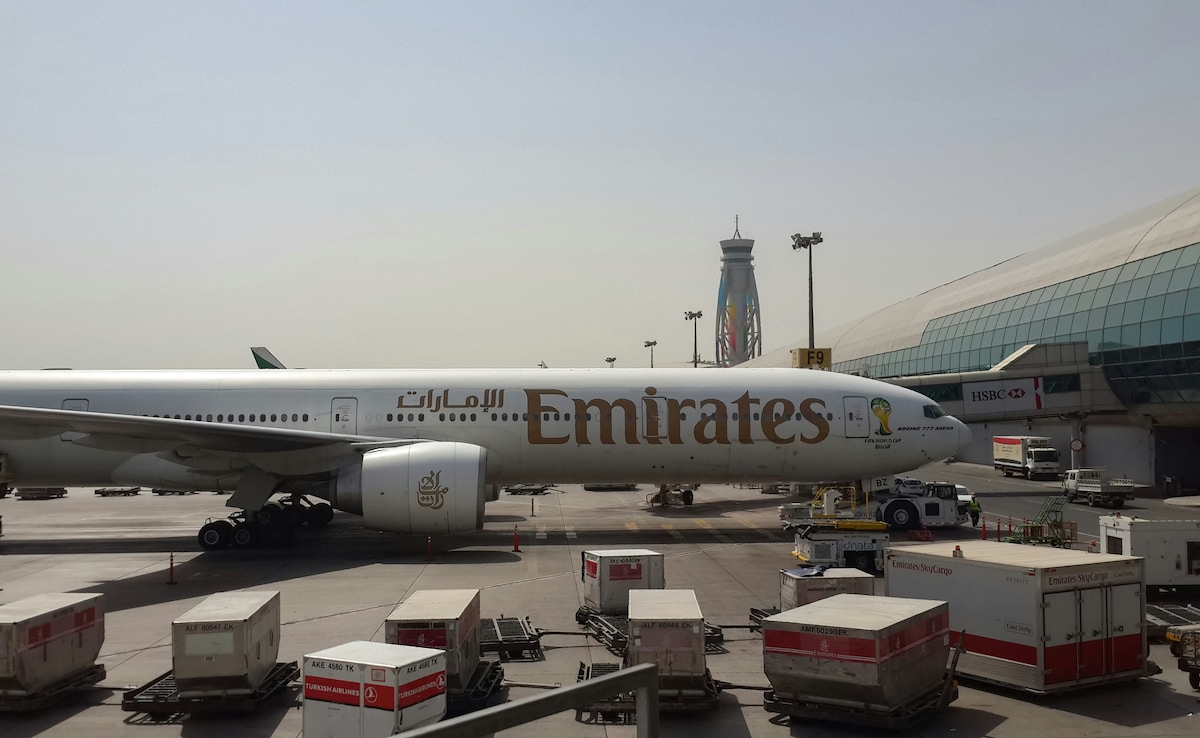
The coffee in Terminal 3 was still hot when the screens began to flicker. In Dubai International Airport, time is usually an abstract concept. It is a place where Tuesday feels like Friday and 3:00 AM looks like high noon under the aggressive glow of a thousand duty-free chandeliers. It is the lungs of global transit. It breathes in millions of souls from London, Sydney, and New York, and exhales them toward the far corners of the earth.
But then, the breathing stopped.
The silence didn't happen all at once. It started as a ripple. A gate agent paused, mid-sentence, looking at a monitor that had suddenly gone dark. A pilot, taxiing a massive Airbus A380 toward the runway, received a frantic command from the tower. Then came the announcement. It was clipped, professional, and utterly terrifying in its implications. The airspace was closed.
Outside, in the velvet blackness of the Arabian night, the sky had become a chessboard for a much deadlier game.
The Invisible Ceiling
To understand why a few flashes of light over the horizon can paralyze the world’s busiest international hub, you have to look at the sky not as an open expanse, but as a series of tightly managed corridors. When Iran launched its strikes, those corridors became a "no-go" zone. It wasn't just about the physical danger of a stray missile. It was about the collapse of certainty.
Aviation runs on the holy trinity of safety, predictability, and fuel. When you take away the first two, the third becomes a ticking clock. Imagine a hypothetical traveler—let’s call her Sarah. Sarah is sitting in 14B, halfway between a wedding in Perth and a funeral in Dublin. She is thirty thousand feet above the Gulf when the captain’s voice cracks over the intercom. They can’t land. They can’t continue. They have to divert.
Sarah represents the human cost of a geopolitical tremor. She isn't a statistic in a news ticker. She is a daughter who might miss her father's burial because the sky above her has turned into a theater of war. For Sarah, and thousands like her, the "closure of Dubai International" isn't a business headline. It is a visceral, stomach-churning realization that the world is much smaller—and much more fragile—than the brochures led her to believe.
The Mechanics of Chaos
Dubai International (DXB) is not just an airport; it is a logistical miracle. In a standard year, it handles more than 80 million passengers. That is roughly the population of Germany passing through a single point of entry. When you shut that point of entry, the shockwaves don't just stay in the United Arab Emirates. They vibrate through every flight path on the planet.
Consider the sheer physics of the shutdown.
- Fuel starvation: Planes in the air have limited endurance. They cannot "wait it out" indefinitely. Every minute spent circling is a gallon of kerosene burned that was meant for the final leg of the journey.
- The Domino Effect: A flight canceled in Dubai means a crew is out of position in Singapore. It means a plane isn't available for a morning departure in London.
- The Human Logjam: Within four hours of the shutdown, the terminal floors were carpeted with people. Suitcases became pillows. Luxury boutiques, selling five-thousand-dollar watches, became backdrops for families eating cold sandwiches on the floor.
The statistics are staggering, but the reality is more intimate. It is the sound of a thousand different languages merging into a single groan of frustration. It is the smell of recycled air and growing anxiety.
The Geopolitical Trigger
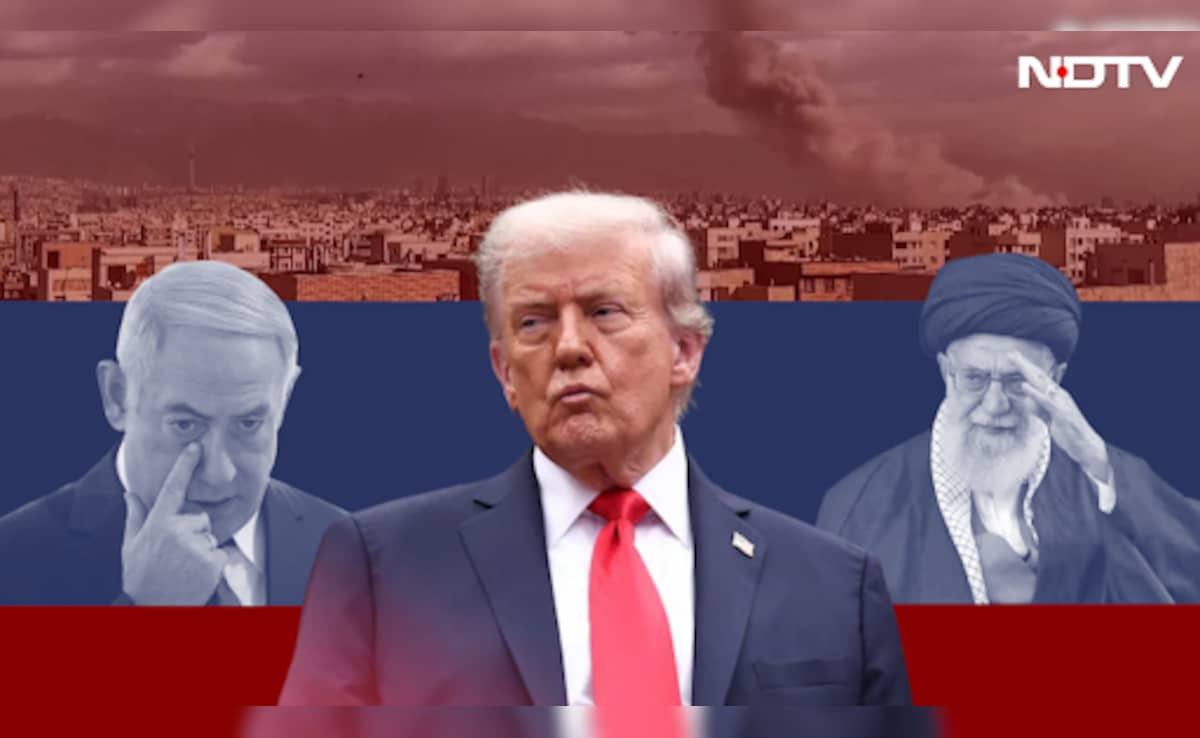
The strikes from Iran weren't a surprise to those who watch the region’s pulse, but the scale was a jagged reminder of how quickly the "global village" can be cordoned off. For decades, we have lived under the illusion that technology has conquered geography. We believe that we can fly over conflict, ignore borders, and remain insulated from the friction of history.
This night proved that geography always wins.
The Middle East is the world’s crossroads. When that crossroads is blocked, the detour isn't a ten-minute turn around the block. It is a four-hour flight around entire countries, adding thousands of tons of carbon emissions and millions of dollars in extra fuel costs. This is the hidden tax of instability. We pay for it in ticket prices, in lost time, and in the frayed nerves of a global population that suddenly feels very far from home.
A City Under Glass
Dubai itself is a city built on the promise of connectivity. It is a shimmering oasis of glass and steel that exists because the world decided it needed a place to meet in the middle. When the airport goes quiet, the city feels the chill. The hotels go empty. The conference halls grow silent. The very blood of the city—international trade—begins to clot.
I remember standing near the giant aquarium in the terminal during a previous, much shorter delay. Watching the sharks glide effortlessly behind the glass while humans screamed at gate agents was a lesson in perspective. The sharks didn't care about the closing of the Strait of Hormuz. They didn't care about ballistic trajectories or sovereign airspace. They were contained, but they were calm.
The humans, meanwhile, were realizing that their "freedom" was entirely dependent on a fragile web of diplomatic agreements and radar pings.
The Weight of the Silence
There is a specific kind of haunting silence that fills a grounded airport. Usually, DXB is a symphony of white noise—the hum of the moving walkways, the rhythmic thud of stamps on passports, the melodic chimes of the departure board. When those sounds stop, the silence is heavy. It is the sound of a gear grinding to a halt.
As the sun began to peek over the Hajar Mountains, the true scope of the backlog became clear. Hundreds of flights were diverted to smaller regional airports that were never designed to handle the surge. Passengers found themselves on tarmacs in Muscat or Doha, staring out of portholes at a horizon they weren't supposed to see.
They weren't just waiting for the "all clear." They were waiting for the world to make sense again.
The strikes eventually subsided, and the "technical" reopening of the airport began. But you don't just flip a switch on a system this large. It takes days, sometimes weeks, to untangle the knot. The digital systems have to be recalibrated. The crews have to be rested. The mountains of luggage, thousands of miles away from their owners, have to be sorted by hand.
The Lesson in the Dust
We often talk about "resilience" in the face of conflict. We praise the engineers and the controllers who manage the chaos. And they deserve it. But we rarely talk about the vulnerability.
The shutdown of Dubai International is a flare in the dark. It is a warning that our modern life is built on a foundation of "if." We can go anywhere, if the sky stays open. We can trade anything, if the sea lanes are clear. We can talk to anyone, if the satellites remain untouched.
As the first plane finally took off, its engines roaring into the desert heat, it left behind a terminal full of people who would never quite look at a flight itinerary the same way again. They had seen the curtain pulled back. They had felt the sudden, cold realization that a border is not just a line on a map—it is a wall that can reach all the way to the stars.
The lights are back on in Terminal 3. The coffee is being poured again. The sharks are still swimming in their glass cage. But the sky feels a little heavier now, a little less like a highway and a little more like a ceiling.
We are all just passengers, waiting for the next time the world decides to stand still.