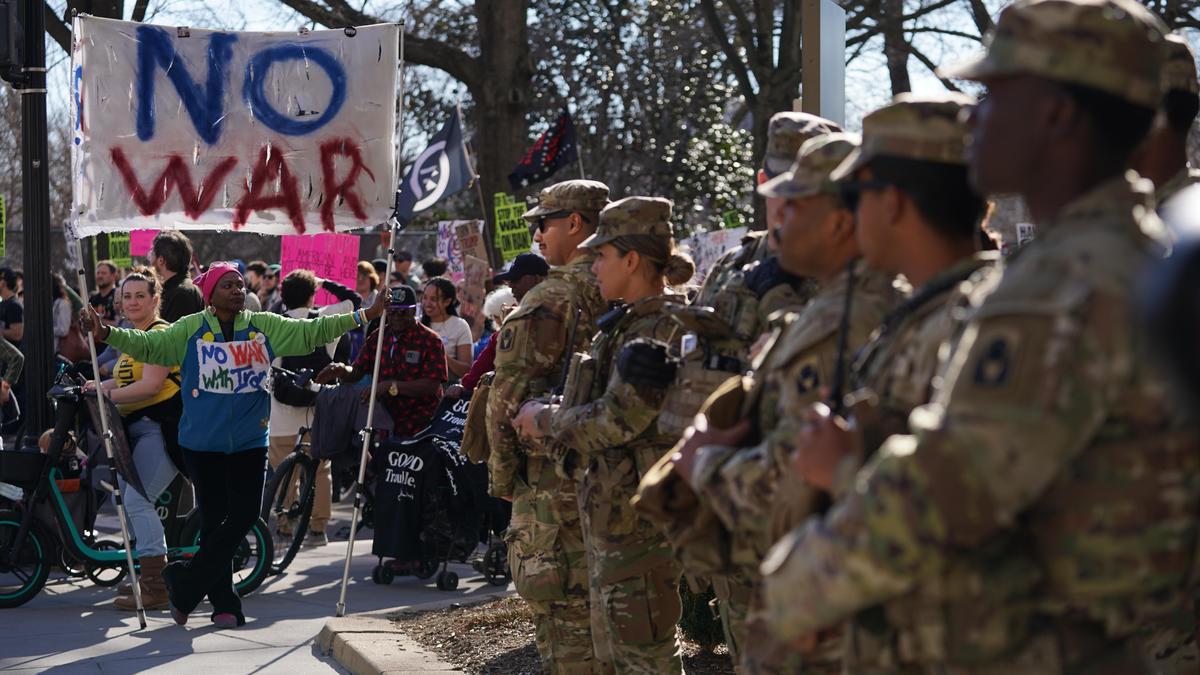
The Middle East just hit a point of no return. Forget the usual "tensions are rising" headlines you’ve seen for decades. This is different. On February 28, 2026, a joint U.S. and Israeli strike didn't just hit military targets; it took out Ayatollah Ali Khamenei, the man who’s held the ultimate power in Iran since 1989. For the first time in nearly forty years, the "Supreme Leader" seat is empty, and the world is scrambling to figure out if we’re looking at a new era of freedom or a massive regional wildfire.
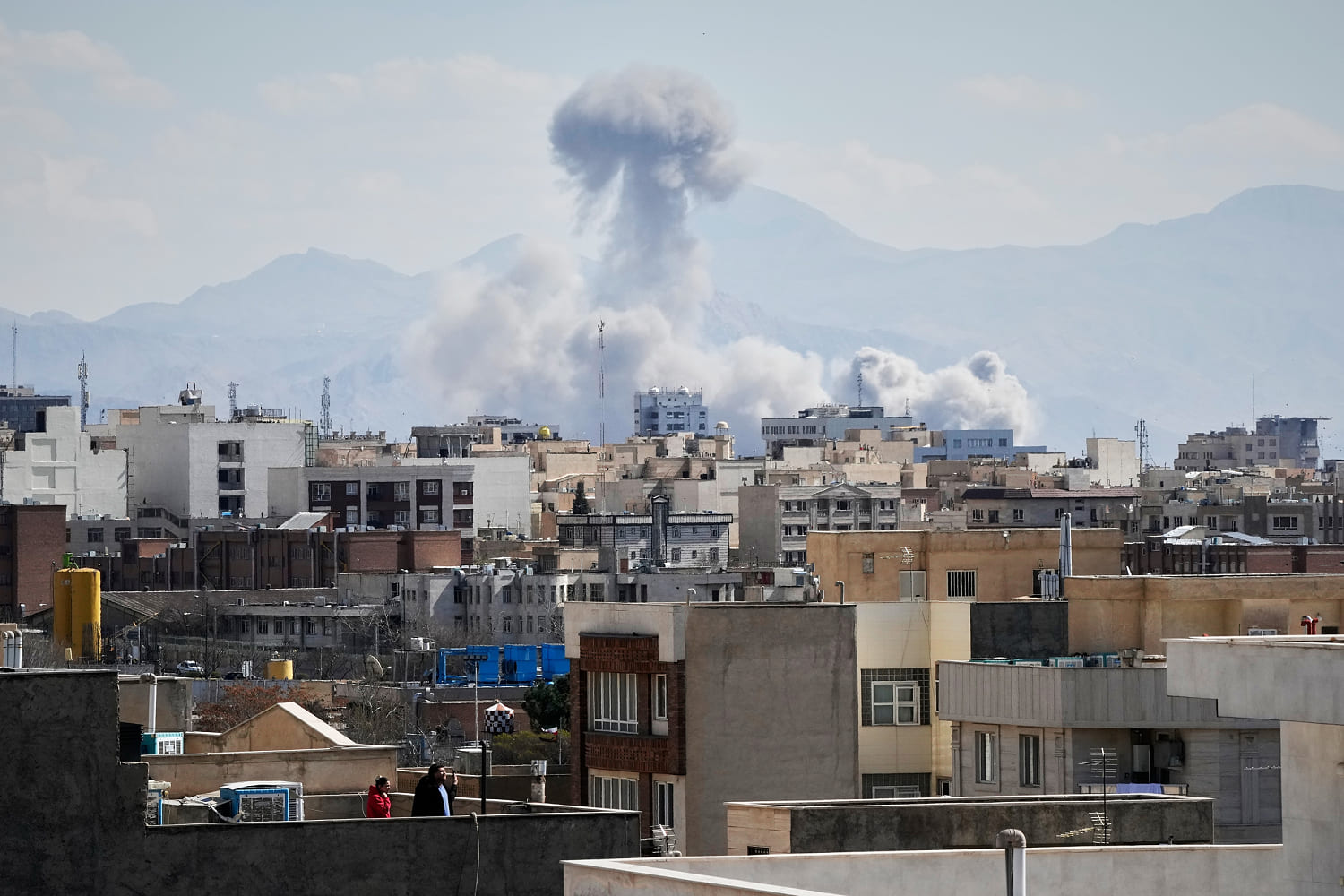
You’re probably wondering why this happened now. The U.S. and Israel have been telegraphing this move for weeks. Tensions over Iran’s nuclear program reached a breaking point, and intelligence suggested Tehran was prepping its own "pre-emptive" strike. President Donald Trump didn't wait. Using CIA intelligence to pinpoint a gathering of top leaders, Israeli jets dropped 30 bombs on Khamenei’s compound in broad daylight. It wasn't just him, either. His daughter, son-in-law, and grandson were killed, along with IRGC Commander-in-Chief Mohammad Pakpour.
World leaders are walking a razor-thin line
If you expect a unified global response, you’re not paying attention to how messy geopolitics has become in 2026. While some are celebrating in the streets of Tehran, world capitals are reacting with a mix of "finally" and "what have you done?"
Russia and China aren't hiding their fury. Vladimir Putin called the assassination a "cynical violation" of international law. He’s right to be worried; Iran is a massive strategic partner for Moscow, especially since their 2025 partnership treaty. Beijing echoed this, calling the strikes "unacceptable" and accusing the U.S. and Israel of reverting to the "law of the jungle." They’ve already told their citizens to get out of Iran immediately.
On the other side, you’ve got countries like Australia and Canada basically saying "good riddance." Australia’s government was blunt, stating Khamenei "will not be mourned" because of his track record with proxies and missiles.
The European reaction is where things get truly "cautious." France, Britain, and Germany—the trio that's spent years trying to negotiate with Iran—are in a tough spot. They didn't participate in the strikes, but they aren't exactly crying. French President Emmanuel Macron said he wasn't warned about the attack, but he also called Khamenei a dictator. They're all urging "restraint," but that’s a hard sell when missiles are already flying.
The chaos of an empty throne
Iran’s constitution says the Assembly of Experts—88 religious guys—needs to pick a new leader. But let's be real. In a crisis this big, the paperwork usually takes a backseat to whoever has the most guns.
The Islamic Revolutionary Guard Corps (IRGC) is the real player here. They’ve already named Ahmad Vahidi as their new commander. They aren't going to just sit back and watch a peaceful election. Analysts expect a "military junta" style of leadership to take over in the short term. Here’s who’s left in the mix for the top spot:
- Mojtaba Khamenei: The late leader's son. He’s got pull with the IRGC, but Iranians hate the idea of a hereditary monarchy. They threw out the Shah for a reason.
- Ali Larijani: Currently the acting head of the Supreme National Security Council. He’s the "safe" choice for the transition.
- The "Three Clerics": Before he died, Khamenei reportedly picked Gholam-Hossein Mohseni-Eje’i, Asghar Hejazi, and Hassan Khomeini as his preferred successors.
Retaliation is already happening
Don't think Iran is taking this lying down. Within hours of the confirmation, Tehran launched waves of drones and missiles. They didn't just target Israel. They hit U.S. assets across the Middle East.
Reports show hits in Kuwait, Bahrain, and the UAE. In Dubai, a prominent hotel was struck. Saudi Arabia isn't happy either, condemning what they called "treacherous Iranian aggression" after intercepting missiles over their territory. The Arab League is stuck in the middle, condemning both the initial strikes and the retaliation.
This is the part that should keep you up at night. About 20% to 30% of the world's oil and gas goes through the Strait of Hormuz. If that gets shut down or becomes a permanent war zone, your gas prices are the least of your worries. We’re talking about a global economic shockwave that could dwarf anything we saw during the pandemic.
What actually happens next
You won't find a "back to normal" anytime soon. Iran has declared 40 days of mourning, but they’re also in a state of emergency.
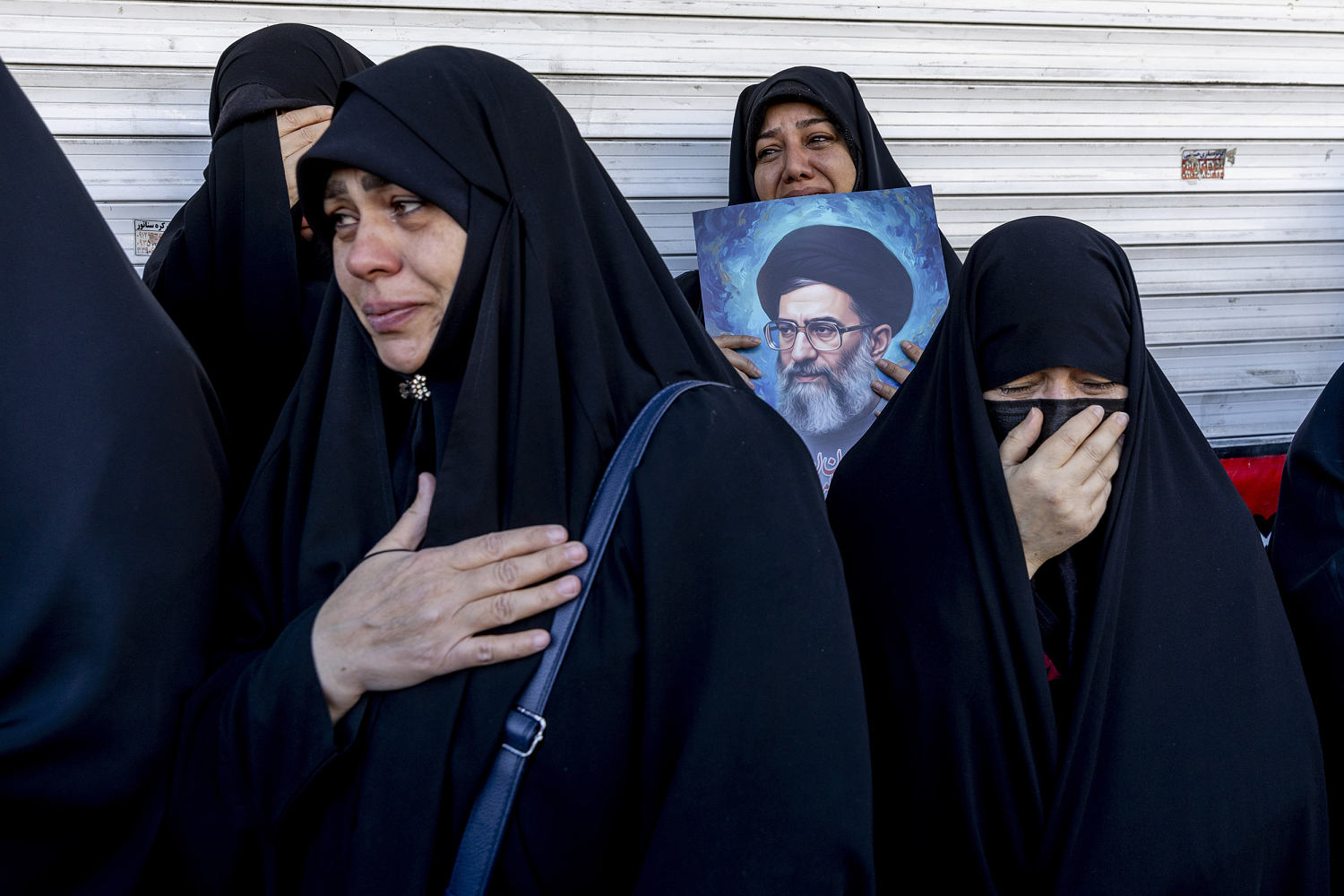
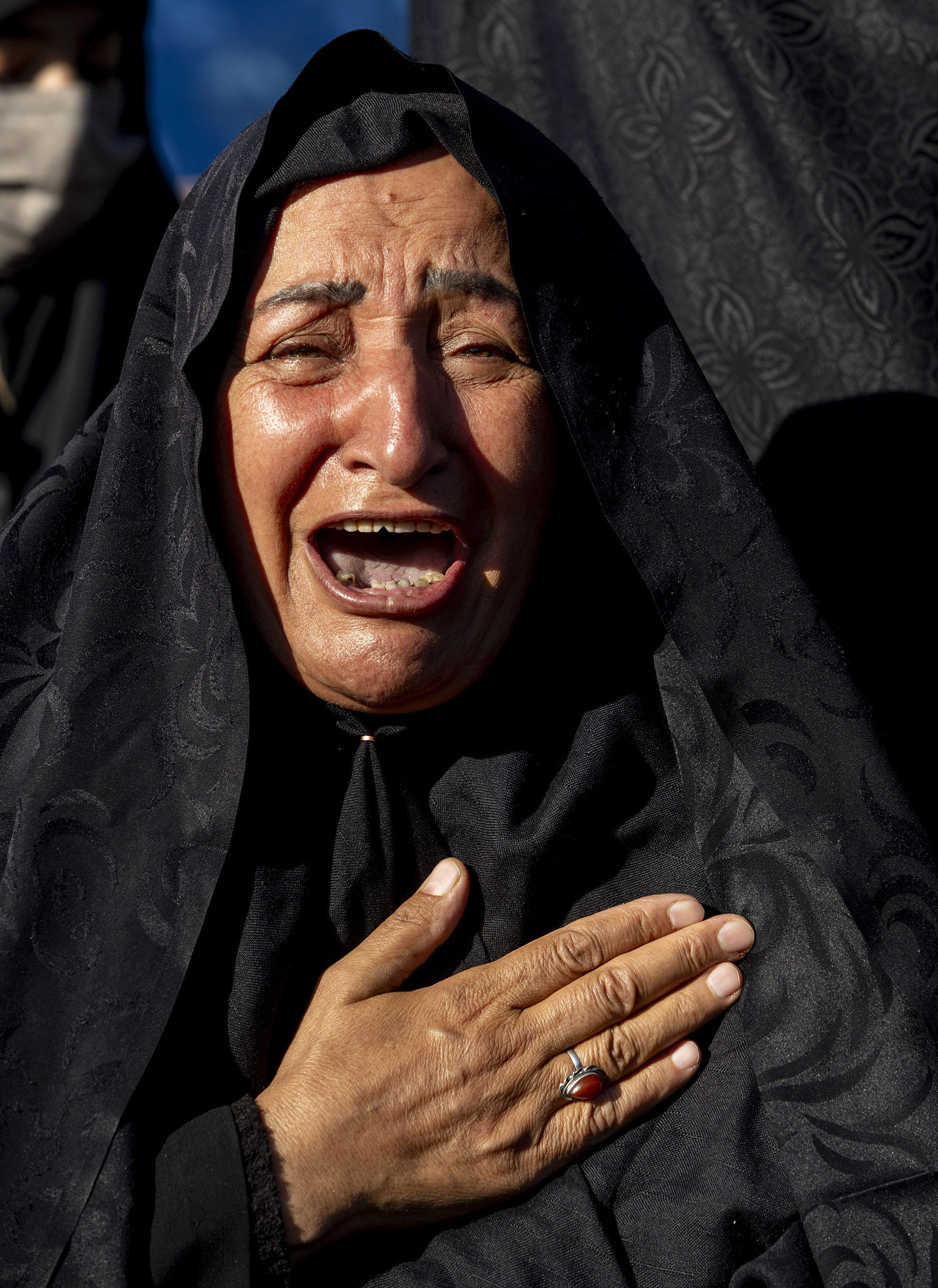
Inside Iran, the reaction is split. While the government organizes massive pro-regime rallies in Enghelab Square, there are reports of people celebrating in private or even in some streets, hoping this is the "beginning of the end" for the theocracy. It's a powder keg. If the IRGC cracks down too hard on celebrations, it could spark a domestic uprising that's even bigger than the 2022 protests.
The U.S. strategy seems to be "regime change by decapitation." Trump’s Truth Social posts made it clear: he wants the current structure dismantled. But history shows that killing the top guy doesn't always lead to a pro-Western democracy. Sometimes, you just get a younger, angrier, and more radical version of the same thing.
Watch the Strait of Hormuz. If Iran tries to block it, the U.S. Navy will have to escalate. Keep an eye on the Assembly of Experts meeting, but pay more attention to the IRGC’s movements. That’s where the real power lies now. You should also check the latest travel advisories if you have any business in the Gulf; things are moving way too fast for comfort.
Would you like me to look up the latest oil market shifts or the current status of the Strait of Hormuz?