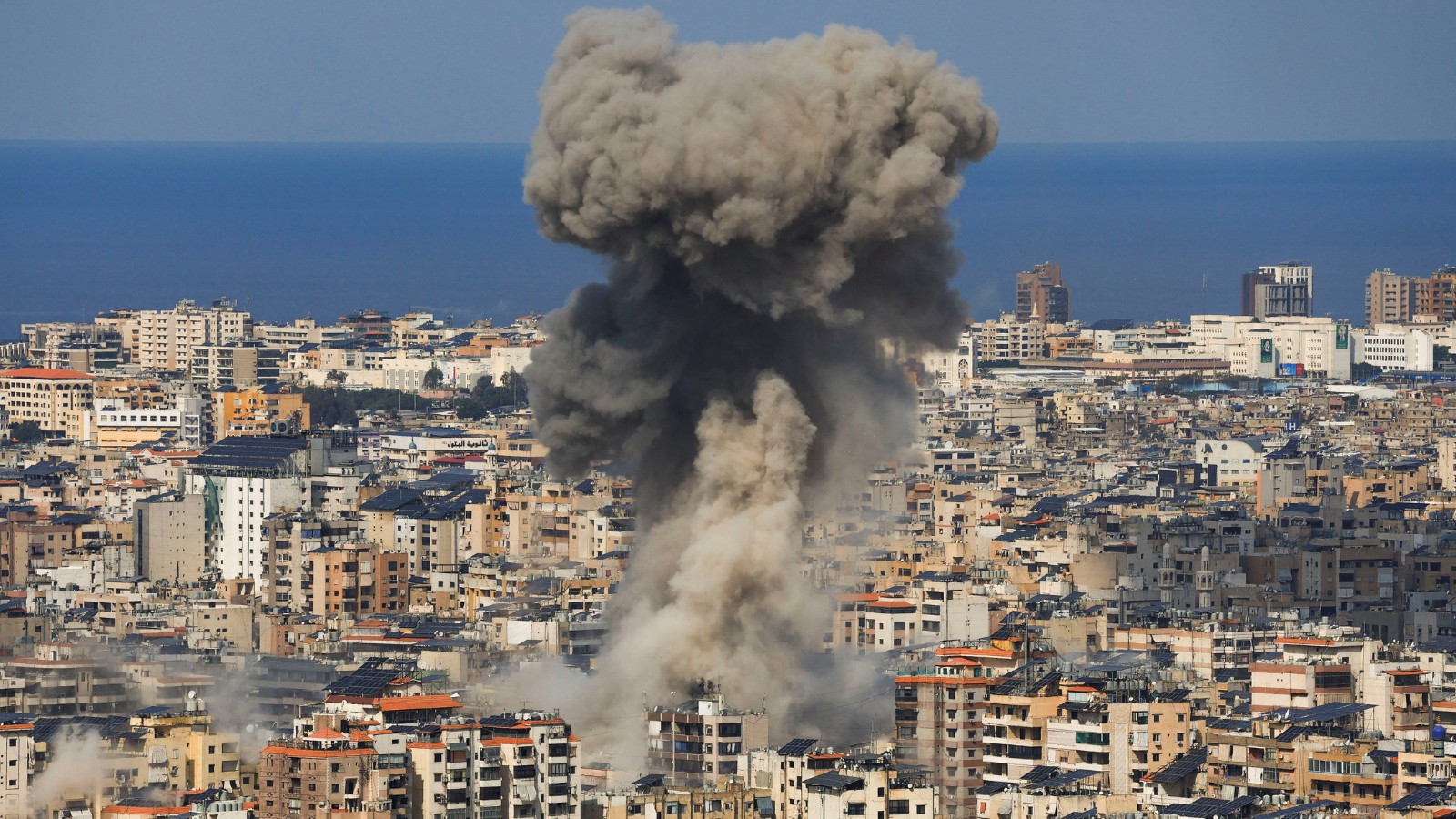
The regional war everyone spent the last year trying to avoid isn't just a threat anymore. It's happening. On Day 5 of this specific surge in hostilities, the map of the Middle East looks like a series of interconnected tripwires that finally snapped. From the suburbs of Beirut to the military outposts in Iraq and the high-tension borders of Iran, the sheer scale of the strikes marks a departure from the "tit-for-tat" shadow boxing we've seen for decades. This isn't just another flare-up. It's a fundamental shift in how the US, Israel, and the Iranian-led "Axis of Resistance" are calculating risk.
You've probably seen the headlines about missiles and drones. But the real story is the breakdown of deterrence. When US assets across the Middle East get hit simultaneously while Israel opens fresh fronts in Iran and Lebanon, it means nobody's afraid of a "red line" anymore. The old rules are dead.
The Strategy Behind Israel's Multi Front Push
Israel's military isn't just reacting to individual threats. They're trying to dismantle a decades-old Iranian strategy known as the "Ring of Fire." For years, Tehran built up proxies to surround Israel, ensuring that any strike on Iran would trigger a localized catastrophe. Israel has clearly decided that waiting for the perfect moment is a losing game.
The fresh strikes on Lebanon aren't just hitting weapon caches. They're targeting the command-and-control infrastructure of Hezbollah. This is sophisticated, high-intelligence warfare. We're talking about precision strikes that require years of Mossad and IDF planning to execute. By hitting Lebanon and Iran in the same breath, Israel is signaling that they no longer view these as separate conflicts. To them, it's one war against one source.
Most analysts missed how quickly the Israeli Air Force could pivot. You'd think a country fighting in Gaza would be too stretched to launch deep-penetration strikes into Iran. They aren't. It shows a level of military preparation that suggests they’ve been waiting for this specific window of political and tactical opportunity.
US Assets and the Price of Presence
While Israel pushes north and east, the US is finding itself caught in a violent loop. Bases in Iraq and Syria are no longer just symbolic footprints. They're targets. On Day 5, the coordination of these attacks against US assets suggests a high level of synchronization among regional militias.
Why hit the US now? It's simple. The goal is to make the American presence so expensive—in terms of lives and political capital—that the pressure to withdraw becomes unbearable. It’s a classic squeeze play. If the US stays and fights, it risks a broader war that nobody in Washington wants. If it pulls back, it leaves Israel isolated and gives Iran a clear path to regional dominance.
I've talked to folks who follow these movements closely, and the consensus is grim. The drones being used against US bases aren't the hobbyist toys of ten years ago. They're sophisticated, Iranian-designed loitering munitions. They’re cheap to build and hard to intercept perfectly every single time. It only takes one getting through a base's defense system to create a massive political crisis in the States.
The Iran Factor and the End of Shadow Wars
For a long time, Iran and Israel played a game of "plausible deniability." Iran used proxies; Israel used cyberattacks and assassinations. That era is over. By launching fresh strikes directly on Iranian interests, Israel has dragged the conflict into the light.
Tehran’s response is the great unknown. They’re balancing two conflicting needs. They have to project strength to keep their proxies loyal, but they also know a full-scale conventional war with Israel—and potentially the US—could end the regime. It’s a high-stakes poker game where both sides are all-in.
Why Lebanon is Different This Time
Lebanon is often called the "Switzerland of the Middle East," but right now, it’s a powder keg. Unlike previous conflicts, the Lebanese state is essentially bankrupt. There's no safety net. When Israel strikes Hezbollah targets in the south or in Beirut, the ripples through the civilian population are immediate and devastating.
- Hezbollah is more than a militia; it's a political party and a social service provider.
- The displacement of people from southern Lebanon is creating a domestic crisis the government can't handle.
- Israel's objective is to push Hezbollah back beyond the Litani River, a goal that has remained elusive since 2006.
What This Means for Global Stability
If you think this is just a regional issue, you're not looking at the oil charts. The Middle East still powers a massive chunk of the global economy. Any sustained conflict that threatens the Strait of Hormuz or the Suez Canal will send shockwaves through your local gas station and grocery store.
The US is trying to play firemen in a forest fire. They’re sending more carrier strike groups to the region, but more hardware often leads to more targets. It’s a paradox of power. The more the US tries to stabilize the region with force, the more it validates the "occupier" narrative used by militias to recruit.
How to Track the Real Escalation
Stop looking at the number of missiles. That's a vanity metric. Instead, watch the diplomatic exits. When embassies start clearing out non-essential staff in mass numbers, that's when you know the intelligence agencies expect a point of no return.
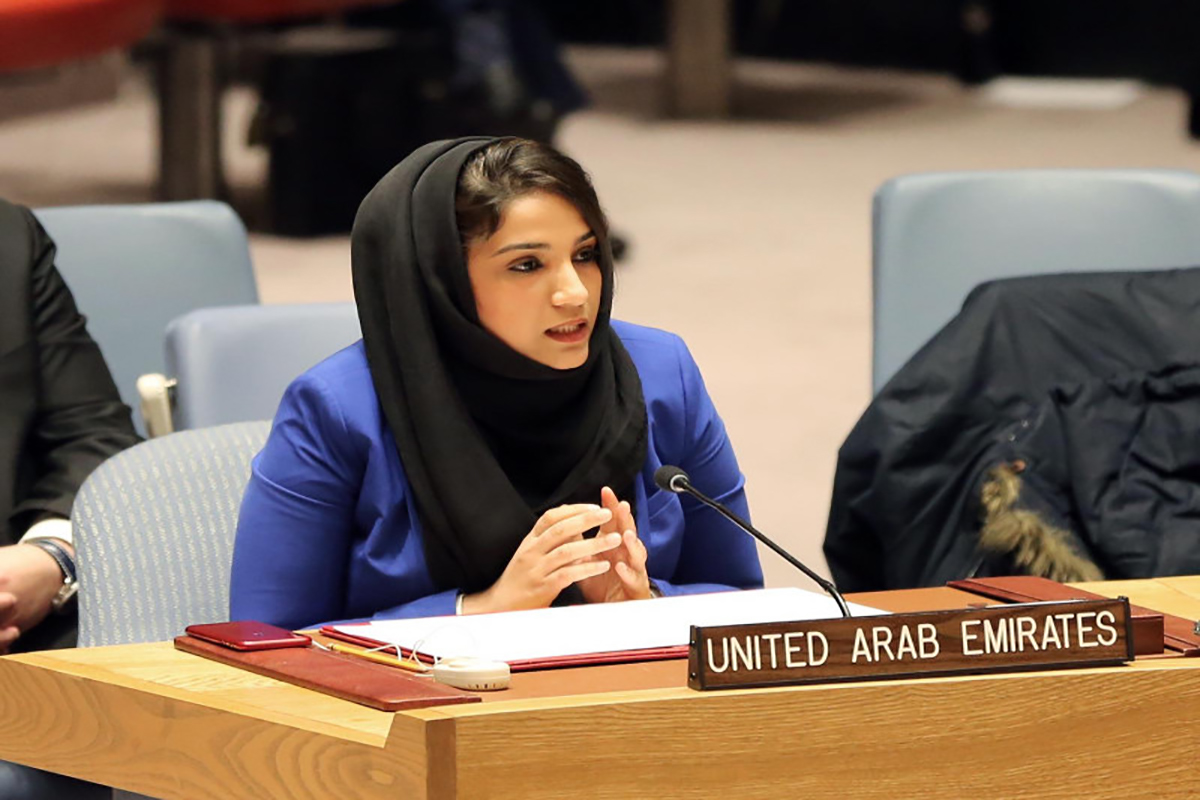
Watch the rhetoric coming out of the Gulf states like Saudi Arabia and the UAE. They’re caught in the middle. They want Iran’s influence curtailed, but they don't want their multi-billion-dollar "Vision 2030" projects turned into collateral damage. Their silence—or their sudden pivot toward mediation—will tell you more than any press release from the Pentagon.
The situation is fluid, violent, and incredibly complex. We're seeing the map of the 21st-century Middle East being redrawn in real-time, and the ink is unfortunately blood.
Stay informed by following direct military dispatches and verified ground reports from the region. Avoid the pundits who offer easy solutions. There aren't any. The next 48 hours will likely determine if this Day 5 surge is a peak or just the beginning of a much longer, darker climb. Keep a close eye on the Mediterranean naval movements and the Iranian domestic response. Those are the two keys to the next phase.