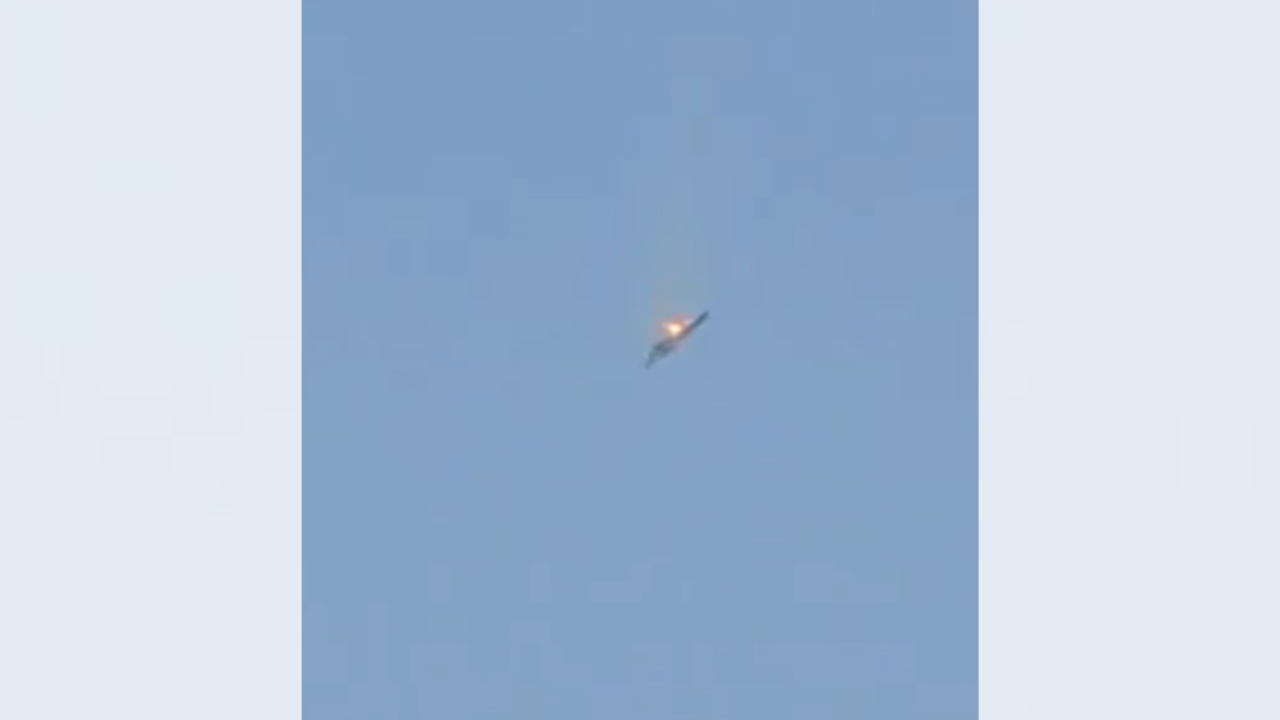
The Persian Gulf is currently a powder keg, and the match was struck over the weekend. If you’ve been following the frantic updates, you know the situation shifted from "tense" to "unprecedented" in a matter of hours. Iranian state media is loudly claiming that a US F-15 fighter jet was downed in Kuwaiti airspace. At the same time, reports of explosions are flooding in from Dubai, Doha, and Manama.
It’s easy to get lost in the noise of state-run propaganda and frantic social media clips. You're likely wondering if we're looking at the start of a regional war or a massive disinformation campaign designed to sow panic. Here’s the reality of what’s actually happening on the ground in Kuwait, the UAE, and Qatar.
The claim of a downed F-15 in Kuwait
Early Monday morning, Iranian state media outlets, including IRNA, began circulating reports that an American F-15 was shot out of the sky over Kuwait. They even shared footage of a jet spiraling toward the earth in a ball of fire.
The Pentagon hasn't confirmed a loss of airframe yet. In fact, US Central Command (CENTCOM) maintains that while their bases in the region have been targeted, their "combat-related injuries" and equipment losses remain minimal. Here's what I've seen in these situations before: Iran often uses "combat camera" footage from older conflicts or even flight simulators to claim current victories.
However, Kuwaiti authorities did confirm their air defenses were active at dawn. They intercepted several drones over the Hawalli and Salwa areas. Smoke was also spotted rising from the vicinity of the US Embassy in Kuwait City. Whether that smoke came from a crashed jet or an intercepted drone remains the million-dollar question.
Explosions rock Dubai and the Palm Jumeirah
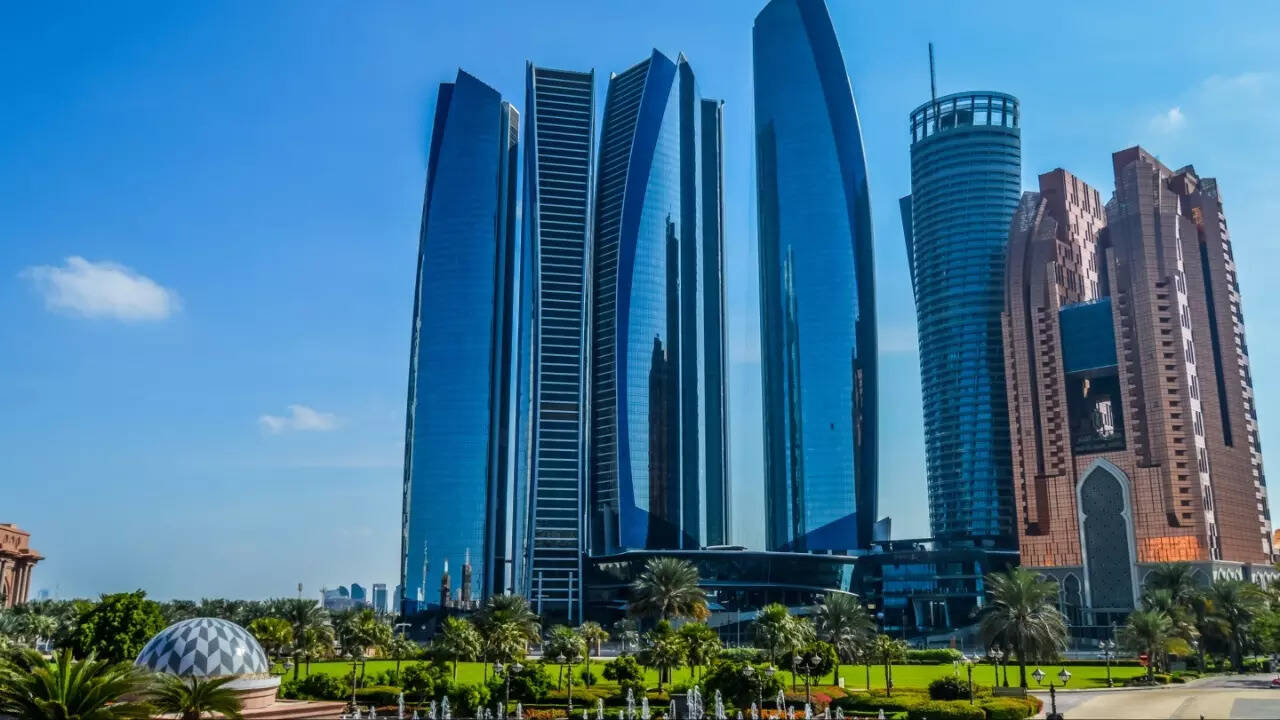
If you thought Dubai was an untouchable oasis of luxury, this weekend was a wake-up call. The most jarring report involves the Fairmont The Palm. Verified footage shows a fire at the hotel after what appears to be a missile or drone strike.
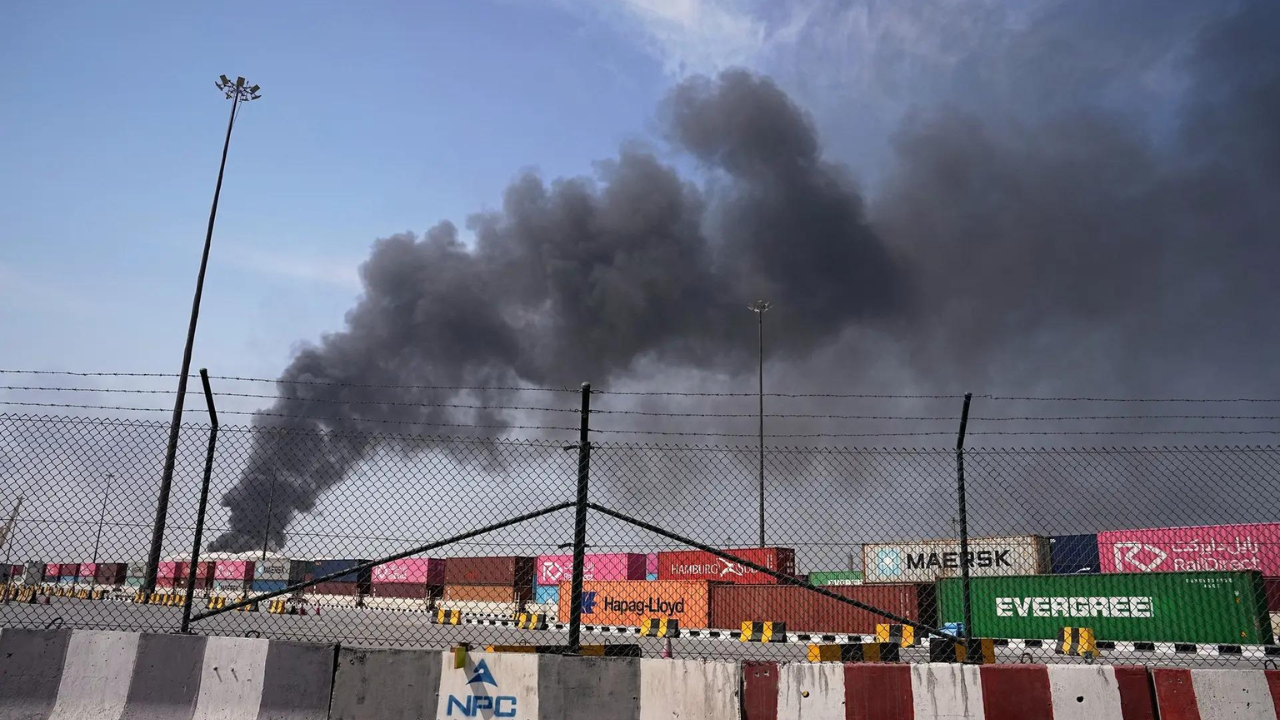
Dubai is a city that thrives on the image of total safety. Seeing thick black smoke rising over the Palm Jumeirah ruins that image instantly.
- The Toll: UAE authorities report at least three dead and dozens injured since these retaliatory strikes began.
- Aviation Chaos: Emirates has suspended all operations. Dubai International (DXB), usually the busiest hub in the world, is effectively a ghost town of stranded travelers.
People are scared. I've heard from residents who say the sound of fighter jets overhead is now constant. It’s a complete departure from the "business as usual" vibe the UAE usually projects.
Doha and Bahrain under fire
It’s not just the UAE. Doha, Qatar—a city that often plays the role of the neutral mediator—has heard the roar of its own air defense systems. The Qatari Defense Ministry confirmed they intercepted multiple "hostile targets" targeting the capital.
In Bahrain, the stakes are even higher because it's home to the US Navy’s Fifth Fleet. Reports indicate a facility linked to the Fifth Fleet was targeted. While the US says the damage is negligible, the fact that Tehran is willing to lob missiles directly at the nerve center of American naval power in the Gulf is a massive escalation.
The Operation Epic Fury context
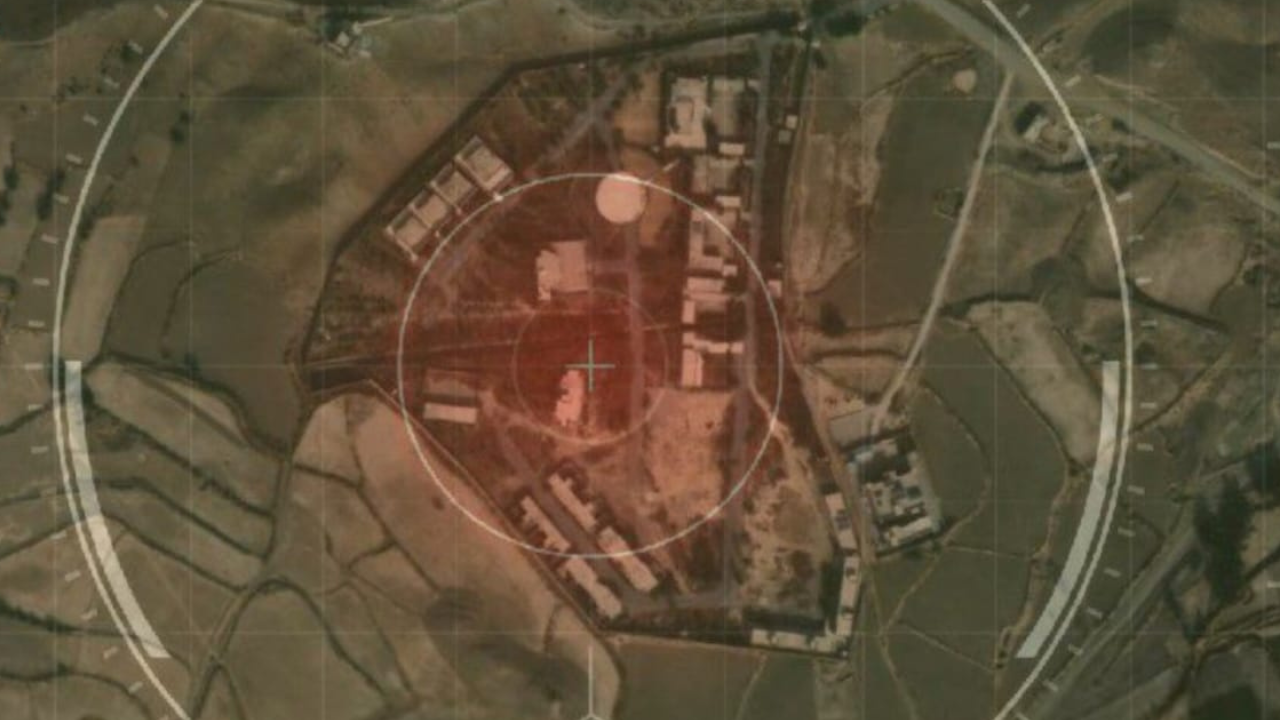
You can't understand these "explosions" without looking at what started this specific cycle. On February 28, the US and Israel launched "Operation Epic Fury." This wasn't just another symbolic strike. It was a decapitation move.
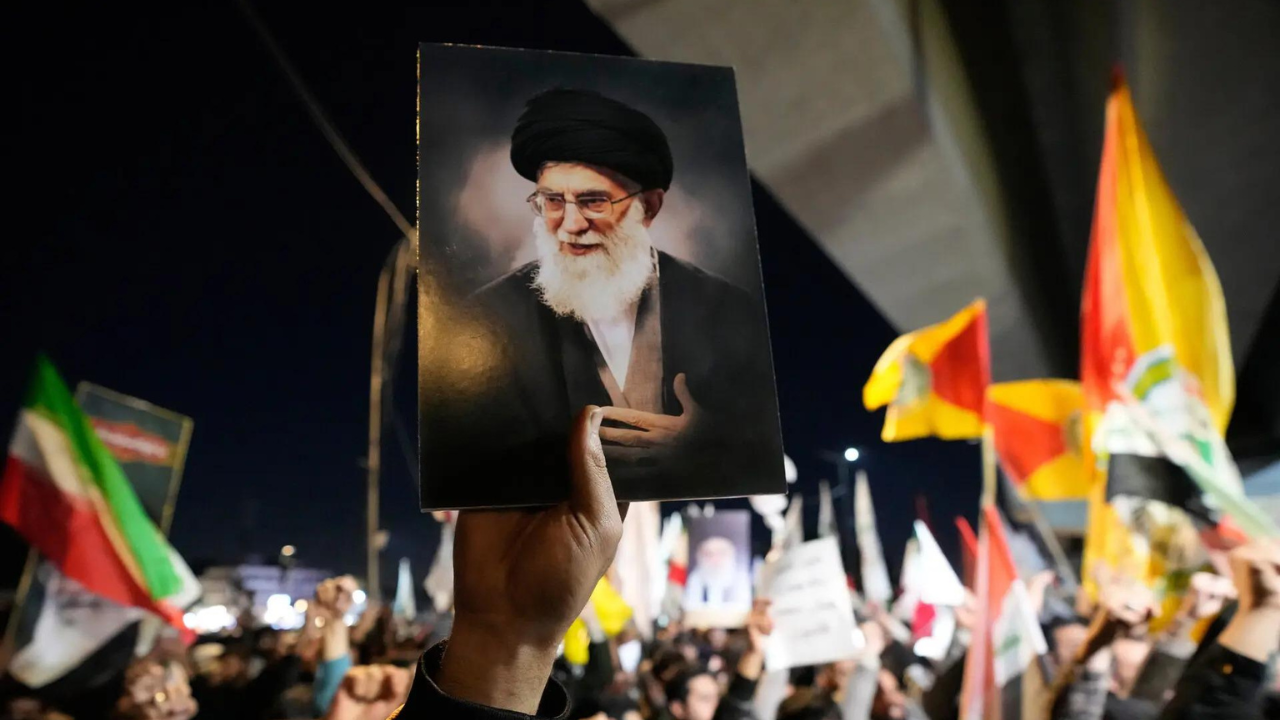
Reports indicate that Supreme Leader Ali Khamenei was killed in those initial strikes. Whether he’s actually dead or just "removed to a secure location" is still being debated, but the IRGC is reacting as if they’ve lost their North Star. They’ve dubbed their counter-operation "True Promise 4."
Iran is basically saying: "If we go down, the whole neighborhood goes down with us."
Don't get jailed for a retweet
Here’s a practical tip if you’re actually in the Gulf right now: watch what you post. The UAE has extremely strict laws regarding "rumors" and "misinformation." Under Federal Decree Law No. 34 of 2021, sharing unverified videos of explosions or claiming a jet was downed before the government says so can land you in prison for a year or cost you a Dh200,000 fine.
Authorities are cracking down hard because they don't want a bank run or a mass exodus of expats. They want to control the narrative. If you see a video of a "missile hitting the Burj Khalifa" (which has been a common fake circulating today), don't share it unless you want a knock on your door.
What happens to the oil
The Strait of Hormuz is effectively closed. The IRGC Navy has been broadcasting warnings on VHF radio telling all vessels to stay away.
- LNG Tankers: Several tankers from Qatar have already turned back.
- Oil Prices: Expect a massive surge when markets fully digest the closure.
- Global Supply: Roughly 20% of the world's oil passes through that tiny stretch of water. If it stays closed for more than a week, your gas prices at home are going to skyrocket.
Assessing the risks
Is this World War III? Probably not yet. But it’s the closest we’ve been in decades. Iran is currently a wounded animal. They’ve lost high-level leadership and they’re lashing out at the easiest targets: the US-aligned Gulf states.
The US has a massive amount of firepower in the region, but even the best air defense systems (like the Patriot or the Iron Dome) aren't 100% effective against "swarms." If Iran launches 100 drones at once, two or three are going to get through. That’s what we saw in Dubai and Kuwait.
Check official government channels like KUNA (Kuwait) or WAM (UAE) for the most accurate local updates. Avoid "OSINT" accounts on X that seem to have "breaking news" every five minutes; half of them are just recycling old footage from the Syrian civil war. If you're an expat in the region, ensure your embassy has your current contact details and stay away from windows during siren alerts.