Canadian Prime Minister Mark Carney isn't just offering empty platitudes from a podium in Mumbai. When he calls for the protection of civilians as U.S. and Israeli forces hammer Iranian targets, he's acknowledging a terrifying reality. The "surgical strike" is a myth. In the high-stakes game of Middle Eastern geopolitics, the line between military infrastructure and human life is paper-thin.
If you're following the news, you know the situation shifted from "tense" to "catastrophic" in a matter of hours on February 28, 2026. The joint operation, dubbed Operation Genesis by Israel and Operation Epic Fury by the U.S. Department of Defense, saw over 1,200 bombs dropped in the first 24 hours alone. While the official line from Washington and Jerusalem focuses on "denuclearization" and "pre-emptive defense," the boots-on-the-ground reality is a lot messier.
The human cost of Operation Epic Fury
Carney’s plea for civilian safety comes as reports of "collateral damage" begin to surface. In southern Iran, state media reported a strike on a girls' school that killed at least 51 students. This isn't just a statistic; it’s the exact scenario Carney is trying to mitigate. When you launch 200 fighter jets in the largest combat sortie in history, the margin for error disappears.
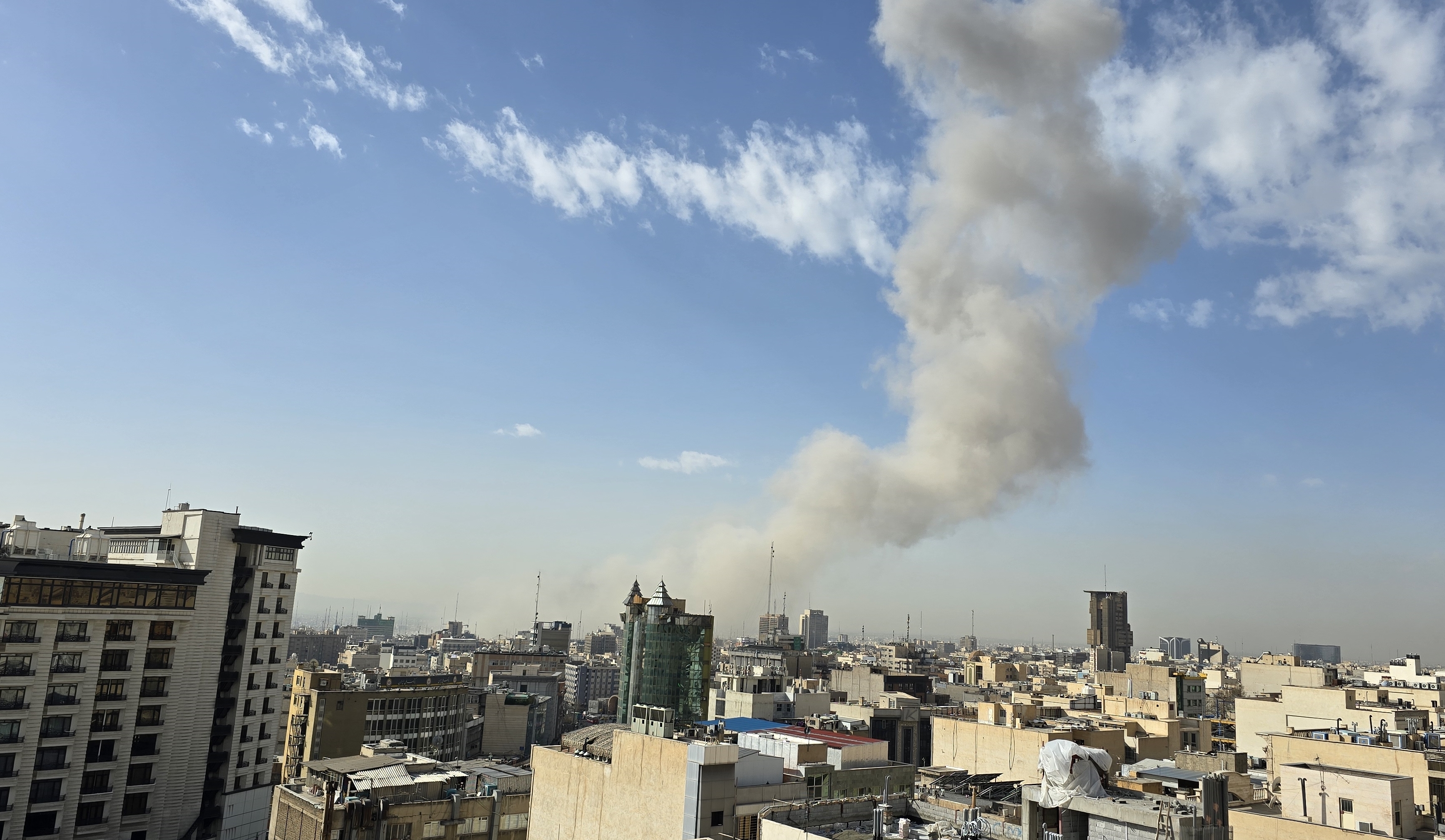
The strikes didn't just hit missile silos. They hit the Pasteur district in Tehran—a densely populated area that houses the presidential palace and the National Security Council. While the goal was to take out leadership, including the reported death of Supreme Leader Ayatollah Ali Khamenei, the explosions rocked neighborhoods where ordinary families were just starting their work week. Saturday is a regular business day in Iran. Launching an attack at 9:45 a.m. local time meant the streets were full.
Why Canada is staying on the sidelines
You might wonder why Canada, a traditional ally, isn't flying alongside U.S. B-2 stealth bombers. Carney was blunt: Canada wasn't part of the planning. While he supports the goal of preventing a nuclear-armed Iran, he’s keeping a calculated distance from the kinetic side of the conflict.
This distance gives him the moral standing to act as a witness. By urging all parties to "protect civilian lives as best as possible," he’s signaling that Canada's support for the mission’s objectives doesn't mean a blank check for its methods. It's a delicate tightrope walk. He’s backing the destruction of the Iranian nuclear program while simultaneously telling Canadians in the region to "shelter in place" because he knows the retaliation will be blind and brutal.
Retaliation and the regional spillover
The protection of civilians isn't just an Iranian issue. Within hours of the initial strikes, the Islamic Revolutionary Guard Corps (IRGC) launched what they called a "first wave" of drones and missiles. They didn't just aim at military bases.
- Beit Shemesh, Israel: Six civilians were killed when a missile hit a residential area.
- Dubai and Qatar: Explosions were heard over the Gulf, with debris from intercepted drones causing fires in tourist hubs like the Palm Islands.
- Jordan: Defense systems had to intercept missiles over Amman, putting Jordanian civilians in the crosshairs of a war they didn't start.
When Carney calls for protection, he’s looking at this entire map. The conflict is already bleeding into Bahrain, Oman, and Iraq. In Karachi, Pakistan, the fallout turned violent as protesters tried to storm the U.S. Consulate, leading to nine deaths. This is the "chain of events" UN Secretary-General António Guterres warned about—a conflict that moves faster than diplomacy can keep up with.
The myth of the clean war
Military officials love to talk about "tactical surprise" and "pinpoint targets." But let’s be real. When the U.S. uses HIMARS and Tomahawk missiles alongside Israeli cyberattacks that shut down phone apps, the chaos is total. Cyber warfare doesn't just target the "regime." It breaks the communication channels civilians need to find safety or medical help.
The Israeli military did issue warnings for civilians to evacuate areas near military industries. But where do you go in a country under a total blackout? Carney’s statement reflects a deep skepticism of the idea that you can topple a regime without breaking the people under it.
What this means for international law
We’re watching the global order get rewritten in real-time. Typically, a "pre-emptive" strike requires an imminent threat. Critics, including those at Chatham House, argue that this operation pushes us into a world where force is the "new normal." If we stop caring about the UN Charter's rules on territorial integrity, the only thing left to protect people is the individual conscience of leaders like Carney who are willing to speak up.
Practical steps for those affected
If you have family in the region or are currently traveling through the Middle East, "wait and see" isn't a strategy.
- Follow Global Affairs Canada updates: The travel advisories for Israel, Jordan, Qatar, and the UAE have been upgraded to reflect "ongoing military activity."
- Registration of Canadians Abroad (ROCA): If you're a Canadian citizen, make sure you're registered so the government can reach you for emergency evacuations.
- Shelter in place: If you are in Tehran or other major Iranian cities, the advice remains to stay away from government buildings and military infrastructure. Saturday’s strikes showed that these are the primary targets, and the proximity of civilian housing makes them de facto death traps.
- Prepare for communication blackouts: Cyberattacks have already targeted media and phone apps. Have a plan for communicating with family that doesn't rely on a stable internet connection or local cellular networks.
The situation is evolving by the minute. Carney’s call for civilian protection is a start, but as the smoke rises over Tehran and sirens blare in Tel Aviv, it's clear that the "protection" he’s asking for is becoming harder to find.
Check the latest Global Affairs Canada travel advisories before making any movement within the Gulf region.