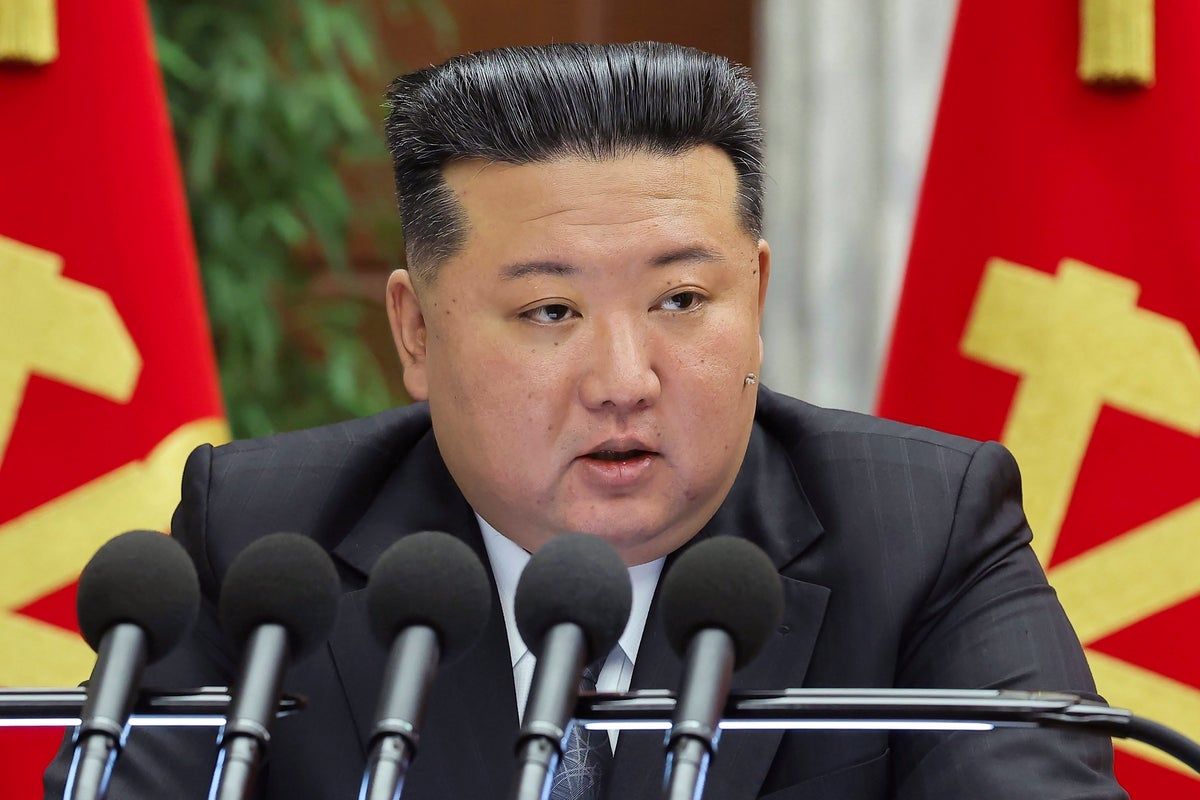
Kim Yo Jong isn't known for pulling her punches, and her latest tirade against the United States and South Korea is no exception. This morning, she labeled the massive Freedom Shield 2026 military exercises a "provocative and aggressive war rehearsal" that’s set to dismantle any hope for regional stability. If you’ve been following the Korean Peninsula, you know the drill. Literally. Every spring, the allies fire up their engines, and Pyongyang fires up the state-run fax machines to send out warnings of "terrible consequences."
But this year feels different. The timing is messy. While 18,000 South Korean and U.S. troops are practicing multi-domain warfare across land, sea, air, and even cyberspace, Washington is simultaneously bogged down in an escalating conflict in the Middle East. Kim Yo Jong didn't miss that detail. She’s framing these drills as evidence that the "international rogues"—her words, not mine—are pushing the world toward a security collapse.
The Freedom Shield 2026 breakdown
Let’s look at what’s actually happening on the ground. Freedom Shield is an 11-day marathon starting March 9 and running through March 19. It’s designed to test "all-domain" operations. That’s military-speak for making sure the Army, Navy, Air Force, and Space Force can talk to each other without a hitch if things go south.
Interestingly, the allies have actually dialed back the physical field training this time. There are only 22 field maneuvers scheduled, compared to over 50 last year. Why the haircut? South Korea’s current administration, led by President Lee Jae Myung, is trying to play a delicate game. They want to show strength but also keep the door cracked for diplomacy. They’re even hoping for a breakthrough when Donald Trump visits China later this month.
Kim Yo Jong, however, isn't buying the "defensive nature" label. In her view, there's no difference between a drill and a pre-emptive strike. She sees 18,000 troops "at our doorstep" as a clear and present danger, regardless of whether they’re shooting real bullets or running computer simulations.
Why North Korea is extra twitchy right now
You have to look at the broader map to understand why Pyongyang is so heated. The U.S. and Israel have been carrying out leadership-targeting operations against Iran. To the Kim family, that looks like a trailer for a movie they don't want to star in. Kim Yo Jong’s statement specifically mentioned that "offensive power is the most reliable deterrent."
Basically, they're watching what’s happening in the Middle East and concluding that the only way to avoid a similar fate is to double down on their nuclear arsenal. They aren't just complaining about the drills because it’s their hobby; they’re using it to justify a massive expansion of their "destructive power."
- The Space Factor: This year’s drills include heavy focus on outer space and cyberspace.
- Wartime Control: South Korea is using these exercises to prove they’re ready to take back full command of their troops from the U.S. by 2030.
- Multinational Presence: Units from the United Nations Command are involved, showing Pyongyang that it’s not just a "U.S. problem" but a global front.
The rhetoric versus the reality
I’ve seen this movie before. Pyongyang barks, Seoul and D.C. shrug, and everyone goes back to their corners. But don't let the repetition fool you into thinking it's harmless. Every time Kim Yo Jong releases one of these statements, it sets the floor for the next round of missile tests. She’s signaling that North Korea won’t be "proportional" in its response. If they feel provoked, they're threatening an "overwhelmingly preemptive ultra-strong offensive."
That’s a fancy way of saying they might not wait for the "war rehearsal" to become a real war before they do something drastic. It’s a classic case of security dilemma: South Korea drills to feel safe, which makes North Korea feel unsafe, so they build more nukes, which makes South Korea drill more.
Honestly, the "regional stability" she’s worried about has been on life support for years. These drills are just the latest stress test. If you're looking for an immediate de-escalation, don't hold your breath. The allies are committed to the full 11 days, and Pyongyang is committed to watching "what games they play."
If you're tracking this, keep a close eye on the Northern Limit Line (NLL). Historically, North Korea likes to express its "resolve" with short-range missile launches or artillery drills near the maritime border when Freedom Shield is in full swing. Given the current global chaos, the margin for error is razor-thin.
Pay attention to the rhetoric coming out of the Blue House in Seoul. If President Lee Jae Myung continues to push for dialogue despite these insults, it might signal a serious back-channel effort is underway. If not, expect a very loud, very expensive month of March in Northeast Asia.