The shadow war between Jerusalem and Tehran has officially abandoned the shadows. For decades, the conflict followed a predictable, if bloody, script of proxy skirmishes and deniable assassinations. That era ended the moment Israeli officials signaled that the next leader of the Islamic Republic—whoever that might be—is already marked for death. This is no longer about reacting to specific provocations. It is a calculated pivot toward a doctrine of preemptive decapitation that targets the office of the Supreme Leader itself, rather than the individual occupying the chair.
Israel is signaling that the era of "strategic patience" is dead. By expanding its target list to include future leadership, the Israeli security cabinet is attempting to break the internal logic of the Iranian regime's succession planning. This move ignores the traditional diplomatic guardrails that usually keep heads of state off the active hit list. It suggests that from the perspective of Israeli intelligence, the entire political structure of the Islamic Republic has been reclassified as a singular, ongoing military threat.
The Mechanics of the Ghost Target
Targeting a successor who has not yet been named is a psychological operation as much as it is a military strategy. In Tehran, the process of selecting the next Supreme Leader is a labyrinthine struggle involving the Assembly of Experts and the top brass of the Islamic Revolutionary Guard Corps (IRGC). By placing a target on the "next in line," Israel is injecting a lethal variable into an already volatile internal power struggle.
Potential candidates now have to weigh the prestige of the office against the high probability of a kinetic strike. It forces every cleric and general with ambitions to look at the job as a suicide mission. This isn't just about killing one man. It is about making the position of Supreme Leader untenable. If the price of leadership is an inevitable Hellfire missile, the pool of willing candidates shrinks, and the internal friction within the regime's elite circles intensifies.
Historically, Israel focused on the "Octopus tentacles"—Hamas in Gaza, Hezbollah in Lebanon, and various militias in Syria and Iraq. The new strategy, often referred to in defense circles as the "Octopus Head" strategy, seeks to bypass the proxies and strike the nervous system directly. However, declaring a successor a target before they even take office is a radical escalation of this theory. It moves from targeting the decision-makers to targeting the institutional continuity of the state.
Breaking the Cycle of Proxy Dependency
The logic behind this shift is rooted in the perceived failure of traditional containment. For twenty years, Israel attempted to manage the Iranian threat by striking shipments of Iranian-made missiles and targeting mid-level nuclear scientists. Those efforts, while tactically successful, failed to stop Tehran from achieving a "threshold" nuclear status or from encircling Israel with a "ring of fire."
Jerusalem has reached a conclusion that many in the West are still trying to avoid: the regime in Tehran cannot be deterred through its proxies. The IRGC is more than willing to fight to the last Lebanese or the last Palestinian. To change the regime's calculus, the threat must be existential to the individuals at the very top of the food chain.
This isn't just rhetoric. The recent precision strikes against high-ranking IRGC officials in Damascus and the sophisticated operation against Ismail Haniyeh in the heart of Tehran have proven that Israel’s intelligence reaches deep into the supposedly "hardened" zones of the regime. The message is clear: if we can reach the generals in their safe houses and the guests in your government guesthouses, we can reach the man on the throne.
The Succession Crisis as a Weapon
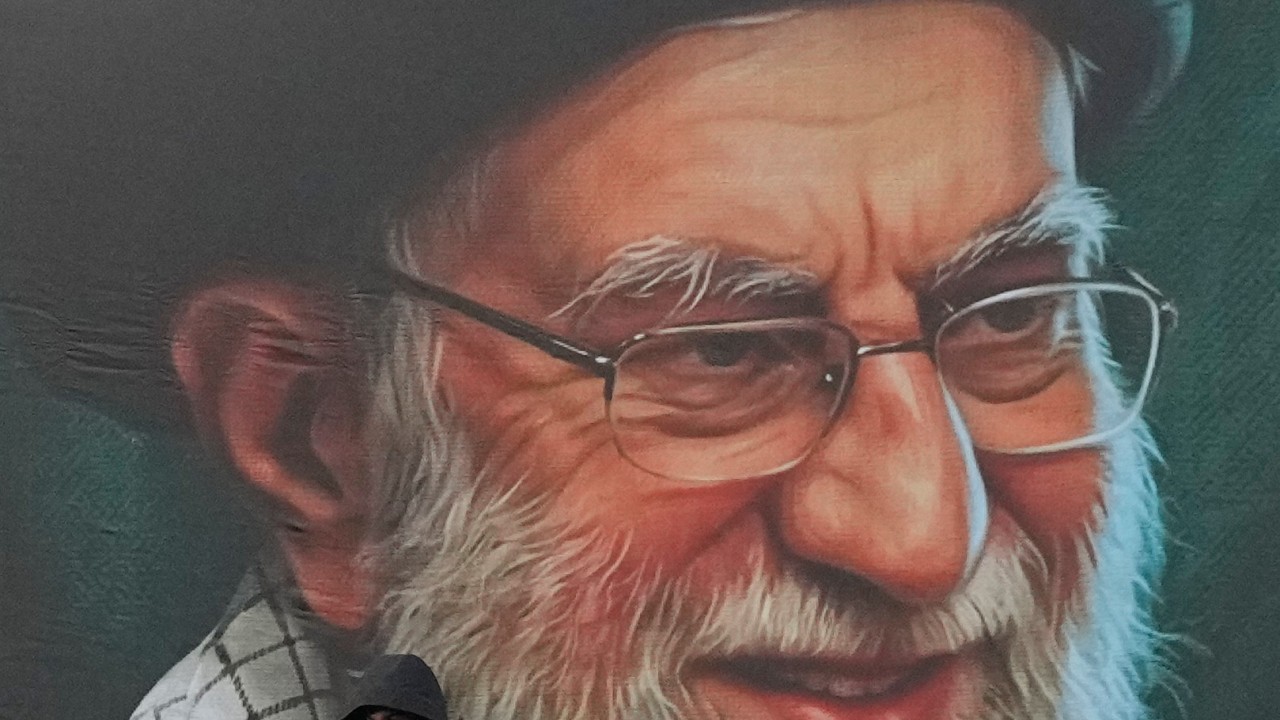
The current Supreme Leader, Ali Khamenei, is in his mid-80s. The question of who follows him is the most critical issue facing the Islamic Republic. The sudden death of Ebrahim Raisi, once considered a frontrunner for the position, in a helicopter crash earlier this year, already threw the regime’s plans into a tailspin. Israel is now exploiting this vacuum.
When a state declares that the next leader is a target, it creates an immediate intelligence requirement for the target state. Iran must now obsessively protect every person who might be the successor. This drains resources. It creates paranoia. It leads to internal purges, as various factions within the IRGC and the clergy begin to suspect one another of leaking locations or vetting processes to the Mossad.
The Global Fallout of a Decapitation Policy
This aggressive posture puts the United States and European allies in a precarious position. Washington has long sought to prevent a direct regional war that would collapse global energy markets and pull American troops back into a Middle Eastern quagmire. An Israeli policy that explicitly targets the future head of a sovereign state makes "de-escalation" almost impossible.
There is also the risk of the "Hydra Effect." In the world of intelligence and counter-terrorism, killing a leader often results in the emergence of a younger, more radical, and more competent replacement. The Islamic Republic’s power is not held solely by one man; it is distributed through the IRGC’s economic and military empire. Removing the Supreme Leader might not collapse the system; it might simply remove the last vestiges of traditional clerical caution, handing total control to the most hardline elements of the Revolutionary Guard.
Furthermore, this policy sets a new and dangerous precedent in international relations. If the "next leader" is a legitimate target, the definition of combatant becomes infinitely elastic. It invites a reciprocal response. Tehran’s own "Unit 840" and other external operations branches have already been linked to plots against Israeli officials abroad. An open declaration of intent to eliminate the Supreme Leader’s successor could trigger a global hunt for Israeli and Western political figures.
The Intelligence Gap and the Risk of Miscalculation
The effectiveness of this strategy relies entirely on the quality of Israel's human intelligence (HUMINT) and signals intelligence (SIGINT). To kill a successor, you first have to know who it is. Given the secretive nature of the Assembly of Experts, even the Iranian public is often in the dark about the ranking of candidates.
If Israel strikes the "wrong" person—someone they believe is the successor but who is actually a secondary figure—they risk the massive political cost of a high-profile assassination without the strategic benefit of disrupting the leadership transition. Conversely, if they wait until the successor is officially named and inaugurated, the window of vulnerability may close as the new leader moves into the most protected bunkers in the country.
Economic and Social Pressures as Force Multipliers
Jerusalem isn't operating in a vacuum. The threat of elimination is being issued while Iran is grappling with a crippled economy, a devalued currency, and a population that has grown increasingly bold in its dissent. The Israeli defense establishment is betting that the regime is more brittle than it appears.
By targeting the leadership, Israel is effectively telling the Iranian people that the "head of the snake" is the only thing standing between them and a different future. It is a form of psychological warfare intended to embolden domestic opposition. If the leadership appears weak, hunted, and incapable of protecting even its own successors, the aura of invincibility that keeps the Basij and the police loyal begins to flicker.
The Nuclear Threshold and the Final Gamble
The most urgent driver of this "target for elimination" policy is Iran's nuclear progress. With enrichment levels hovering near weapons-grade, the time for "mowing the grass" is over. Israel is signaled that it will not allow a nuclear-armed Iran to be led by a new, potentially more aggressive Supreme Leader.
This is the ultimate gamble. Israel is betting that Tehran, fearing for its life, will blink. But the history of the Islamic Republic suggests that when the regime feels backed into a corner, its instinct is to lash out. The threat to the next leader might not prevent a war; it might be the very thing that starts it. Jerusalem is no longer content with managing the conflict. It is now actively trying to force a conclusion, regardless of the chaos that follows.
Would you like me to analyze the specific IRGC command structures that Israel would likely target in the event of a leadership transition?
---