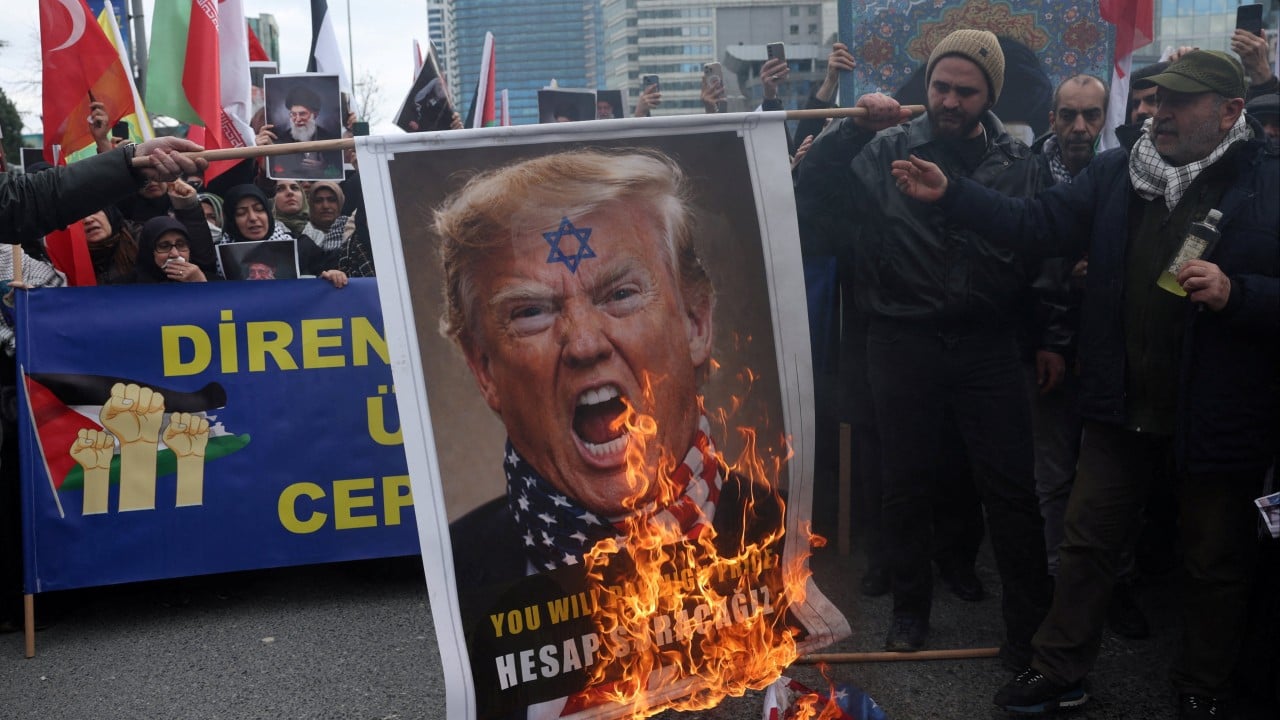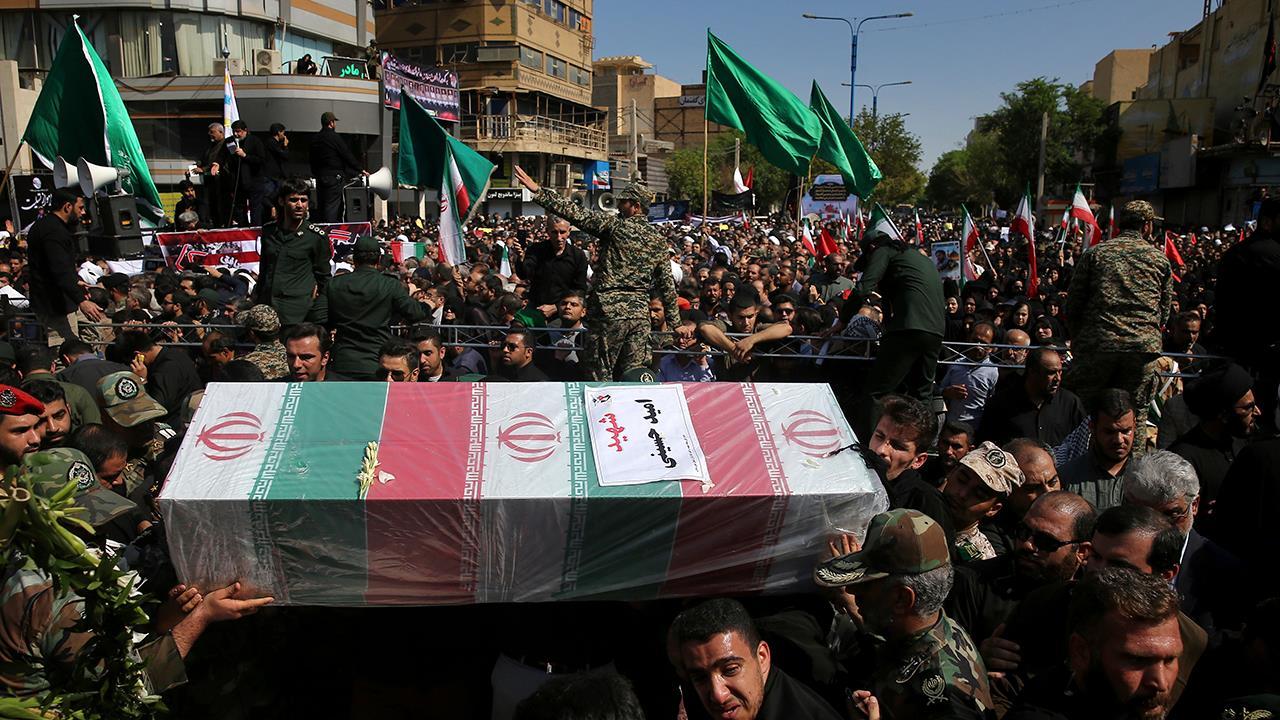
The headlines are predictable. They scream about "legitimate duties" and "sovereign rights" to avenge fallen leaders. The mainstream press treats these proclamations from Tehran as if they are precursors to an inevitable, world-ending escalation. They take the bait every single time.
If you’re reading the standard analysis, you’re being fed a diet of surface-level fear. The reality is far more clinical and, frankly, far more desperate for the Iranian regime. When a state spends more time talking about the "right" to punch back than actually throwing the punch, they aren't signaling strength. They are managing a decline.
The Ritual of Empty Rhetoric
Every time a high-ranking official or a proxy leader is eliminated, the script remains the same. The "Axis of Resistance" gathers, the flags are waved, and the word "revenge" is repeated until it loses all semantic meaning.
The media calls this a "rising tide of tension." I call it a theater of necessity.
For the Iranian leadership, these public vows of vengeance serve a domestic function, not a military one. They are intended to soothe a hardline base that is increasingly frustrated by the regime's inability to protect its own. When you can’t stop a precision strike in the heart of your capital, you don't reach for a missile—you reach for a microphone.
The "legitimate duty" rhetoric is a pressure valve. It’s a way to buy time while avoiding the one thing that would actually end the regime: a full-scale conventional war they know they would lose.
The Myth of the Rational Escalation
Most analysts assume that Iran is weighing a "proportional response." They treat it like a game of chess where every move has a logical counter-move. This is the first mistake of the armchair general.
Iran isn't playing chess; they are playing a survival horror game.
They understand the asymmetry of power better than the pundits in Washington or London. Their entire strategy for forty years has been based on "strategic patience"—a polite term for "waiting until the other guy gets bored and goes home."
- The internal rot: The Iranian economy is a shambles. Inflation is a permanent guest. The youth population is disconnected from the 1979 ideology.
- The military gap: Their air force is a flying museum of 1970s American hardware and questionable domestic clones.
- The proxy fatigue: Groups like Hezbollah and the Houthis are effective, but they aren't a substitute for a state’s survival.
When the President of Iran speaks about a "duty" to avenge, he is acknowledging a debt he has no intention of paying in full. A real strike—one that actually hurts the adversary—invites a return blow that the current Iranian infrastructure cannot absorb.
Why the "Sovereign Right" Argument is a Trap
The Hindu and other outlets focus on the legalistic framing: the idea that Iran has a legal basis for retaliation under international law. This is a distraction.
International law in the Middle East is a ghost. It’s something people cite when they’ve already lost the kinetic battle.
By focusing on the "right" to respond, the regime is trying to frame their inevitable inaction (or their symbolic, telegraphed response) as a choice. It’s the geopolitical equivalent of a guy being held back in a bar fight, shouting "Hold me back or I'll kill him!" while secretly hoping his friends don't let go.
I’ve spent years watching these cycles. In 2020, after the Soleimani strike, the world held its breath. The "crushing revenge" turned out to be a series of missiles fired at an airbase where the soldiers had already been warned to take cover. It was a choreographed performance designed to save face without starting a fire.
The Intelligence Vacuum
The real story isn't the threat of revenge. The real story is the catastrophic intelligence failure that allowed the hit to happen in the first place.
If you are a "regional superpower" and you cannot secure a high-profile guest in your own backyard, your "sovereign rights" are the least of your problems. The Iranian security apparatus is compromised. It’s riddled with leaks, informants, and technical vulnerabilities.
Instead of asking "When will Iran strike back?", we should be asking "How deep does the infiltration go?"
Every bold statement from the presidency is a smoke screen to hide the fact that their inner sanctum is glass. They are shouting to drown out the sound of their own foundations cracking.
Stop Falling for the Brinkmanship
The "counter-intuitive" truth is that the more aggressive the rhetoric, the less likely a meaningful kinetic response becomes.
Aggressors don't announce their intentions on the evening news. They don't frame their military strategy as a "moral duty." They just execute.
When you see a headline about "avenging killings," you aren't reading news. You are reading a press release from a marketing department that happens to own some centrifuges. They are trying to convince their allies they are still relevant and their enemies that they are still dangerous.
They are failing at both.
The status quo is a loop of performative outrage. Breaking that loop requires acknowledging that Iran is currently a wounded actor with very few good cards left to play. They are boxed in by their own geography, their failing economy, and a technological gap that is widening by the hour.
The Hard Truth for the West
We have a strange addiction to making our enemies look ten feet tall. It justifies bloated budgets and endless "strategy sessions." But calling Iran’s bluff is the only way to see the reality of the board.
They are not a looming monolith of unstoppable religious fervor. They are a cynical, aging autocracy trying to survive one more week without the lights going out.
Their threats of revenge aren't a promise of future action; they are a confession of current impotence.
Next time a spokesperson stands behind a podium and talks about "red lines" and "legitimate rights," don't check the bunkers. Check the exchange rate of the Rial. Look at the protests in the provinces. Listen to the silence of the generals who know exactly what happens if they actually follow through on the President's metaphors.
The "revenge" has already happened—it’s the slow, grinding realization that the regime's shadow is much larger than the regime itself.
Stop reading the subtitles and start watching the actor’s hands. They are shaking.