Placing a massive, heat-generating server farm in a desert where summer temperatures regularly hit 50°C sounds like the setup for a bad joke. Yet, the Gulf is currently the hottest real estate market for data centres on the planet. AWS, Microsoft, and Google are pouring billions into Saudi Arabia, the UAE, and Qatar. They aren't doing it because the climate is friendly. They're doing it because of geopolitical gravity and the sheer necessity of local latency.
But we need to talk about the physical reality of these builds. Data centres are essentially giant radiators. In a temperate climate, you can sometimes use "free cooling" by just pulling in outside air. In Riyadh or Dubai, that’s a death sentence for hardware. You’re fighting a constant battle against ambient heat that wants to cook your CPUs. We've reached a point where the engineering required to keep these facilities alive is pushing the limits of what’s sustainable.
The Water Problem Nobody Wants to Discuss
Most people think data centres just eat electricity. That’s only half the story. To keep things cool without skyrocketing their power bills, many operators use evaporative cooling. This involves spraying water onto cooling pads to lower the air temperature. It’s efficient for the power grid, but it’s a disaster for water-stressed regions.
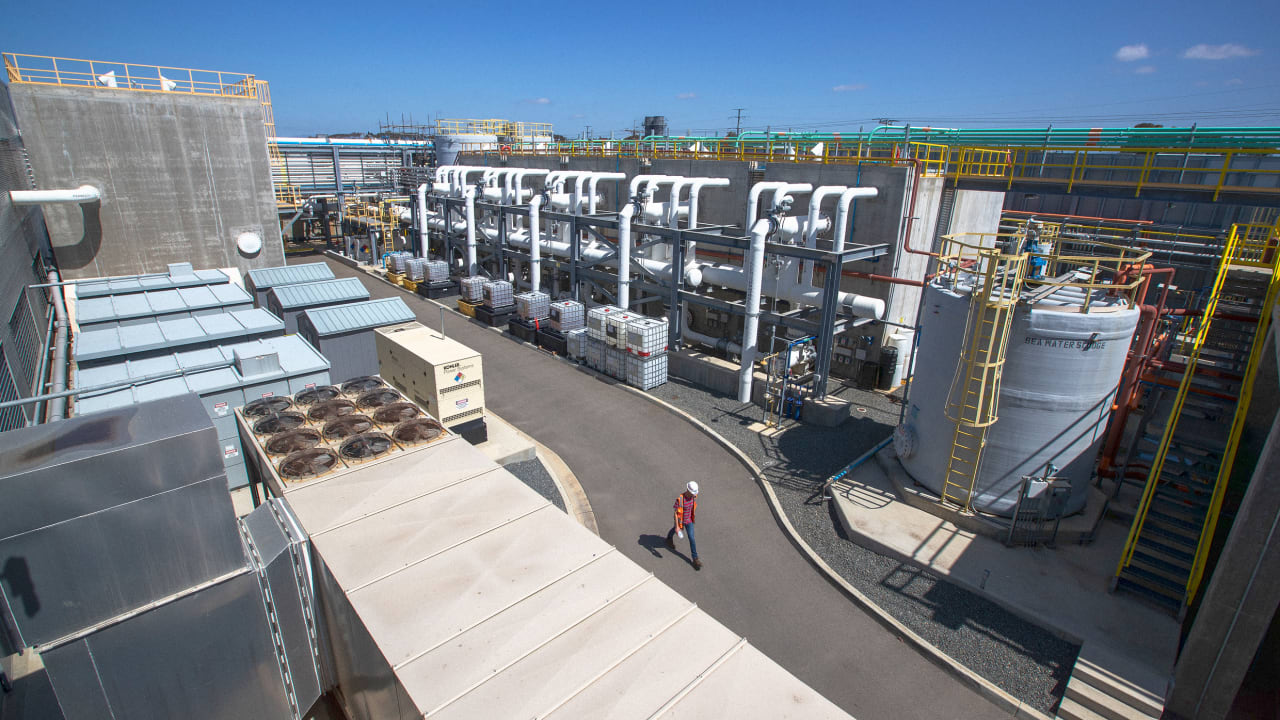
In the Gulf, fresh water doesn't just fall from the sky. It comes from desalination plants. These plants are incredibly energy-intensive and leave behind high-salinity brine that gets pumped back into the ocean, damaging marine ecosystems. When a data centre in a desert claims to be "green" because it has a low Power Usage Effectiveness (PUE) score, they're often hiding a massive Water Usage Effectiveness (WUE) problem. You’re trading carbon for salt.
I’ve seen designs where facilities consume millions of gallons of water a day. In a region where water is more precious than oil, that’s a hard sell for the long term. Some newer builds are moving toward closed-loop liquid cooling or "dry" cooling, but these are more expensive and less efficient in extreme heat. We're essentially building digital cathedrals in a place that’s actively trying to melt them.
Why Latency Trumps Logistics
If it’s so hard to build there, why bother? Why not just host everything in Marseille or Frankfurt and beam it over?
The answer is 100 milliseconds.
That’s the delay users in Riyadh feel when they access a server in Europe. It doesn't sound like much. But for a high-frequency trading platform, a sovereign AI model, or a government-mandated "data residency" law, 100 milliseconds is an eternity. Saudi Arabia’s Vision 2030 and the UAE’s push to become an AI superpower mean they can’t afford to have their data sitting in a basement in Virginia.
Localizing data isn't just about speed; it's about control. Governments in the region are increasingly wary of "digital colonialism." They want their citizens' data under their own jurisdiction. This political pressure creates a vacuum that even the most hostile climate can't stop. Big Tech follows the money and the mandates. Even if it means fighting the laws of thermodynamics every single day.
The Dust and Sand Factor
Heat isn't the only enemy. Sand is everywhere. It’s fine, it’s abrasive, and it gets into everything. Standard air filtration systems that work in Dublin or Iowa fail miserably during a Shamal windstorm in the Gulf.
I’ve talked to site managers who’ve had to replace high-grade filters every few weeks because they were completely choked with fine particulate matter. If that dust reaches the server racks, it creates a layer of insulation on the components, causing them to overheat even if the room air is cool. It can also cause "zinc whiskers" or conductive bridges that short out motherboards.
Building a data centre here requires a level of hermetic sealing that’s more akin to a laboratory or a space station. Every entrance needs air locks. Every intake needs multi-stage filtration. These aren't just warehouses with fans. They're fortified bunkers designed to keep the environment out.
Rethinking the Architecture of the Desert
The "old" way of building—basically a big box with giant air conditioning units on the roof—won't survive the next decade of Gulf expansion. We’re seeing a shift toward more radical cooling technologies.
Immersion Cooling is the Real Contender
Instead of cooling the air, some operators are dunking the servers directly into vats of non-conductive, dielectric fluid. This liquid is much better at whisking away heat than air ever could be. It also solves the dust problem because the servers are completely submerged.
It’s messy to maintain. If a technician needs to swap a RAM stick, they’re pulling a dripping wet server out of a tank. But in a 50°C environment, it might be the only way to reach the densities required for modern AI workloads without the whole building catching fire.
Subsea Potential
There’s also talk of "Microsoft Natick" style deployments—putting data centres on the seafloor. The Arabian Gulf is shallow and warm, so it’s not as ideal as the North Sea, but it’s still cooler than the surface air. The logistical hurdles are massive, but as land-based cooling costs climb, the ocean looks more like a giant, free heat sink.
The Grid Pressure
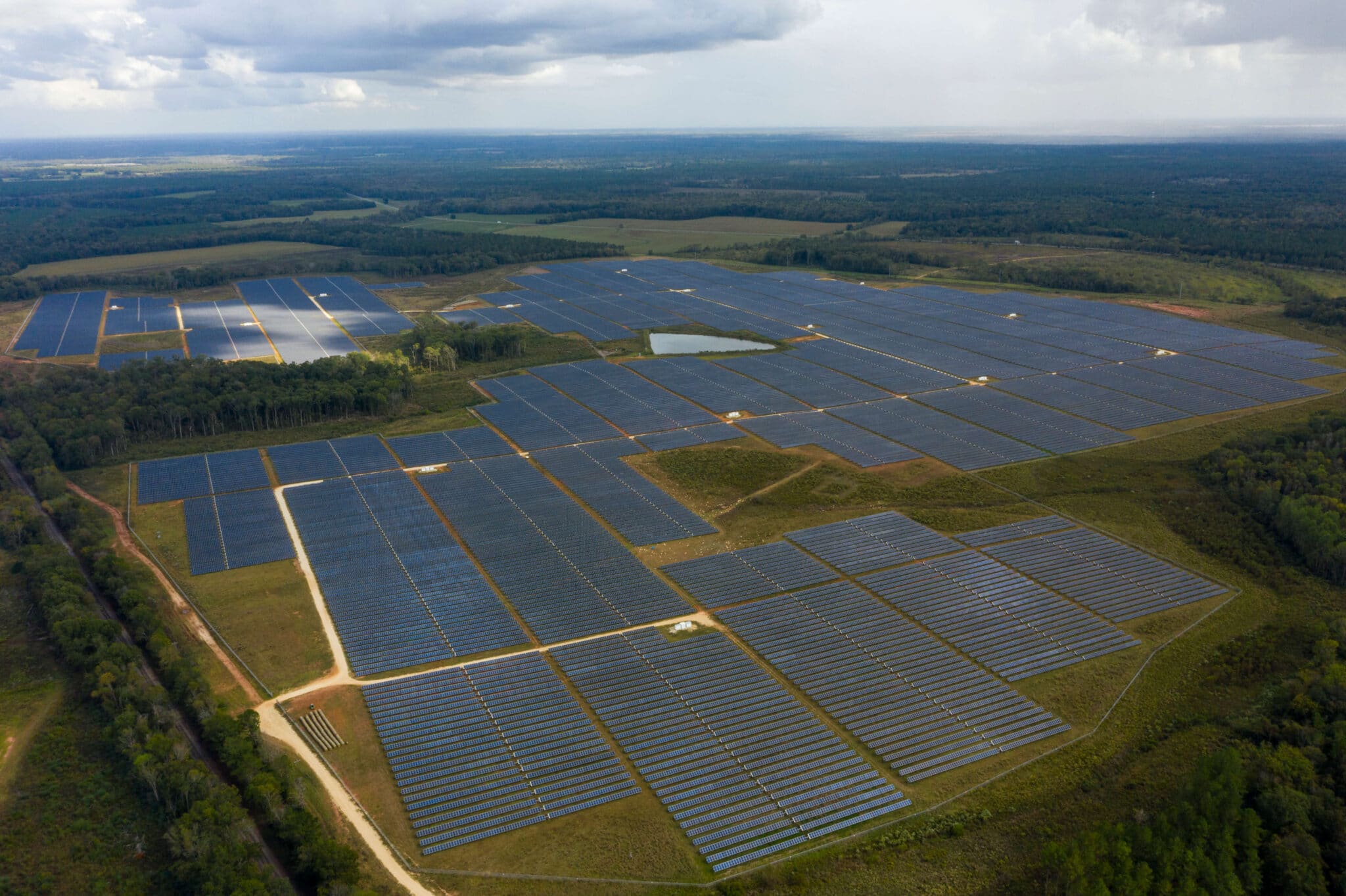
The Gulf states are currently rich in energy, transitioning rapidly toward solar. That’s a massive plus. A data centre powered by a massive solar farm in the Neom desert makes a lot of sense on paper. The problem is the "duck curve." Data centres need 24/7 power. Solar only provides it during the day.
This means these hubs still rely heavily on the natural gas grid for baseload power at night. Until long-duration energy storage (like massive battery arrays or green hydrogen) becomes viable, these "green" data hubs are still tethered to fossil fuels. We're seeing a massive infrastructure race where the power grid is struggling to keep up with the sheer scale of the chips being plugged in.
Moving Toward a Hard Reality
We can't just stop building these things. The digital economy of the Middle East is growing faster than almost anywhere else. But we have to stop pretending that a data centre in the desert is the same as one in Scandinavia.
If you're an investor or a CTO looking at the Gulf, you need to look past the shiny brochures. You have to ask about the brine discharge from the desalination plants. You have to check the filtration specs for sandstorms. You have to ensure they aren't just burning gas all night to keep the lights on.
The next step is moving away from the "PUE-only" mindset. Start demanding transparency on water consumption and heat reuse. In some parts of the world, data centre waste heat is used to warm homes. In the Gulf, we need to find ways to use that heat for industrial processes or even more desalination. It’s about turning a waste product into a resource.
Don't settle for "efficient" designs that were meant for a different climate. Demand hardware that's built for the heat. Look for operators who are committed to liquid cooling and local renewable storage. The gold rush is on, but only the builds that respect the desert's reality will be standing in twenty years.