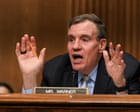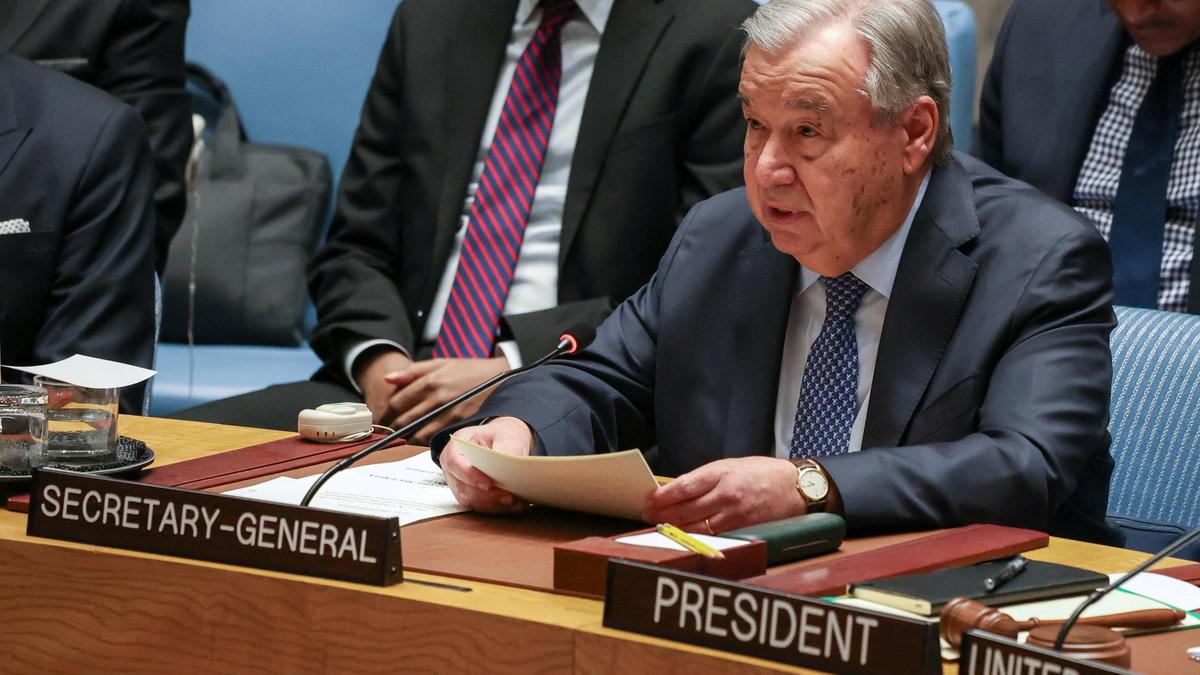
The air inside the United Nations Security Council chamber is deceptively still. It is a room of thick carpets, muted lighting, and the rhythmic, metallic click of translation headsets being adjusted. From the gallery, the delegates look like figurines on a chessboard. But look closer at their hands. You will see the white-knuckled grip on a fountain pen, the frantic drumming of fingers against mahogany, or the way a diplomat wipes beads of sweat from a brow despite the aggressive air conditioning.
This is where the world’s most dangerous friction occurs.
Recently, that friction reached a searing heat. The table was set for a confrontation that felt less like a diplomatic meeting and more like a countdown. On one side, the United States and Israel. On the other, Iran. In the middle, a Portuguese man named António Guterres, whose job is to convince the world not to set itself on fire.
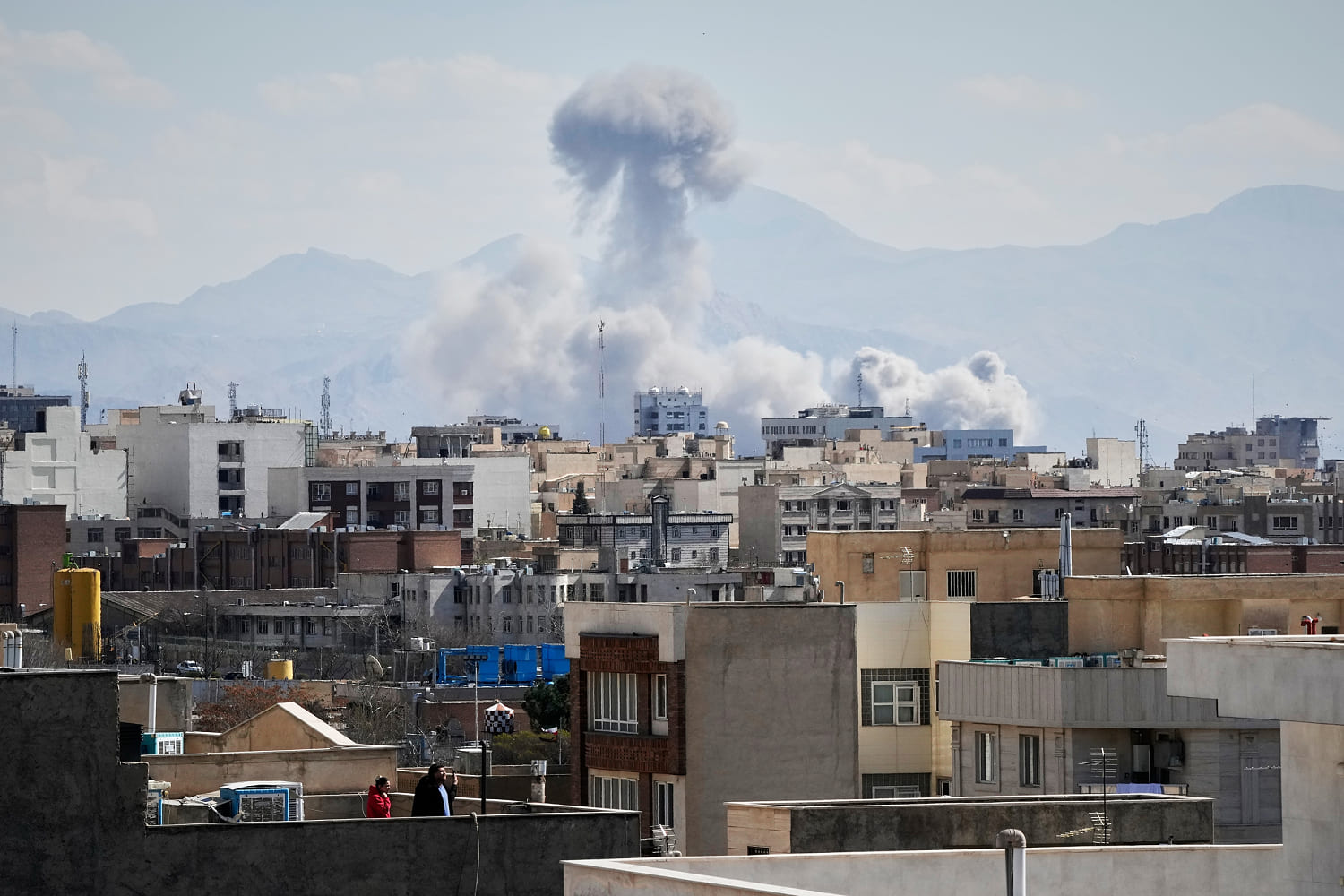
He spoke of a "chain of events." It is a bloodless phrase for a terrifying reality. In the language of physics, a chain reaction is what happens inside a nuclear reactor or a bomb. In the language of the Middle East, it is the moment a single drone strike in a desert becomes a missile barrage over a city, which becomes a regional scorched-earth policy, which finally becomes a global catastrophe that reaches into your bank account, your gas tank, and your children’s future.
The Anatomy of a Shouting Match
When the U.S. Ambassador stands to speak, the room shifts. The rhetoric is sharp. It is an indictment of shadow wars and the "axis of resistance." The accusation is simple: Iran is the architect of the chaos, the hand inside the glove of every militia currently disrupting the global flow of trade.
Then comes the Israeli response. For them, this isn't about policy papers or maritime law. It is existential. They speak of the sky filled with iron and fire, of the seconds a family has to reach a shelter when the sirens wail. The words are designed to puncture the sterile atmosphere of the New York chamber and replace it with the smell of smoke.
But then, the Iranian representative takes the floor. The narrative flips. Now, the roles of "aggressor" and "victim" are traded like playing cards. They speak of sovereignty. They speak of decades of Western interference and the right to defend one's borders.
To an outsider, it feels like a playground argument scaled up to the size of empires. "He hit me first." "But he was holding a stick."
The tragedy of the Security Council is that everyone is telling a version of the truth, but no one is reading from the same book. The facts are the same—missiles were fired, borders were crossed—but the "why" is a chasm that no amount of polished prose can bridge.
The Invisible Stakes at Your Front Door
We often treat these headlines as a distant thunder. We hear the rumble and think, that’s a long way off. We assume that as long as the diplomats are talking, the bullets stay in the chambers.
Consider a hypothetical merchant sailor. We’ll call him Elias. Elias is currently on a container ship in the Red Sea. He isn't a politician. He doesn't care about the nuances of 1970s Iranian history or the specific wording of a 2231 Resolution. He cares about the fact that his ship is a target. He cares that the insurance premiums for his vessel have spiked so high that the company might stop the route.
When the Red Sea closes, the world gets more expensive. The coffee you drank this morning, the microchips in your phone, the grain that feeds the cattle—it all moves through these choke points. When the U.S. and Iran clash in a glass room in New York, the price of bread in a village in Egypt or a suburb in Ohio begins to tremble.
This is the "human element" that gets lost in the transcripts. Diplomacy is often discussed as a game of high-stakes poker, but in poker, only the players lose their money. In this room, if the players lose their cool, the spectators pay the debt.
The Guterres Warning
António Guterres occupies a strange, lonely position. He is the secular pope of a fractured world. When he warns of an "uncontrollable chain of events," he is describing the moment where the leaders lose their grip on the leash.
History is littered with wars that no one actually wanted. In 1914, a series of alliances and "chains of events" dragged a continent into the mud because no one knew how to stop the momentum once it started. Guterres is looking at the Middle East and seeing the same momentum.
Miscalculation.
That is the word that haunts the corridors of the UN. It’s the drone operator who gets the coordinates wrong. It’s the captain who panics when a fast boat approaches. It’s the politician who thinks a "limited strike" will be met with a "proportional response," only to find out the other side has a very different definition of proportion.
The Deadlock of the Veto
The frustration of the current moment lies in the machinery of the UN itself. The Security Council was designed to prevent World War III, and in that, it has succeeded. But it was not designed for a world where the major powers are fundamentally invested in opposite outcomes.
The Veto power is the ultimate "stop" button. It ensures that no major action can be taken without the consensus of the big players. But when the world is as polarized as it is today, the "stop" button is the only thing being pressed. The result is a paralysis that looks like peace but feels like a fever.
We are watching a theatrical performance where the actors know their lines by heart, but the audience is starting to realize the theater is made of tinder.
Beyond the Script
What happens when the cameras turn off?
The diplomats head to the delegates' lounge. They might even share a drink or a polite nod. There is a strange, professional camaraderie in the business of brinkmanship. But outside, in the real world, the "chain of events" is already rattling.
The U.S. continues to bolster its presence. Iran continues to test the limits of its influence. Israel continues to operate under the shadow of a ticking clock.
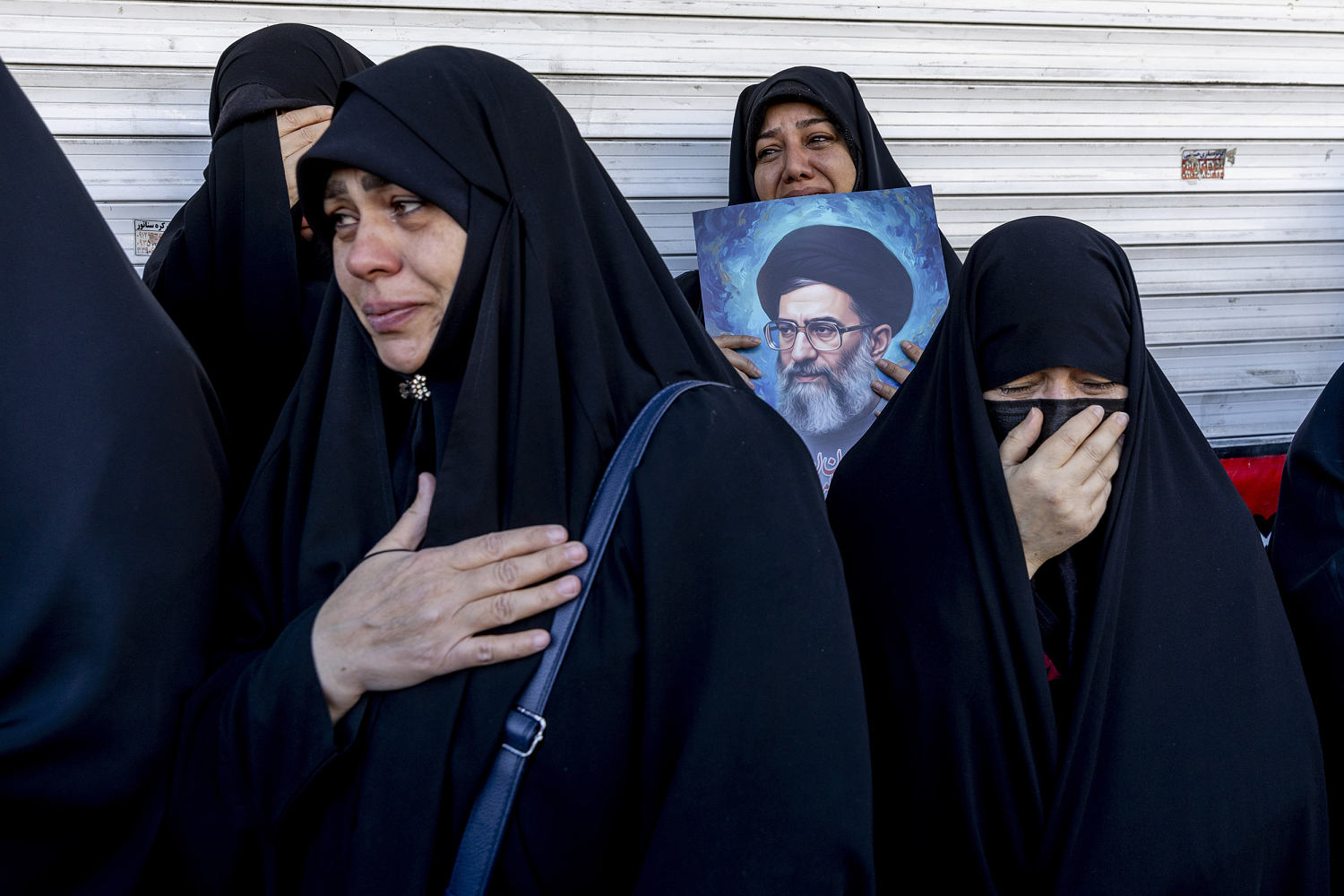
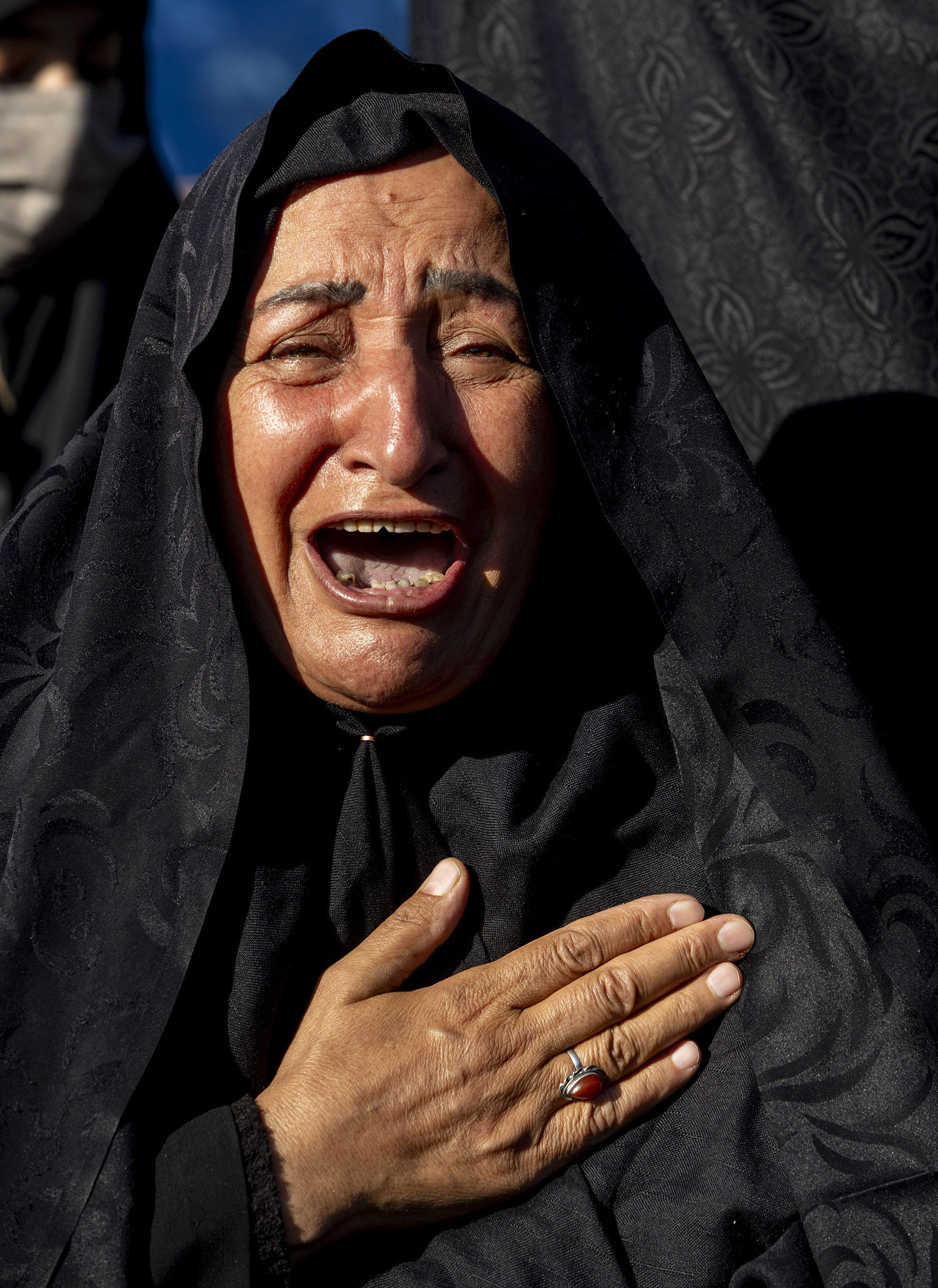
To understand this conflict, you have to look past the technical jargon of "enrichment levels" and "maritime security." You have to look at the faces of the people who live in the gaps between the headlines. The mother in Tehran wondering if the sanctions will ever lift. The father in Haifa listening for the siren. The sailor in the Red Sea looking at the horizon for a shape that shouldn't be there.
The Security Council meeting ended without a grand resolution. There was no handshake that changed the course of history. There was only a temporary silence.
The tragedy of the "chain of events" is that once the first link is forged, the rest follow with a cold, mechanical inevitability. The only way to stop it is to break the chain. But in that glass room in New York, everyone is too busy arguing over who owns the hammer.
The world waits. It watches the red lights on the translation consoles. It listens to the silence between the speeches. And it hopes that, for one more day, the chain remains just a metaphor.