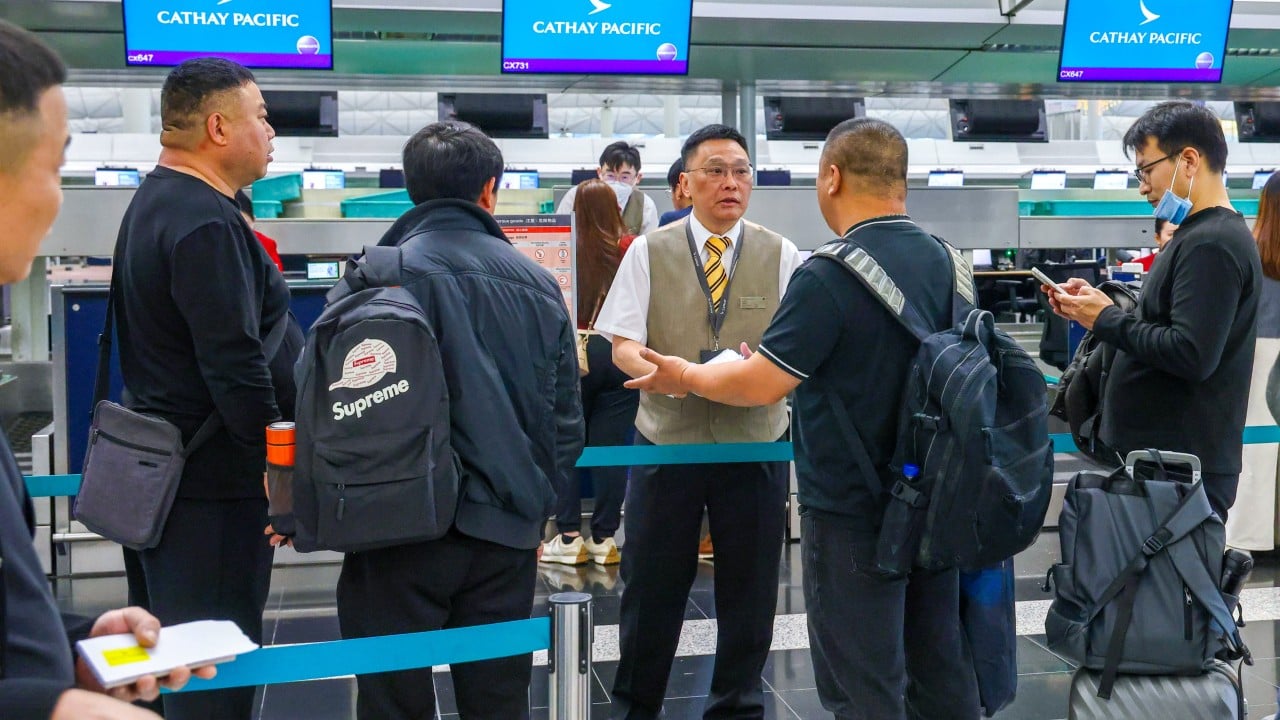
The golden image of Dubai as a seamless global transit hub has hit a jagged reality. As regional tensions escalate into airspace closures and grounded fleets, thousands of British travelers find themselves in a high-stakes limbo, caught between a geopolitical firestorm and the logistical limits of the desert state. This is no longer just a delay. It is a mass-scale diplomatic and humanitarian puzzle that has forced the United Arab Emirates to take the unprecedented step of ordering its hospitality sector to freeze evictions and absorb the cost of a growing crisis.
The directive is clear and urgent. Dubai’s Department of Economy and Tourism (DET) and Abu Dhabi’s Department of Culture and Tourism (DCT) have issued formal mandates to hotel managers across the emirates. They are to extend the stays of all guests unable to depart due to "exceptional circumstances" under the same terms as their original bookings. More importantly, the state has signaled that travelers should not be forced out if they cannot immediately settle the bill for these unplanned extensions.
The Breakdown of the Seamless Hub
For decades, Dubai International Airport (DXB) has functioned as the world’s most efficient lung, breathing in and out over 250,000 passengers a day. But that efficiency relies on a delicate atmospheric and political balance. When that balance breaks, the "Dubai model" of luxury and speed reverses into a bottleneck of historic proportions.
The current chaos stems from a cascade of airspace closures across the Middle East. With major flight paths over Iraq, Iran, and Jordan deemed unsafe or entirely blocked, Emirates and flydubai have been forced into a "red alert" suspension of operations. The resulting backlog is not merely a matter of rescheduling flights; it is a total structural clog. British families, many returning from Southeast Asia or Australia, are discovering that their "easy" layover has become a multi-day ordeal in a city where they have no legal right to remain once their visa-on-arrival or initial hotel booking expires.
The UAE government’s intervention is a calculated move to prevent a public relations catastrophe. By mandating that hotels prioritize "guest welfare" over immediate revenue, the authorities are attempting to shield the nation’s reputation. In Abu Dhabi, the government has gone even further, stating it will directly cover the extension costs for stranded visitors, allowing hotels to invoice the DCT directly.
Sovereignty and the British Response
In London, the Foreign, Commonwealth and Development Office (FCDO) is under immense pressure to accelerate evacuation plans. While the UAE is providing a temporary roof for those stuck, the logistical reality of moving tens of thousands of British nationals out of a restricted airspace zone is a nightmare of "wet-leasing" aircraft and negotiating corridors of safe passage.
The UK government’s strategy is currently focused on two fronts:
- Commercial Prioritization: Pushing British Airways and other Western carriers to utilize larger aircraft or "ghost flights" to ferry passengers from secondary hubs like Dubai World Central (DWC) or Al Maktoum.
- The "Duty of Care" Conflict: There is a growing legal friction between passengers and airlines. Under UK and EU law, airlines are required to provide food, water, and accommodation for delayed passengers. However, when the cause is "extraordinary circumstances"—like a regional conflict—the financial liability for compensation disappears, leaving travelers reliant on the goodwill of the host nation and the fine print of their travel insurance.
Many Brits on the ground report a starkly different experience depending on their location. Those stuck in the luxury high-rises of Dubai Marina are receiving vouchers and extended check-out times. Meanwhile, those diverted to smaller, cargo-centric airfields like Al Maktoum describe a bleaker scene: sleeping on terminal floors, limited access to hygiene products, and a total blackout of information from airline staff who are just as overwhelmed as the passengers.
The Hidden Cost of the Stay
While the "no-eviction" order provides a safety net, it creates a massive operational burden for the hotels. Dubai’s hospitality industry operates on razor-thin margins and high occupancy rates. A government-mandated extension of 20,000 "non-paying" guests (or guests whose payment is deferred/subsidized) ripples through the entire supply chain.
Staffing levels are being pushed to the breaking point. Laundry services, food supplies, and housekeeping schedules were not designed for a city that suddenly stopped "breathing." Some smaller hotel operators have expressed quiet concern about how quickly the government subsidies will actually reach their bank accounts. For now, they must comply. The alternative—turning families out into a city gripped by a regional security alert—would be an act of commercial suicide in a country that values its "visitor-first" brand above almost all else.
Geopolitical Fragility
This crisis highlights the inherent fragility of the UAE’s position as a global crossroads. It is a neutral ground that depends entirely on the stability of its much more volatile neighbors. When the skies close, the Burj Khalifa and the luxury malls become gilded cages.
The UAE’s General Civil Aviation Authority (GCAA) has reportedly assisted over 20,200 passengers with temporary housing and meals in the last 48 hours alone. This is an administrative feat, but it is not sustainable. The longer the airspace remains contested, the more the burden shifts from a "travel hiccup" to a genuine humanitarian challenge.
British travelers are being told to stay away from the airports unless they have a confirmed rebooking. This is a difficult pill to swallow for someone whose hotel room is technically "extended" but whose life is on hold. The reality is that the UK’s evacuation plans will likely take a week or more to fully clear the backlog. Until then, the "no-eviction" order is the only thing standing between thousands of tourists and the harsh reality of a city that was never built to stand still.
Check your travel insurance policy immediately for "Travel Abandonment" or "Delayed Departure" clauses, as the government-mandated hotel extensions may not cover incidental costs like international phone bills or essential medication replacements.