Fear is a low-yield asset.
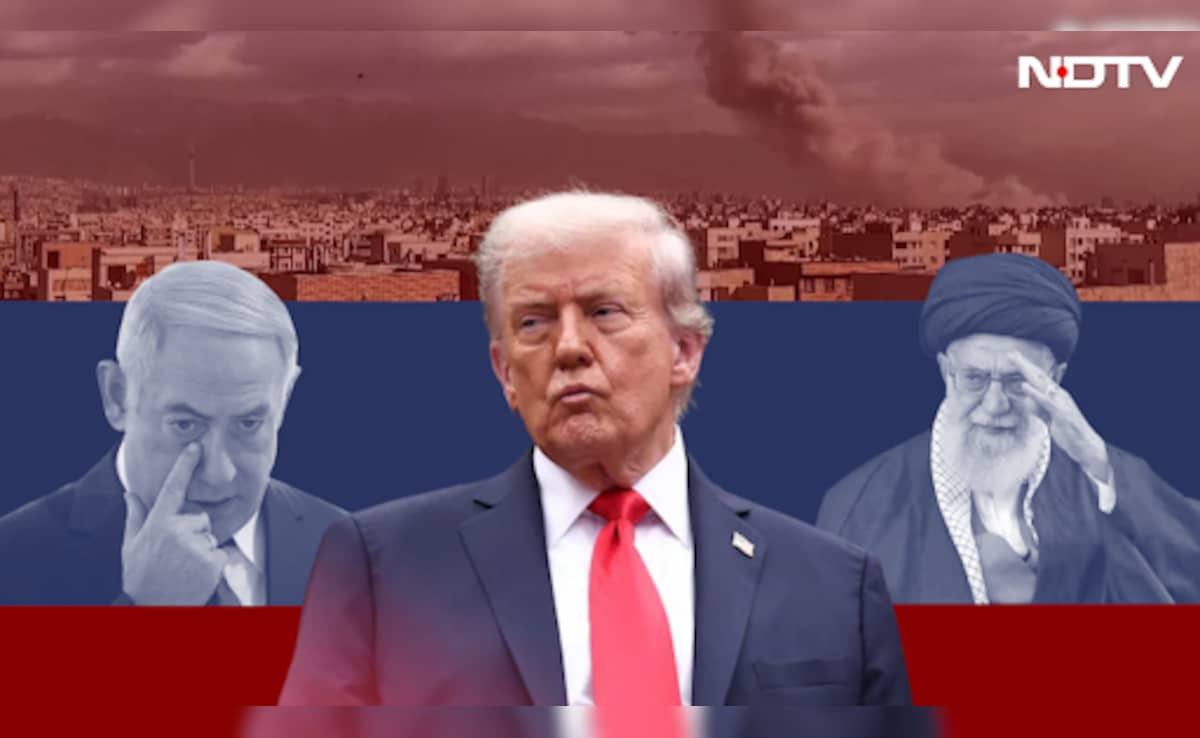
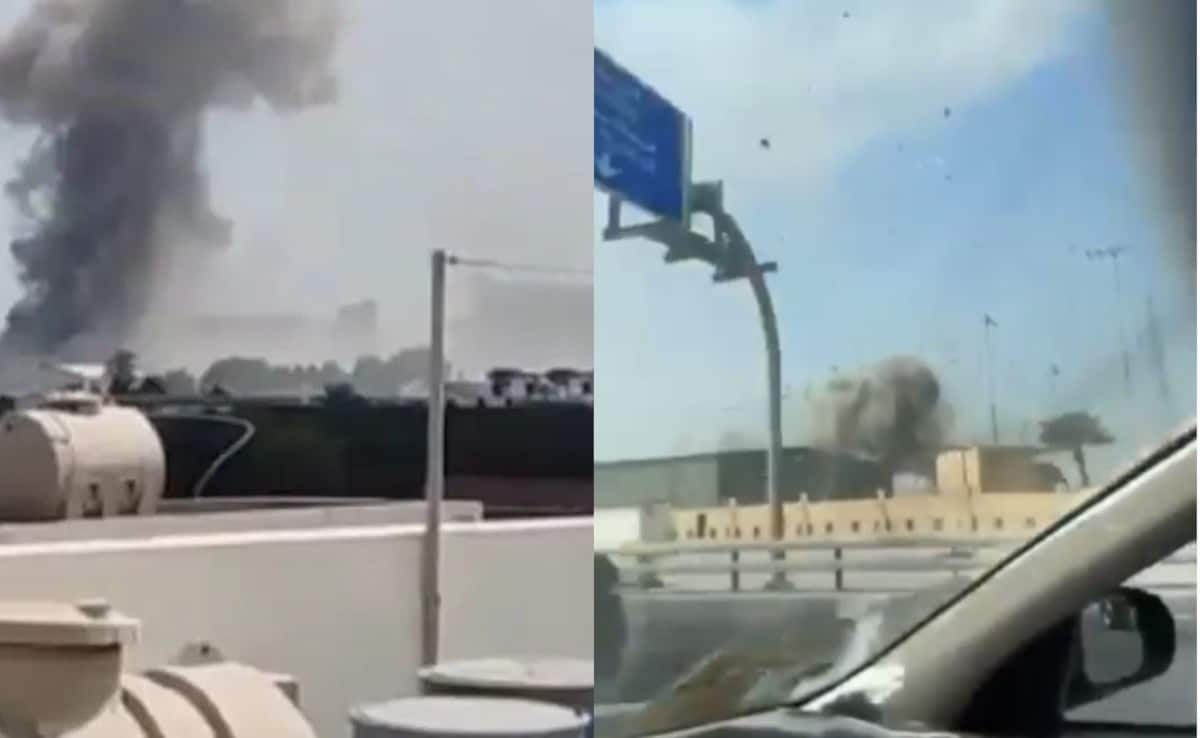
Whenever a missile crosses a border in the Middle East, the standard media playbook kicks in. We see the same tired tropes: "Leave now" or "Stay calm" headlines, frantic vox pops from expats in Dubai Marina, and a manufactured sense of impending doom. It’s a lazy, reactive narrative that ignores the cold, hard mechanics of how the Gulf actually functions.
The consensus is that regional instability is the enemy of the UAE’s growth. The consensus is wrong.
In reality, the UAE—and specifically the Dubai-Abu Dhabi axis—has mastered the art of being the "Last Man Standing." While the headlines scream about Iran-Israel tensions or Red Sea shipping lanes, the smart money isn’t booking a flight to London or New York. It’s doubling down on the sand. Here is why the "threat" of regional conflict is actually the strongest marketing campaign the UAE never had to pay for.
The Geopolitical Insurance Policy
Most observers treat regional tension as a binary: war or peace. They miss the third state: profitable friction. The UAE does not exist in spite of regional volatility; it thrives because of it. Since the 1970s, every major regional upheaval has resulted in a massive net influx of capital and human talent into the Emirates. When Lebanon fractured, the bankers moved to Dubai. When the Arab Spring tore through North Africa and the Levant, the regional HQs followed.
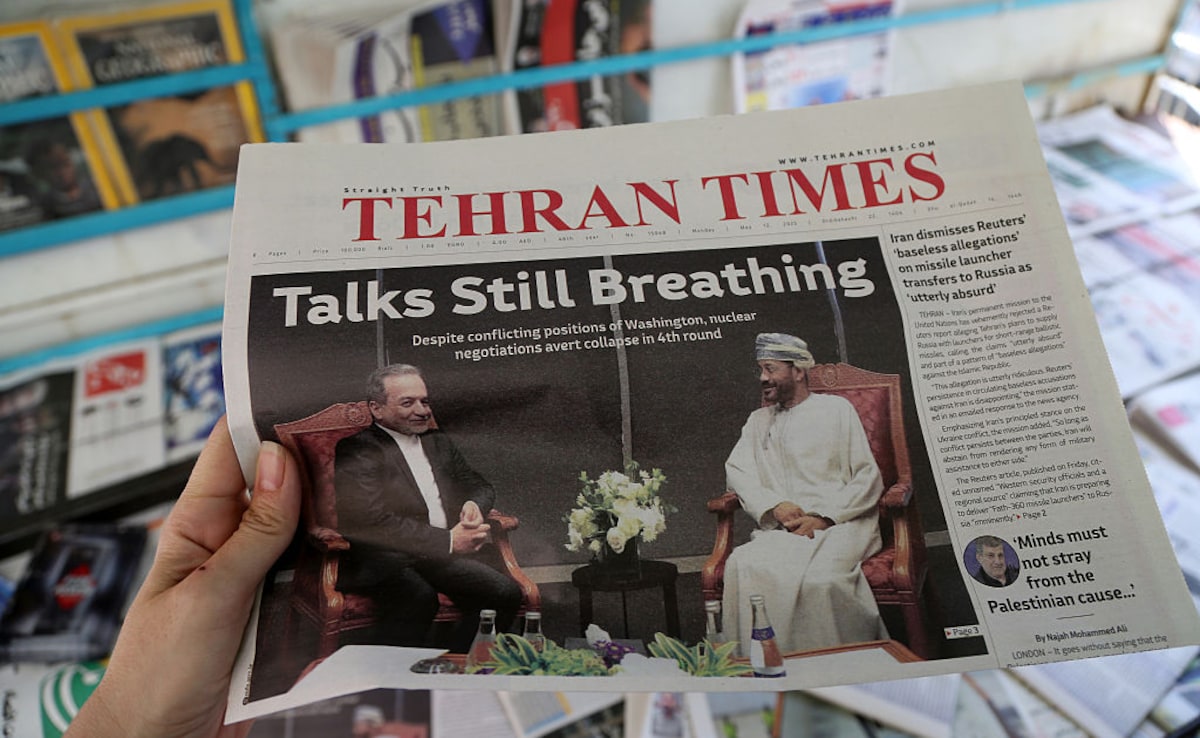
The current tension with Iran is no different. The "Stay Calm" vs. "Leave Now" debate is a distraction for the middle class. The ultra-high-net-worth individuals (UHNWIs) know that the UAE is the only neutral ground with a functioning banking system and a Tier-1 air defense shield.
The UAE operates on a principle of Antifragility. Like a muscle that gets stronger under stress, the country’s infrastructure and legal frameworks are built to absorb the shocks of its neighbors. When the neighborhood is on fire, the man with the fireproof house and the most comfortable guest rooms becomes the most powerful person on the block.
The Myth of the Vulnerable Expat
We need to stop pretending that an expat’s decision to stay or go is a barometer for national stability.
The media loves to interview a terrified recruitment consultant from Surrey who is "thinking about his options" because of a drone strike 800 miles away. This is noise. The people who move the needle—the sovereign wealth fund managers, the oil titans, and the logistics moguls—aren't looking at the sky. They are looking at the balance sheets.
Compare the "perceived risk" of a missile strike in the Gulf to the "actual risk" of holding assets in a Western economy plagued by 40-year high inflation, crumbling infrastructure, and predatory taxation.
- Risk A: A kinetic event that is 99% likely to be intercepted by a multi-layered defense system.
- Risk B: The slow, certain erosion of 5-8% of your purchasing power every year via monetary debasement in "safe" jurisdictions.
I’ve seen portfolios wiped out by "stable" Western policy far more often than by regional kinetic conflict. Choosing to "leave" the UAE for the "safety" of Europe right now is like jumping out of a sturdy boat because you saw a wave, only to land in a whirlpool.
The Defense Shield is Not Just Military
Critics point to the proximity of Iranian assets as a fatal flaw. They are calculating distance, but they aren't calculating interdependence.
The "Leave Now" crowd forgets that Dubai is the primary clearinghouse for regional trade, including the very entities they fear. There is a reason the lights stay on. In a globalized economy, you don't blow up your own laundromat.
Furthermore, the UAE’s investment in defense is not merely about hardware like the Terminal High Altitude Area Defense (THAAD) or Patriot batteries. It’s about diplomatic redundancy. By maintaining open lines of communication with every major player—from Washington and Beijing to Moscow and Tehran—the UAE has created a diplomatic moat that is far more effective than any physical wall.
If you are panicked about "what happens next," you are fundamentally misunderstanding the role of a hub. A hub is designed to stay operational when the spokes break.
The Zero-Tax Premium on Risk
Let’s talk about the "Risk Premium." In finance, you are compensated for taking on risk. In the UAE, you get the compensation (zero personal income tax, high safety, world-class infrastructure) without actually bearing the risk that the Western media insists is there.
If the UAE were as dangerous as the headlines suggest, the insurance premiums for shipping and aviation would have permanently shuttered the economy years ago. They haven't. The markets have priced in the Iranian threat for decades. It is a known variable. It is a "priced-in" volatility.
The real danger isn't a missile; it’s the herd mentality. When the "Leave Now" narrative gains steam, it creates a temporary dip in real estate sentiment or luxury spending. For the contrarian investor, this is a gift. It’s a liquidity event. I have seen savvy players pick up prime assets in Downtown Dubai and Saadiyat Island during "crises" that turned out to be nothing more than a tense weekend on Twitter (now X).
Stop Asking if it is Safe
The question "Is it safe?" is the wrong question. It’s a civilian question. The professional question is: "Where is my capital most protected from state overreach and systemic collapse?"
- Europe? Buried under the weight of a dying demographic and energy insolvency.
- The US? Fractured by internal polarization and a weaponized legal system.
- The Gulf? A clear, unapologetic focus on economic growth, security, and technological dominance.
The residents of Dubai and Abu Dhabi shouldn't be "staying calm." They should be leveraging the fear of others. While the tourists hesitate, the residents should be locking in their long-term stakes.
The UAE has successfully decoupled its economic trajectory from the geopolitical chaos of its geography. It is a "Network State" in the making, one that uses its physical location as a gateway but its digital and financial infrastructure as its true territory.
The Brutal Reality of "Leaving"
For those actually packing bags, where exactly are you going?
The irony of the "Leave Now" sentiment is that it usually points toward cities where crime is soaring, public services are failing, and the cost of living is detached from reality. You are trading a 0.001% chance of a security event for a 100% chance of a lower quality of life.
That is not a strategic move. It is an emotional retreat.
The UAE is the world's most successful experiment in functional governance. It provides the one thing that modern democracies can no longer guarantee: Predictability. You know the rules. You know the tax rate. You know the streets are safe at 3:00 AM. In a world of chaotic "democracy" and failing states, that predictability is worth more than any hypothetical peace treaty.
The drones can fly and the warships can sail. As long as the UAE remains the primary point of convergence for global capital, the "threat" is nothing more than background noise.
If you're waiting for a period of "perfect peace" in the Middle East to build your life or business, you’ll be waiting forever. The winners are those who recognize that the UAE’s stability is forged in the fire, not by avoiding it.
Stop checking the news and start checking your entry points. The panic of the masses is your greatest market advantage. If you can’t handle the heat of a headline, you don't deserve the rewards of the hub.
Buy when the sirens are silent but the headlines are screaming. Everything else is just noise.