Dubai usually makes news for its record-breaking skyscrapers or lavish beach clubs. Yesterday, the narrative shifted. A drone strike triggered a limited fire in the immediate vicinity of the US Consulate, and while authorities extinguished the flames quickly, the implications are still smoldering. You’ve probably seen the official statement from the Dubai Media Office by now. It was brief. It was controlled. It was designed to keep people calm.
But "limited fire" doesn’t tell the whole story. When a drone reaches a high-security zone like a diplomatic mission in the heart of the UAE, it’s not just a localized fire. It’s a message. It's a breach of a bubble that most expats and investors thought was impenetrable.
What actually happened on the ground
Early reports indicate the incident occurred in the Al Seef area, a bustling district that blends traditional Emirati architecture with modern tourism. It's usually packed with people eating at waterfront restaurants. The US Consulate sits right in the thick of this. According to the Dubai Media Office, civil defense teams responded within minutes. They put out the fire. No casualties. No major structural damage to the consulate itself.
That’s the official line.
If you’ve ever been to that part of Dubai, you know how tightly monitored it is. Security cameras are everywhere. Plainclothes officers are common. For a drone—even a small one—to navigate that airspace and cause a fire suggests a gap in the electronic "geofencing" that usually protects the city’s sensitive sites.
The silence from the US State Department
Usually, when a US diplomatic facility is targeted, the State Department is loud. They issue travel advisories. They talk about "unacceptable provocations." This time, the response has been noticeably measured. They’re coordinating with Emirati authorities, but they aren't screaming from the rooftops.
Why the restraint?
It’s about the economy. Dubai is the region's financial lungs. If the US starts sounding the alarm about security in the UAE, it scares off the very capital both nations want to protect. The UAE has spent billions positioning itself as a "safe haven" in a rough neighborhood. Admitting that drones can slip through the cracks is bad for business.
Why this isn't just another regional skirmish
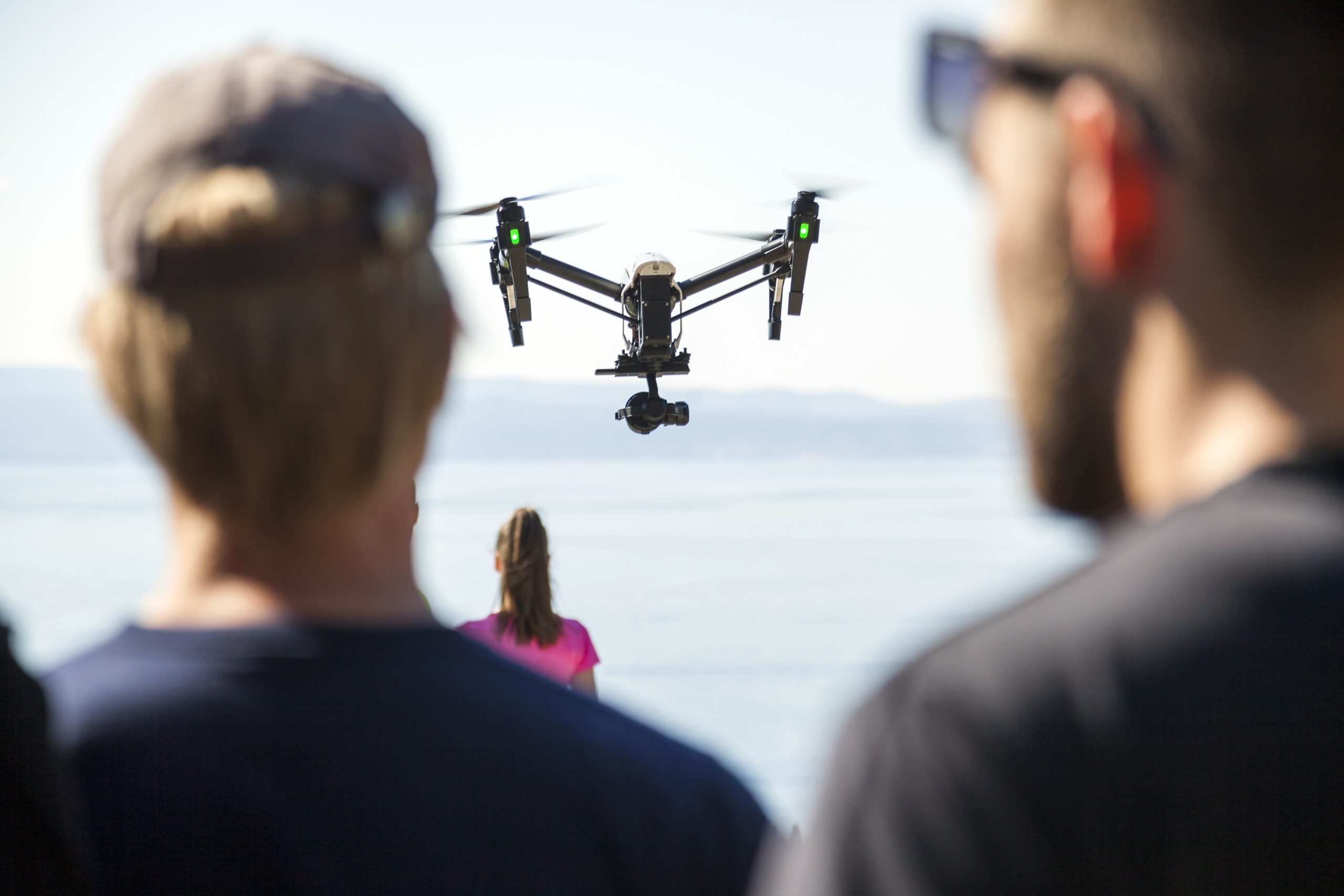
We’ve seen drone tech evolve rapidly over the last few years. It's no longer just the domain of high-tech militaries. Off-the-shelf tech can be modified with terrifying ease. In this case, the drone likely wasn't a massive military-grade Reaper. It was probably something smaller, harder to track on traditional radar, and launched from a relatively close distance.
The proximity to the US Consulate is the kicker. Whether the consulate was the primary target or just collateral damage doesn't change the outcome. The psychological barrier has been poked.
The UAE response strategy
The Emirati government is world-class at crisis management. They don't let rumors fester. Within an hour of the incident, the Media Office had a tweet out. They used words like "contained" and "controlled." This isn't just about fire safety; it's about perception management.
They want you to know that the system worked. The fire department showed up. The situation ended. Life goes on.
But for those living in the nearby residential towers or working in the consulate, the "system working" looks a bit different. It looks like a morning interrupted by sirens and the smell of smoke. It looks like a reminder that the geopolitical tensions of the Middle East aren't always "over there." Sometimes, they’re right outside your window.
Regional players and the finger-pointing game
While no group has stepped forward with a credible claim of responsibility yet, the list of suspects is predictable. Groups from Yemen to Iraq have used similar tactics in the past. However, jumping to conclusions is a mistake.
Attributing a drone strike in a city as complex as Dubai requires forensic evidence from the wreckage. Authorities are likely scrubbing through every frame of CCTV footage from the Bur Dubai area to see where the device was launched. If it was launched from within the city, that’s a domestic security nightmare. If it flew in from across the water, it’s a massive failure of coastal defense.
How this impacts your travel and safety
If you’re planning a trip to Dubai or you’re living there now, don't panic. But don't be oblivious either.
- Expect more security checks. You’ll likely see an increased police presence around Al Seef, Umm Hurair, and the diplomatic row.
- Follow the official channels. In the UAE, spreading rumors can actually get you into legal trouble. Stick to the Media Office updates, but read between the lines.
- Register with your embassy. If you're a US citizen, use the STEP program. It's basic, but it’s the only way the consulate can track you if things actually go sideways.
The fire is out. The charred remains are probably already cleared away. Dubai is excellent at scrubbing the evidence of a bad day and getting back to the business of being a global hub. But the drone that started that fire isn't just a piece of hardware. It’s a sign that the security landscape is changing faster than the laws can keep up.
Keep an eye on the flight restrictions. The UAE recently tightened rules for hobbyist drone pilots, and you can bet those rules are about to get even stricter. If you own a drone in Dubai, keep it grounded. The authorities are going to be extremely twitchy about anything in the air for the next few weeks. Watch the news for updates on the investigation, specifically for any mention of the drone's origin. That’s the piece of the puzzle that will tell us if this was a one-off fluke or the start of a new trend.