The coffee in the Mariscal District tastes like volcanic soil and high-altitude rain, but today, it tastes like ash. In the diplomatic quarters of Quito, the air doesn't just feel thin because of the 9,000-foot elevation; it feels heavy with the weight of things unsaid. When a government decides to cast out an ambassador, they don't usually do it with a shout. They do it with a stamp, a signature, and a cold, Latin phrase that translates to "you are no longer welcome here."
Persona non grata.
Basilio Antonio Gutiérrez, the man who represented the Cuban star and stripes in the heart of the Andes, now finds himself on the wrong side of that phrase. To the casual observer scrolling through a news feed, this is a minor tremor in the tectonic plates of Latin American geopolitics. A "diplomatic tension." A "standard procedure." But for those living in the shadow of the Pichincha volcano, this isn't about paperwork. It is about the breaking of a long, complicated brotherhood.
Ecuador’s Ministry of Foreign Affairs didn't just ask Gutiérrez to pack his bags; they signaled a hard pivot in the soul of the nation. To understand why this matters, you have to look past the press releases and into the eyes of the people standing in line at the migration offices.
The Ghost at the Table
Imagine a dinner party where two old friends have been sniping at each other under their breath for three hours. One friend, Ecuador, has recently changed their outlook on life. They want new investments, tighter security, and a seat at the table with the world’s biggest economies. The other friend, Cuba, represents an old guard, a revolutionary spirit that feels increasingly at odds with the current host's ambitions.
The tension has been simmering. It wasn't one single event that broke the camel's back, but a series of ideological paper cuts. The Ecuadorian government, led by President Daniel Noboa, is currently locked in a brutal internal war against narco-terrorist groups. In this climate, "security" isn't a buzzword. It is a survival mechanism. When a foreign diplomat is perceived—rightly or wrongly—as interfering in the delicate internal clockwork of a nation under siege, the reaction is swift.
Gutiérrez wasn't just a man; he was a symbol. By removing him, Ecuador is telling the world that the era of "open-door" ideological solidarity is over. The locks are being changed.
The Invisible Stakes of a Handshake
When we talk about diplomacy, we often forget that it is a human enterprise. Behind every persona non grata declaration are hundreds of families whose lives are caught in the crossfire. Think of the Cuban medical missions that have operated in the Andes for decades. Think of the students who navigate the complex exchange programs between Havana and Quito.
When the bridge between two embassies is burned, these people are the ones who feel the heat.
The "core facts" tell us that this move follows comments or actions deemed "incompatible" with diplomatic functions. That is code. In the world of high-stakes international relations, "incompatible" usually means you were caught looking into folders you weren't supposed to touch, or talking to people the palace considers dangerous.
Ecuador is currently a country on edge. The streets of Guayaquil and the plazas of Quito are patrolled by soldiers. The government is hyper-vigilant. In such an environment, the presence of a diplomat from a nation that has historically exported "revolutionary" ideals becomes a source of profound anxiety for a centrist or right-leaning administration.
The Geometry of a Fallout
Consider the map. Ecuador is a small country with a massive shadow. To its north and south, the political winds are constantly shifting. By ousting the Cuban Ambassador, Noboa is sending a signal to Washington as much as he is to Havana. It is a gesture of alignment. It is a way of saying, "We are cleaning house. We are focusing on our own sovereignty."
But there is a cost to clarity.
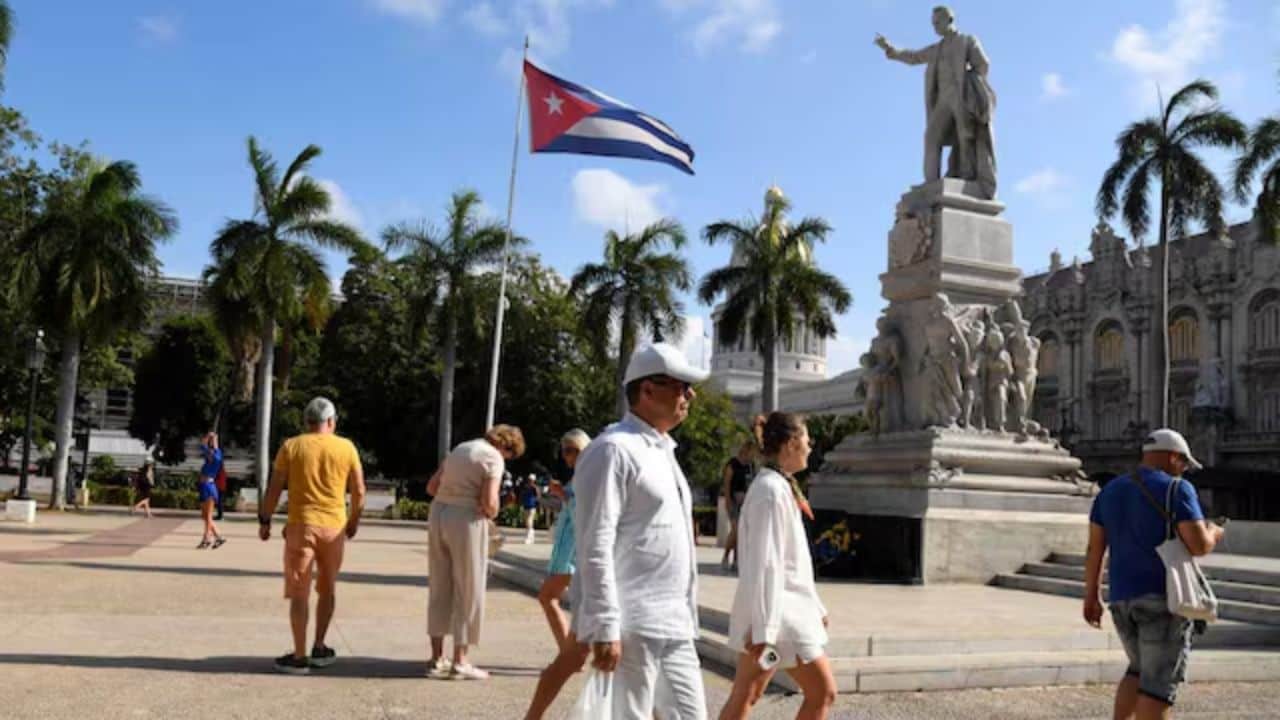
Cuba has long been a fixture in the Latin American imagination—a David to the North American Goliath. For a segment of the Ecuadorian population, Gutiérrez’s expulsion feels like a betrayal of regional unity. It feels like the cold hand of pragmatism crushing the warm heart of Latin Americanism.
The tragedy of modern politics is that we have traded the "great conversation" for a series of locked doors. We no longer argue; we simply revoke visas. We no longer debate; we declare people "unpleasant."
The Silence After the Departure
What happens the day after an ambassador leaves? The embassy doesn't disappear. The flag still flies, but the pulse is gone. The phones ring in empty offices. The local staff—Ecuadorians who worked for the Cuban mission—whisper in the hallways about their own futures.
This isn't just a story about Basilio Antonio Gutiérrez. Most people couldn't pick his face out of a lineup. This is a story about the fragility of peace. It is about how easily the "neighbors" we have shared a continent with for centuries can suddenly become strangers.
The move is a gamble for President Noboa. He is betting that the internal security gains and the favor of Western allies will outweigh the diplomatic fallout within the region. He is betting that the Ecuadorian people care more about safe streets than they do about the hurt feelings of a Caribbean island.
He might be right. But history has a long memory.
In the high, thin air of Quito, the clouds move fast. One moment the sun is blinding, reflecting off the gold-leafed altars of the colonial churches, and the next, a shadow covers the city. Diplomacy is much the same. A relationship that took sixty years to build can be dismantled in sixty seconds by the stroke of a pen.
As the plane carrying the former ambassador climbs above the Andes, heading north toward the Caribbean, it leaves behind a country that looks the same but feels fundamentally different. The seats at the table have been rearranged. The conversation has stopped. All that remains is the sound of the wind through the eucalyptus trees and the cold, hard reality of a door that has been bolted from the inside.
Somewhere in a government office, a clerk is already filing the paperwork for the next person to try and fill that seat. They will arrive with a suitcase and a smile, but they will be looking at the locks. They will be wondering just how long they have before they, too, become "non-grata."
The mountain doesn't care. The volcano remains silent. But in the streets below, the people watch the embassies and wonder who will be asked to leave next, and what we will lose when the last bridge is finally gone.
The ink is dry. The bags are packed. The silence is the only thing left to listen to.