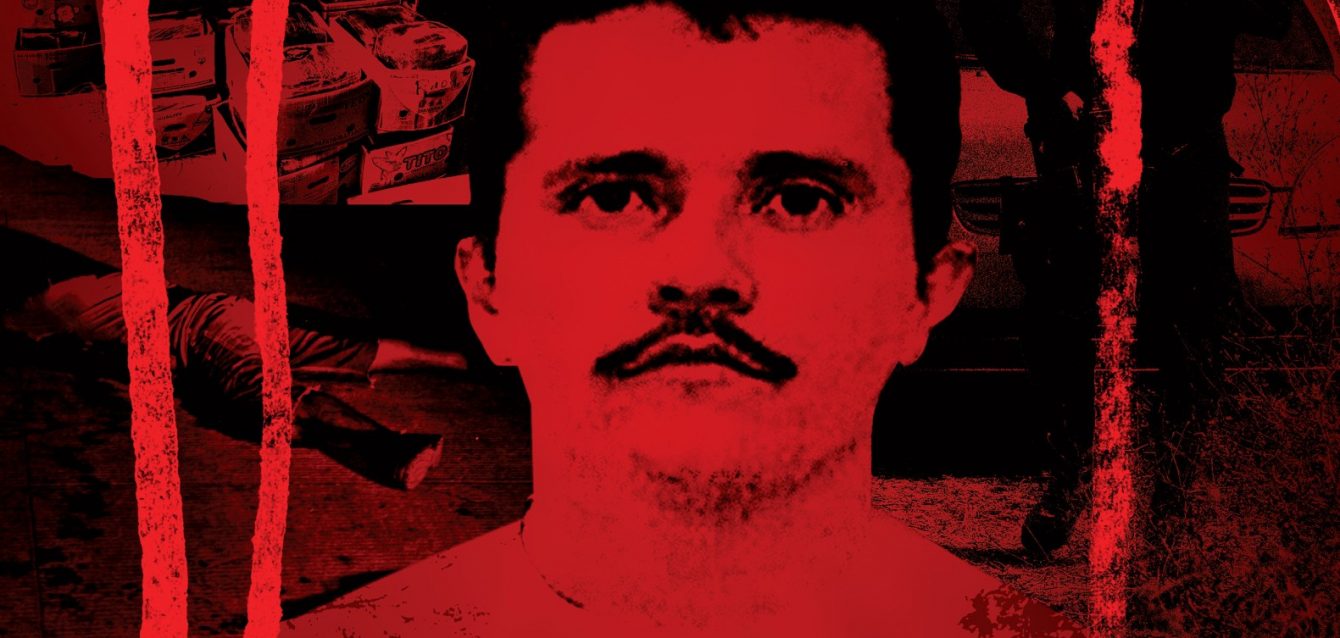
The long-rumored death of Nemesio Oseguera Cervantes, the elusive leader of the Jalisco New Generation Cartel (CJNG) known as El Mencho, has transitioned from underworld myth to a bureaucratic reality. Mexican authorities have quietly facilitated the transfer of his remains to his family, effectively closing the chapter on one of the most violent eras in the history of organized crime. This move does more than just provide closure for a grieving family; it signals the official decapitation of a criminal empire that, at its peak, challenged the sovereign authority of the Mexican state through paramilitary tactics and sophisticated financial networks.
For years, El Mencho’s health was a subject of intense speculation. Reports of severe kidney failure and the construction of a private hospital in the mountains of Jalisco suggested a leader in decline. While the government remained tight-lipped to avoid triggering a fresh wave of violence, the quiet release of his body confirms that the kingpin is no longer a factor on the board. The immediate concern now shifts from the man to the machinery he left behind. The CJNG is not a traditional hierarchy but a sprawling franchise system, and the absence of its founding father creates a void that history suggests will be filled with blood. You might also find this similar story useful: The $2 Billion Pause and the High Stakes of Silence.
The Logistics of a Legacy
The handover of Oseguera Cervantes’ body was handled with a level of discretion usually reserved for national security secrets. Sources within the federal prosecutor's office indicate that the identification process involved a rigorous battery of DNA testing and forensic verification to ensure no room for the kind of "resurrection" stories that followed the death of Amado Carrillo Fuentes in the nineties. By returning the body, the Mexican government is betting on a strategy of de-escalation. They are treating him as a deceased citizen rather than a trophy, hoping to avoid the "martyr effect" that often galvanizes cartel foot soldiers.
However, the quiet nature of this transition masks a brutal reality on the ground. The CJNG rose to power by being more aggressive and more organized than its predecessors. They were the first to regularly use drones rigged with explosives and to equip their soldiers with military-grade hardware that rivaled the Mexican Army. With the patriarch gone, the internal friction among regional commanders—the plazas—is already beginning to heat up. As discussed in detailed coverage by Associated Press, the implications are notable.
A Franchise Under Fire
Unlike the Sinaloa Cartel, which often relies on a more diplomatic (if still deadly) approach to territorial expansion, El Mencho’s organization was built on sheer, unadulterated force. This creates a specific structural weakness. When a leader who rules by fear disappears, those who were kept in line by that fear begin to see opportunity. We are currently seeing the "Sinaloanization" of the CJNG, where the once-unified front is fracturing into smaller, more autonomous cells.
The primary contenders for control are not just blood relatives. While the Oseguera family maintains significant influence over the financial assets, the tactical control lies with the "cuinis"—the Gonzalez Valencia clan—and various high-level lieutenants who have survived the recent years of high-intensity conflict. These factions are currently weighing the benefits of a peaceful transition against the instinctive urge to seize total control.
The Financial Skeleton
The true power of the CJNG was never just the gunmen; it was the money. The cartel perfected the art of diversified revenue streams. They didn't just move fentanyl and meth; they moved into avocado farming, lime production, and even the theft of fuel from national pipelines.
- Agro-extortion: Controlling the supply chain of Mexican exports.
- Synthetic Innovation: Shifting from plant-based drugs to high-margin synthetics.
- Money Laundering: Utilizing legitimate businesses in Guadalajara and Puerto Vallarta to scrub billions in cash.
The return of El Mencho’s body to his relatives suggests that the family still holds enough political or social capital to negotiate with the state. It is a tacit acknowledgment that despite his crimes, the Oseguera name carries a weight that cannot be simply ignored by the authorities.
The Fentanyl Factor and International Pressure
Washington is watching this development with an intensity that borders on paranoia. The CJNG is a primary target of the U.S. Drug Enforcement Administration (DEA) due to its massive role in the fentanyl crisis. With the leader dead, the U.S. is pushing for a total dismantling of the cartel’s logistics, fearing that a disorganized CJNG might be even more erratic and dangerous than a centralized one.
There is a historical precedent for this. When the Los Zetas cartel fractured, it led to a decade of "atomized" violence where smaller, less predictable groups fought over scraps, making the security situation for civilians significantly worse. A centralized cartel is a monster you can negotiate with or target; a dozen splinter groups are a hydra that is nearly impossible to contain.
The Strategy of Silence
The Mexican government’s decision to handle the death with such low-key optics is a departure from the "Kingpin Strategy" favored during the Calderón administration. Back then, the death of a boss was a media circus, often involving photos of the deceased displayed like hunting trophies. The current administration seems to have learned that high-profile celebrations of a narco-boss’s death only lead to retaliatory strikes and a surge in recruitment for the cartel.
By allowing the family to bury their dead, the state is attempting to drain the mythos surrounding El Mencho. They want him to be remembered as a man who died of a chronic illness in hiding, not a warrior who fell in a hail of bullets. It is a psychological play intended to show the rank-and-file that the era of the "invincible" boss is over.
The streets of Guadalajara and the mountains of Michoacán are quiet for now, but it is the silence of a held breath. The death of Nemesio Oseguera Cervantes marks the end of a specific type of criminal leadership—one that combined the ruthless violence of the old school with the corporate efficiency of the new. The coming months will reveal whether his successors have the discipline to maintain his empire or if the CJNG will burn out in a final, spectacular display of internal warfare.
Business owners in Jalisco and surrounding states are already bracing for a spike in "protection" demands as local commanders look to build their war chests for the coming struggle. For the average citizen, the death of a kingpin rarely means peace; it usually just means a change in who collects the tax. The government has returned the body, but they have yet to reclaim the territory.
Watch the homicide rates in Colima and Guanajuato over the next fiscal quarter. Those numbers will tell you more about the future of the CJNG than any official press release ever could.