The coffee in your mug didn’t get there by accident. Neither did the fuel in your car, the plastic in your keyboard, or the medicine in your cabinet. They are the end results of a silent, rhythmic pulse—a global heartbeat of steel tankers moving across blue water. But that pulse just skipped a beat.
Deep in the Persian Gulf, the water is a shimmering, deceptive turquoise. It looks tranquil, but it is currently the most expensive real estate on the planet. When the news broke that the Strait of Hormuz had been shuttered following a series of precision strikes by US and Israeli forces against Iranian infrastructure, the world didn’t just watch a headline. It felt a shudder. Meanwhile, you can find similar developments here: The Cold Truth About Russias Crumbling Power Grid.
This isn't about maps. It’s about the narrowest of bottlenecks.
At its tightest point, the Strait of Hormuz is only about 21 miles wide. That is roughly the distance of a marathon. Yet, through that tiny gap flows nearly 30 percent of the world’s seaborne oil. To close it is to place a tourniquet on the global economy. If the blood stops flowing, the limbs start to go numb. To explore the bigger picture, check out the detailed article by TIME.
The Ghost on the Bridge
Imagine a captain named Elias. He is 400 miles away, standing on the bridge of a Very Large Crude Carrier (VLCC). He is carrying two million barrels of oil, a cargo worth more than the GDP of some small nations. Until yesterday, his biggest worry was the humidity or a delayed crew change in Singapore.
Now, he watches the horizon with a different kind of intensity. The orders from the home office are frantic. Hold position. Do not enter. Await further instruction. Elias represents the invisible stakes. He is the human caught in the gears of a geopolitical machine that has finally ground to a halt. When he looks at his charts, he sees the Strait of Hormuz not as a strategic asset, but as a doorway that has been slammed and bolted.
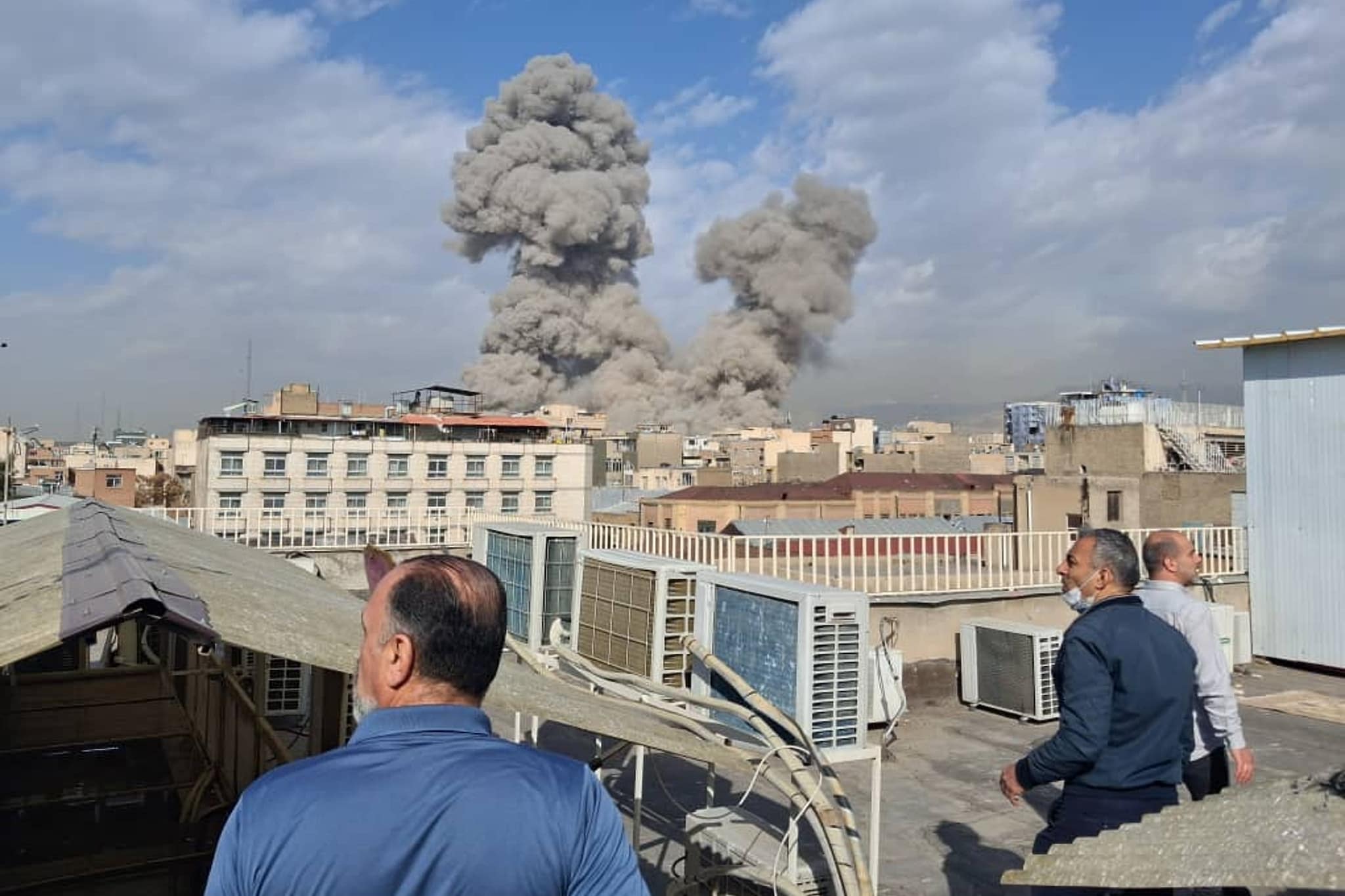
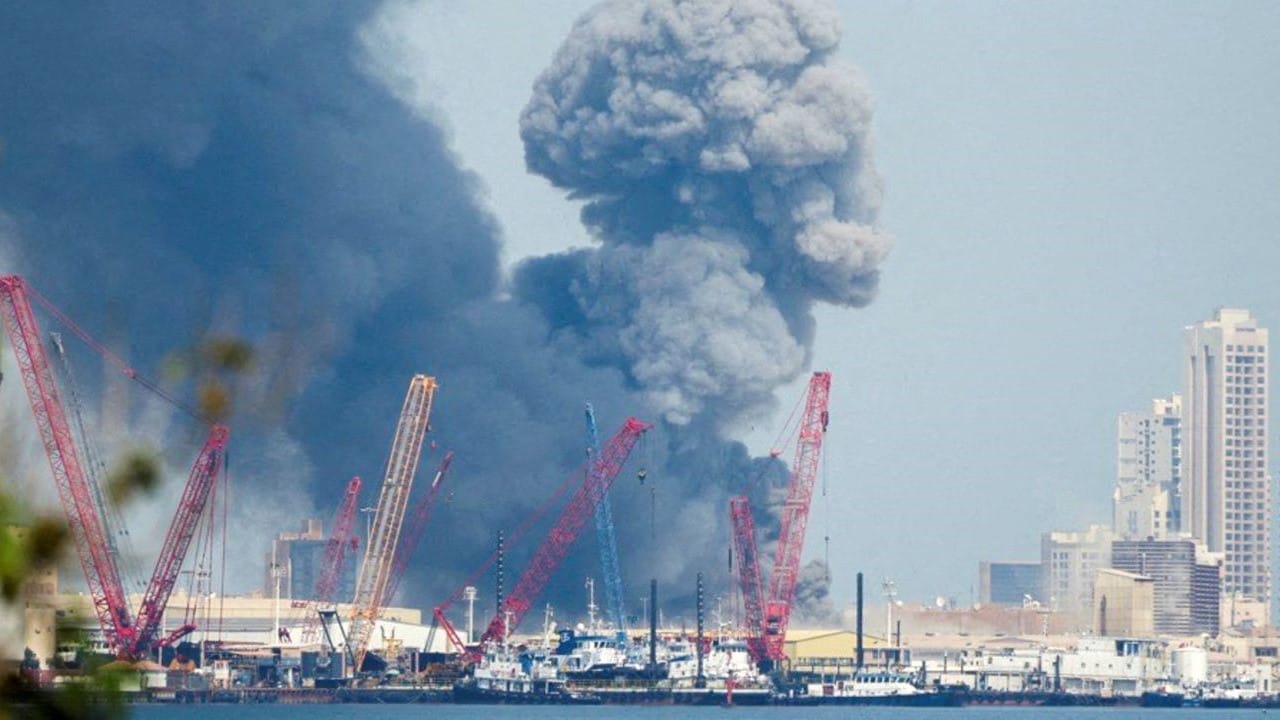
Behind that door lies the fallout of a military escalation that many feared was inevitable. The reports of the strikes were clinical: "Surgical hits on missile sites," "Neutralization of radar arrays." But the response was visceral. By sinking hulks or placing mines, or simply threatening to fire on anything that moves through those 21 miles, Iran has exercised its "asymmetric" trump card.
The Math of a Closed Door
The economics of a closure are not linear. They are explosive.
When the Strait closes, the price of oil doesn't just go up; it leaps. Traders in London, New York, and Tokyo don't wait for the actual shortage to hit the pumps. They react to the fear of the shortage. Within hours of the announcement, Brent crude spiked. We are talking about a vertical line on a graph that represents billions of dollars in lost purchasing power for ordinary people.
Consider the journey of a single gallon of gas. Usually, it’s a boring story of logistics. But now, that gallon is a hostage.
If the Strait stays closed for a week, the strategic reserves of major nations begin to dwindle. If it stays closed for a month, we are no longer talking about expensive commutes. We are talking about the collapse of supply chains. Farmers cannot fuel tractors. Shipping companies cannot fulfill contracts. The "Just-in-Time" delivery system that brings fresh produce to your grocery store is revealed for what it truly is: a fragile miracle dependent on a few miles of clear water.
A History of Thin Ice
This isn't the first time the world has held its breath over this patch of ocean. During the "Tanker War" of the 1980s, hundreds of ships were attacked. The US Navy eventually had to escort tankers to keep the lights on in Europe and Asia.
The difference today is the technology of denial. Iran has spent decades preparing for this exact moment. They have fast-attack boats that swarm like hornets, sophisticated anti-ship missiles hidden in coastal caves, and a fleet of drones that cost a fraction of the ships they are designed to destroy.
The US-Israel strikes were intended to degrade these capabilities. They were meant to be a deterrent, a message written in fire. But deterrence is a psychological game. If the recipient of the message feels they have nothing left to lose, the deterrent becomes a detonator.
By closing the Strait, Tehran is saying: If we cannot export our soul, no one else will export theirs. ### The Ripple in the Kitchen
We often think of war as something that happens "over there." We see the grainy infrared footage of explosions and the talking heads in suits discussing "strategic depth."
But the real war happens in the quiet places.
It happens when a small business owner in Ohio realizes her shipping costs have tripled overnight, wiping out her yearly profit. It happens when a family in Berlin has to choose between heating their home and buying meat. It happens when the global stock markets lose five percent of their value in a single afternoon, evaporating the retirement savings of millions.
The Strait of Hormuz is a physical location, but it is also a psychological tether. It connects the high-altitude decisions of generals to the ground-level reality of a worker’s paycheck.
The Invisible Armada
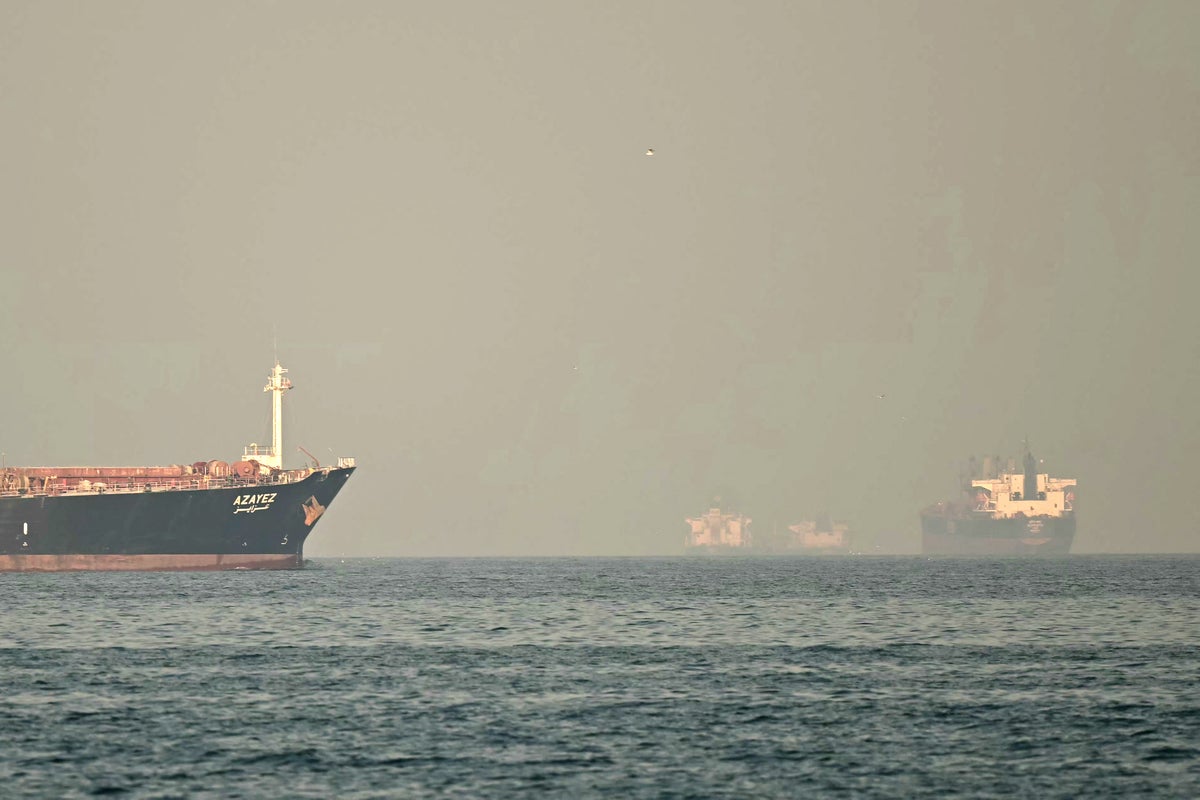
Right now, dozens of ships are sitting idle in the Gulf of Oman. They are a literal ghost fleet, their engines idling, their crews staring at the coast of Iran. They are waiting for the "all clear" that might not come for weeks.
In the naval war rooms of the West, the talk is of "Freedom of Navigation" operations. This is the polite, diplomatic way of saying they are going to try and force the door open. But forcing a door that is rigged with explosives is a delicate business. One mistake, one stray mine, one panicked commander on either side, and a "limited strike" turns into a regional conflagration.
The uncertainty is the most toxic element. Markets can handle bad news, but they cannot handle a vacuum. As long as the Strait is closed, the world is operating in a vacuum.
The Price of a Narrow World
We have built a civilization on the assumption of frictionless movement. We assumed that the sea would always be open, that the rules of the road would always be followed, and that the "choke points" of the world were relics of a more violent past.
We were wrong.
The closure of the Strait of Hormuz is a reminder that our entire modern existence is draped over a very thin skeleton of geopolitical stability. When that skeleton cracks, everything else sags.
As the sun sets over the Persian Gulf tonight, the water will turn from turquoise to a deep, bruised purple. Somewhere on a bridge, a captain like Elias will be looking at his radar, watching the tiny blips of patrol boats and the empty expanse where the world’s commerce used to be. He will feel the silence of the engines.
It is a silence that is currently being heard in every boardroom, every parliament, and eventually, every living room on Earth. The door is shut. And nobody is quite sure who holds the key, or if the lock has been broken beyond repair.
The pulse has stopped. We are all just waiting to see if the heart can be restarted before the body begins to fail.