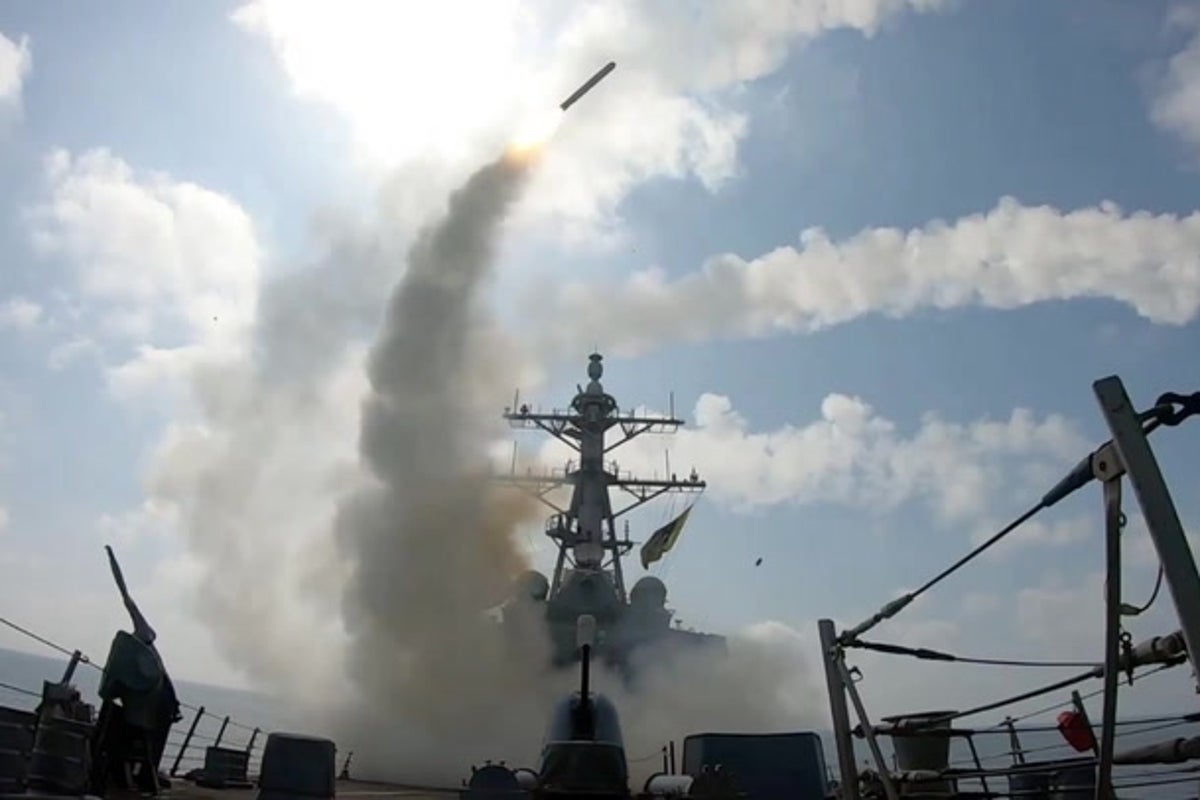
Military strikes on Iranian soil by U.S. and Israeli forces have sent immediate shockwaves through global energy markets, forcing drivers to face a sharp, painful climb in prices at the pump. While the headlines focus on the tactical success or failure of the missiles, the real story is the fragile architecture of the global oil supply chain and the speculative frenzy that follows every explosion. Oil is not just a commodity; it is a geopolitical weapon, and right now, the consumer is caught in the crossfire of a conflict that threatens the world’s most vital maritime chokepoint.
The Strait of Hormuz Trap
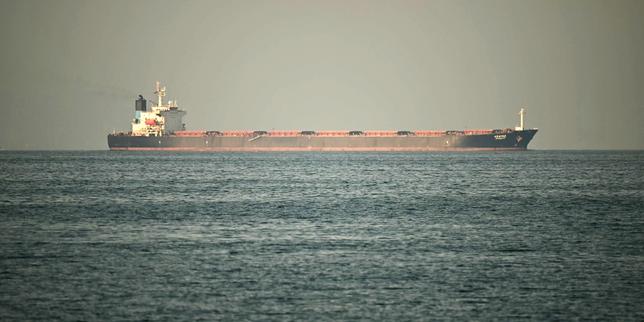
When a drone hits a target in Iran, the market does not just look at the damage on the ground. It looks at the map. Specifically, it looks at the narrow strip of water known as the Strait of Hormuz. This is the single most important artery in the global body politic. Roughly one-fifth of the world’s total oil consumption passes through this 21-mile-wide passage every single day. Read more on a connected subject: this related article.
If Iran decides to retaliate by mining the strait or seizing tankers, the flow of nearly 20 million barrels of oil per day could stop. We are talking about a total systemic shock. Unlike a localized pipeline leak or a refinery fire in Texas, there is no easy workaround for a closed Strait of Hormuz. The sheer volume of crude coming from Saudi Arabia, the UAE, Kuwait, and Iraq cannot simply be rerouted through overland pipes. The capacity just isn't there.
Traders know this. They aren't waiting for the oil to stop flowing before they raise prices. They are pricing in the possibility that it might. This "war premium" is what you are paying for when you see the numbers on the gas station sign jump ten cents overnight. It is a tax on uncertainty. Further journalism by MarketWatch highlights related views on the subject.
Beyond the Barrel and Into the Speculation Pit
It is a common mistake to think that gas prices are a simple reflection of supply and demand. In the immediate aftermath of military action, supply and demand are almost irrelevant. What matters is the paper market. Wall Street speculators, hedge funds, and algorithmic trading bots react to news cycles in milliseconds. They buy futures contracts, betting that oil will be more expensive in three months than it is today.
This creates a self-fulfilling prophecy. As the price of crude oil futures rises, the cost for refineries to purchase the next batch of raw material goes up. These refineries, operating on razor-thin margins, pass that cost directly to the distributors. By the time that oil is turned into gasoline and pumped into a tanker truck, the price has been inflated by layers of fear-based speculation that have nothing to do with the actual physical availability of fuel.
The disconnect is staggering. There might be a record surplus of oil sitting in storage tanks in Oklahoma, but if a missile hits a storage facility in Isfahan, the global price will rise anyway. The market reacts to the threat of future scarcity, not the reality of current abundance.
The Fragility of the Global Refining Network
Even if the crude oil keeps moving, the strikes create a secondary crisis in the refining sector. Modern engines don't run on crude; they run on highly specific blends of finished gasoline and diesel. The global refining capacity is already stretched to its limit.
When conflict breaks out, insurance rates for tankers skyrocket. A ship owner who used to pay a standard rate for a voyage through the Persian Gulf might suddenly see their insurance premiums quadruple. These "war risk" premiums are baked into the final price of the fuel.
Furthermore, many European and Asian refineries are configured to process specific grades of Iranian or regional crude. If that supply is disrupted, those refineries cannot simply "switch" to American light sweet crude without significant downtime and hardware adjustments. This creates a bottleneck. You can have all the oil in the world, but if you cannot turn it into gas quickly and cheaply, the price at the pump will continue its upward trajectory.
Domestic Production is No Shield
You will often hear politicians argue that increased domestic drilling will insulate the country from Middle Eastern volatility. This is a half-truth at best. Oil is a fungible global commodity. Even if the United States produces more oil than it consumes, American drillers sell their product on the global market to the highest bidder.
If the price of Brent Crude (the international benchmark) spikes because of conflict in the Middle East, the price of West Texas Intermediate (the U.S. benchmark) will follow it upward. An American oil company is not going to sell a barrel to a local refinery for $70 if they can get $110 for it on the international market.
Unless the government institutes a total ban on exports—an architectural shift that would collapse the current Western economic model—domestic drivers will always be tethered to the stability of the Persian Gulf. We are part of a singular, interconnected web. When one strand breaks in the Middle East, the whole web vibrates.
The Hidden Cost of the Strategic Petroleum Reserve
In times of crisis, the government often taps into the Strategic Petroleum Reserve (SPR) to blunt the impact of price hikes. While this can provide temporary relief, it is a finite tool. The SPR was designed for catastrophic supply disruptions, not for managing the political optics of high gas prices.
Repeatedly draining the reserve to satisfy angry voters leaves the nation vulnerable to a true, long-term emergency. If the conflict with Iran escalates into a full-scale regional war that lasts months rather than days, a depleted SPR would be a national security nightmare. The market knows exactly how much oil is left in those underground salt caverns in Louisiana and Texas. If the reserve gets too low, the "fear premium" increases because traders realize the safety net is gone.
Why High Prices Stay High
There is a phenomenon in economics known as "rockets and feathers." When the price of crude oil spikes due to a military strike, gasoline prices at the pump tend to shoot up like a rocket. However, when the conflict cools and oil prices drop, gas prices drift down slowly, like a feather.
Retailers are quick to raise prices to protect themselves from rising replacement costs. If they know the next delivery of fuel will cost them significantly more, they raise prices immediately to ensure they have enough cash to buy that next shipment. But once the crisis passes, they are slow to lower prices. They want to recoup the losses they sustained during the spike, or they simply want to see if the lower crude price will "stick" before they give up their improved margins.
The consumer loses on both ends of the curve. You pay for the panic instantly, but you only benefit from the peace after a long, agonizing delay.
The Role of the Petrodollar
We cannot discuss Iran and oil without looking at the underlying currency mechanics. Most of the world’s oil is traded in U.S. dollars. This "petrodollar" system gives the United States immense leverage, but it also means that any conflict involving the U.S. in an oil-producing region has an immediate impact on the strength of the dollar and the stability of energy pricing.
Iran has long sought to bypass the dollar, trading oil in Euros or Yuan to evade sanctions. Military strikes are often the climax of years of economic warfare. When the bombs start falling, it represents a total breakdown of the financial and diplomatic guardrails that keep the oil market predictable. For the average driver, this means that gas prices aren't just a reflection of supply; they are a reflection of the crumbling geopolitical order that has kept energy relatively cheap for decades.
The Efficiency Myth
Automakers have spent billions making cars more fuel-efficient, but these gains are often wiped out by the volatility of the market. A 10% increase in fuel efficiency means nothing if the price of fuel increases by 30% due to a regional skirmish. The consumer's "energy budget" remains a hostage to events happening thousands of miles away, regardless of how modern their vehicle is.
This creates a cycle of economic stagnation. When gas prices rise, discretionary spending drops. People stop going to restaurants, they cancel vacations, and they cut back on retail purchases. The "fuel price rise" isn't just an inconvenience for commuters; it is a drag on the entire GDP. Every extra dollar spent at the pump is a dollar removed from the broader economy.
The Mirage of Energy Independence
The current strikes prove that "energy independence" is a political slogan, not a physical reality. In a globalized economy, there is no such thing as being insulated from a major producer's instability. The infrastructure of the world is built on the assumption of a steady, uninterrupted flow of Middle Eastern crude.
We have built a civilization on a foundation of liquid energy that passes through a handful of narrow, dangerous waterways. When those waterways become battlefields, the foundation cracks. The rise in fuel prices is not a glitch in the system; it is a fundamental feature of a world that relies on a volatile region for its most basic necessity.
The Logistics of Fear
Watch the shipping insurance markers. They are the most honest indicator of where prices are headed. Long before a politician gives a press conference or a news outlet reports on a price hike, the maritime insurance firms in London have already recalculated the risk. They see the movement of Iranian fast boats and the deployment of U.S. carrier groups. They raise the rates, the shippers raise the freight costs, the refineries raise the wholesale price, and you pay the difference at the pump.
The modern economy is a high-speed machine with no shock absorbers. We have optimized for "just-in-time" delivery, which means there is no buffer. If a tanker is delayed by three days due to a skirmish in the Gulf, it ripples through the entire system. There is no "extra" gasoline sitting around to soak up the disruption.
You are paying for the lack of a cushion. You are paying for a global energy strategy that prioritizes low costs during peace at the expense of extreme vulnerability during war.
Check the Brent Crude spot price against the local average in your zip code tomorrow morning. You will see that the market has already decided what your commute is worth, and it has nothing to do with how much gas is actually in the ground.
Actionable Strategy for Consumers
Don't wait for the price to peak before filling up. In the current geopolitical climate, the "wait and see" approach to the gas pump is a losing game. When news of a strike breaks, the price adjustment at the retail level usually follows within 6 to 12 hours. If you are under half a tank, fill it the moment the first headline hits the wire. You aren't just buying gas; you are buying a hedge against the inevitable speculative spike that follows every missile.
Keep a close eye on the "crack spread"—the difference between the price of crude oil and the petroleum products extracted from it. If the spread is widening, it means refineries are struggling or charging more, signaling that pump prices will stay high even if crude prices briefly dip. This is the metric that tells you if the pain is temporary or if you need to adjust your household budget for the long haul.
The missiles have already been launched, and the market has already responded. The only question now is how long the "war premium" will last before the next flashpoint arrives.