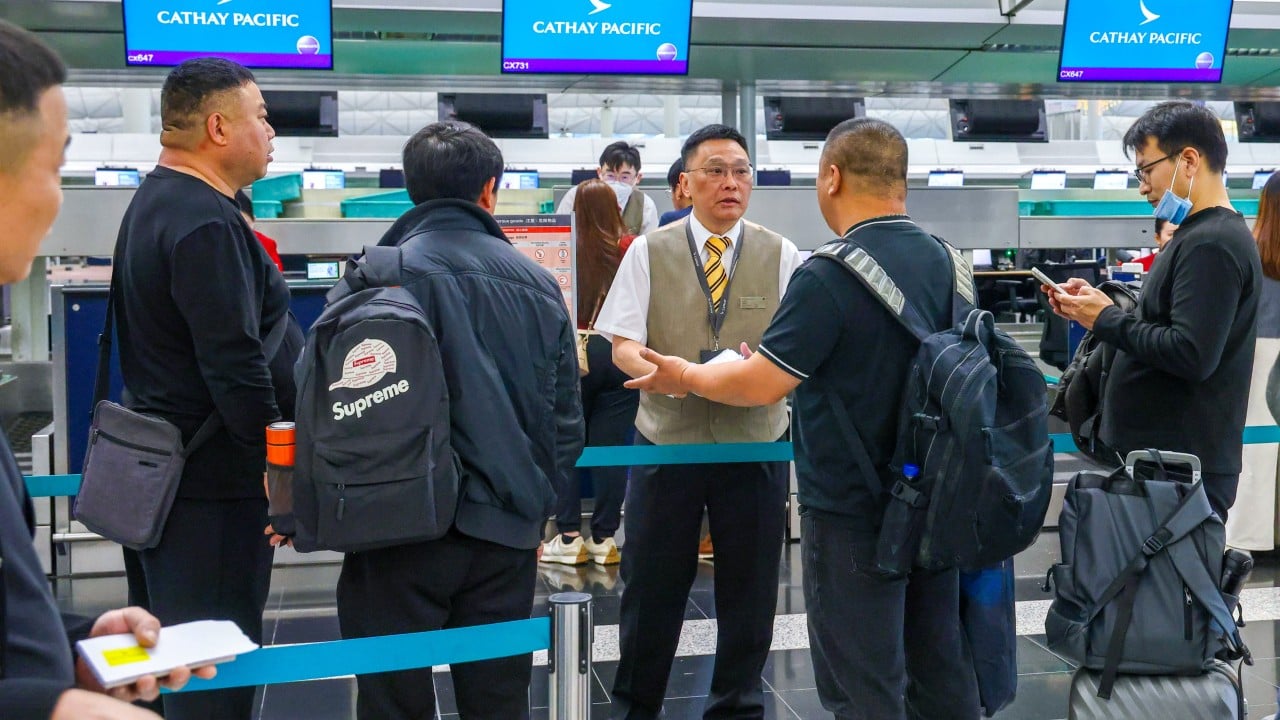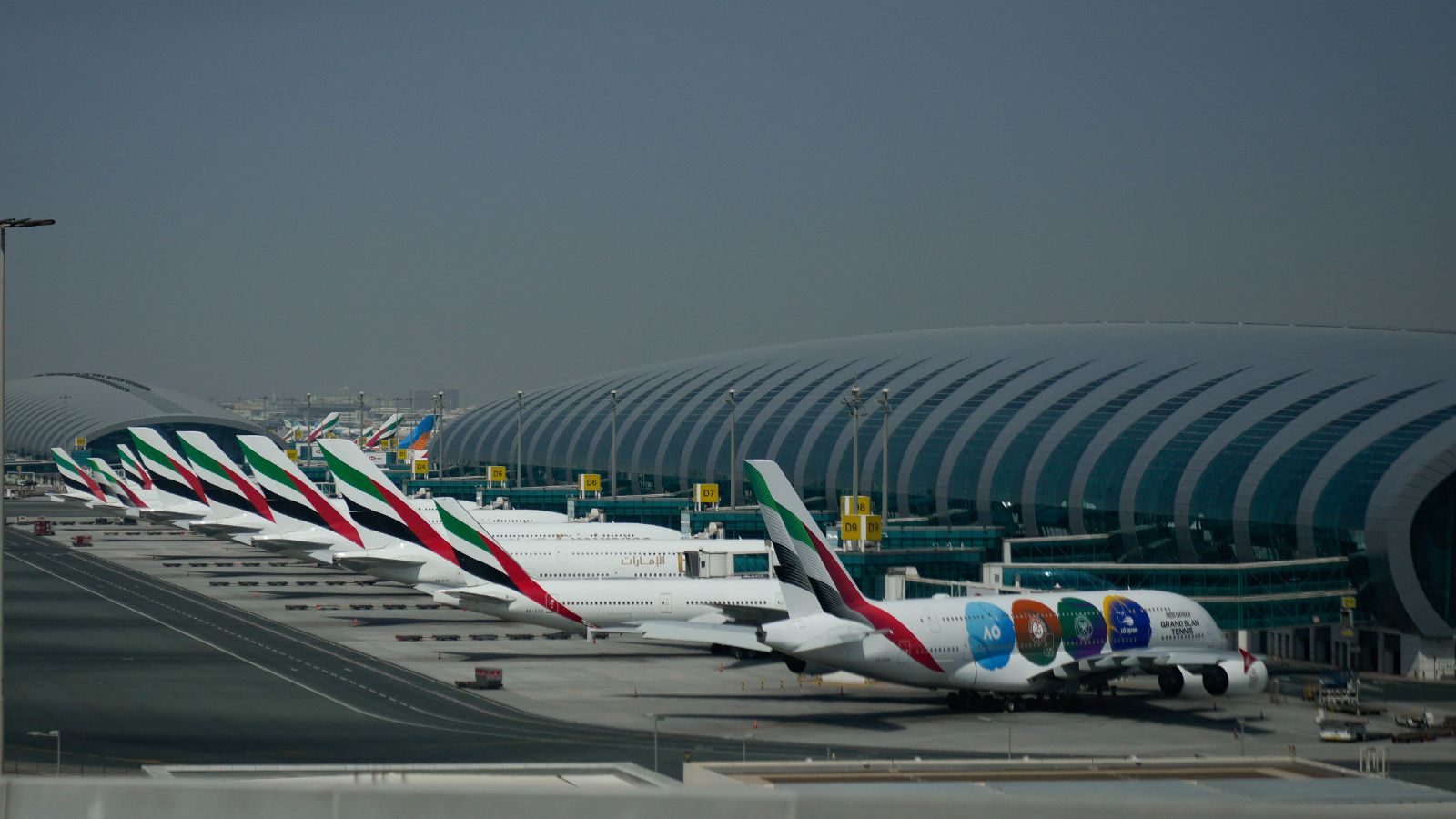
Airspace over the Middle East is no longer a reliable bridge between East and West. For the millions of Indian nationals living in the United Arab Emirates or transiting through Dubai, the recent escalation in Iran-Israel hostilities has transformed one of the world’s busiest aviation hubs into a strategic bottleneck. When missiles fly, the immediate fallout isn't just geopolitical posturing; it is the instantaneous cancellation of hundreds of flights, leaving Indian citizens stranded in airport lounges or facing skyrocketing ticket prices for the few remaining routes. The reality is that the "open skies" policy of the last decade has been replaced by a fragmented, high-risk corridor where safety is measured in minutes and fuel reserves.
The Geography of Risk
To understand why a flare-up between Tehran and Tel Aviv paralyzes a traveler in Dubai, you have to look at the narrow corridors of the Persian Gulf. Aviation relies on predictability. When Iran launched salvos toward Israel, or when Israeli jets retaliated, civil aviation authorities across Jordan, Iraq, and Lebanon were forced to shut their doors. For an Air India or Emirates flight heading from Dubai to London or New York, these closures remove the primary transit lanes.
Rerouting isn't as simple as turning a steering wheel. Every detour adds thousands of kilograms in fuel weight and hours of flight time. Many narrow-body aircraft, which handle a significant portion of the Indo-Gulf traffic, simply do not have the range to take the "long way" around the Arabian Peninsula or over the diverted Northern routes through Tajikistan. The result is a total grounding. Indian expats, who make up over 35 percent of the UAE’s population, find themselves at the mercy of a logistical nightmare that the airlines are often too overwhelmed to explain.
The Hidden Cost of the Reroute
Airlines are businesses first and transporters second. When a conflict erupts, the price of jet fuel doesn't just rise; the efficiency of the entire network collapses. If an IndiGo or SpiceJet flight has to fly an extra two hours to avoid Iranian airspace, the crew might exceed their legal duty hours. This creates a domino effect. One cancelled flight in Dubai leads to a missing crew in Mumbai, which leads to a grounded plane in Delhi.
For the Indian citizen on the ground, this manifest as a notification on a smartphone: "Flight Cancelled." Behind that message is a frantic scramble by dispatchers to find paths that avoid the "danger zones" identified by the European Union Aviation Safety Agency (EASA).
The financial burden falls squarely on the passenger. Most standard travel insurance policies contain "Act of War" or "Civil Unrest" exclusions. If your flight is cancelled because the sky is literally a battlefield, the airline might offer a refund or a rebooking, but they are rarely obligated to pay for your $300-a-night hotel stay in a peak-season Dubai.
Why the Indian Consulate Can Only Do So Much
There is a common misconception that the Indian Embassy or Consulate can simply "order" planes to fly or provide immediate passage home during an airspace crisis. In reality, the diplomatic mission operates within the constraints of local sovereignty and commercial law. During the peak of the recent tensions, the Indian mission in Dubai issued advisories, but these are often reactive rather than proactive.
The hard truth is that in a hot war scenario, civilian evacuations—like the historic 1990 airlift from Kuwait—are a last resort. For a standard flight disruption caused by missile exchange, you are essentially a commercial customer in a broken system. The consulate can help with emergency visas or lost passports, but they cannot bypass a closed flight path over Shiraz or Isfahan.
The Airfare Surge and the Ethics of Pricing
When supply drops to zero and demand remains constant, prices do more than just rise. They explode. We saw one-way tickets from Dubai to Kochi or Delhi jump from a standard 15,000 INR to nearly 80,000 INR within six hours of the initial airspace closure. This isn't just "dynamic pricing"; it is the market reacting to a sudden scarcity of seats on the few flights taking the long route via the southern corridor.
Airlines defend this by citing the massive increase in operational costs. Flying around a war zone requires more fuel, more crew pay, and higher insurance premiums. However, for the blue-collar worker in Sharjah who saved for a year to go home for a wedding, these justifications mean very little. They are effectively priced out of their own safety.
The Technical Reality of GPS Jamming and Spoofing
Beyond the physical threat of missiles, there is the invisible danger of electronic warfare. Pilots over the Middle East have reported a massive uptick in GPS spoofing. This is where a fake signal tells the plane's navigation system it is somewhere it isn't. In some cases, aircraft have nearly drifted into unauthorized airspace—potentially putting them in the crosshairs of air defense systems.
Indian carriers, operating some of the youngest fleets in the world, have the tech to handle some of this, but it adds a layer of "cognitive load" on the pilots. If a pilot isn't 100 percent sure of their position because of local interference, they won't fly. This contributes to "precautionary cancellations" that passengers often mistake for cowardice or laziness on the part of the airline. It is, in fact, the only thing keeping them alive.
Navigating the Bureaucratic Labyrinth
If you are stuck in the UAE, the path forward requires a level of aggression that most travelers aren't prepared for.
- Avoid the App: Mobile apps are designed to give the airline an easy out. They offer "refund" buttons that might take 90 days to process. Instead, head to the physical ticketing office.
- The "Duty of Care" Myth: While European carriers (under EC 261/2004) have strict rules about providing food and lodging, Gulf and Indian carriers operate under different mandates. You must check the "Conditions of Carriage" on your ticket—a document 99 percent of people never read.
- Alternative Hubs: If Dubai is clogged, look at Muscat or Doha, though these often suffer the same fate. The most stable, albeit expensive, routes currently involve backtracking through Riyadh or even Cairo to catch long-haul flights that swing wide of the conflict zone.
The Strategy for the Future
The Middle East is no longer a "set it and forget it" transit point. The volatility of the Iran-Israel axis suggests that this is not a one-off event, but a new seasonal reality. For the Indian diaspora, this means the end of the "last-minute cheap flight."
If you are planning travel through these corridors, the only way to protect yourself is to maintain a "conflict contingency fund." This is not a savings account for a rainy day; it is a dedicated amount of liquid cash to buy a ticket on a different airline the moment the news breaks. Waiting for a "re-accommodation" email is a losing game. By the time that email arrives, every other seat on every other carrier will be gone.
You must become your own travel agent, monitoring NOTAMs (Notices to Air Missions) and geopolitical tickers as closely as your gate number. The era of effortless global transit through the Gulf has stalled, and the engine won't be restarting anytime soon.
Check your travel insurance policy immediately for "War and Terrorism" riders. If your policy doesn't explicitly cover "Airspace Closure by Government Order," you are effectively uninsured for this specific crisis.