The dust in West Palm Beach has a way of settling on everything—the polished hoods of motorcades, the palm fronds, and the heavy expectations of a weary electorate. In 2024, the air was thick with a singular, rhythmic promise. It was a drumbeat that echoed through rally halls from Iowa to Pennsylvania: "No more endless wars." For a generation of Americans who had watched trillions of dollars and thousands of lives vanish into the desert sands of the Middle East, that sentence wasn't just a political slogan. It was a life raft.
Donald Trump campaigned as the ultimate closer. He positioned himself as the man who would bolt the doors of the Pentagon’s war room and bring the boys home. He spoke of the "blood-stained" soil of distant lands with a visceral disdain, suggesting that the era of American interventionism was over, replaced by a cold, transactional pragmatism. But as the transition from candidate to Commander-in-Chief solidified, the map of the world began to bleed in a very specific spot.
Iran.
The shift happened not with a bang, but with a series of deliberate, sharp escalations that felt less like a retreat and more like the sharpening of a blade.
The Architect and the Antagonist
To understand the stakes, you have to look past the mahogany tables of the Situation Room and into the eyes of someone like "Saeed." He is a hypothetical merchant in a Tehran bazaar, but his reality is shared by millions. Saeed doesn't care about uranium enrichment percentages or the intricacies of the JCPOA. He cares about the price of eggs, which has tripled because of sanctions. He cares about his daughter’s asthma medication, which is increasingly hard to find because global shipping companies are terrified of American Treasury Department blacklists.
For Saeed, the "ending of wars" feels like a cruel joke. To him, the war never ended; it just changed its medium. It moved from gunpowder to bank transfers.
The Trump administration’s approach to Iran is a paradox wrapped in a grievance. While the President-elect signaled a desire to pull troops out of Syria and Iraq—effectively ceding ground to avoid direct combat—he simultaneously surrounded himself with a cabinet of "Iran Hawks." These are men and women who view the Islamic Republic not as a country to be managed, but as a cancer to be excised. The goal is "Maximum Pressure" 2.0.
The logic is seductive in its simplicity. If you choke the economy hard enough, the regime will either crawl to the negotiating table on its knees or collapse under the weight of its own starving population. But history is a stubborn teacher. Pressure rarely leads to a handshake; it usually leads to a cornered animal baring its teeth.
The Invisible Front Line
Consider the geography of a modern conflict. We are trained to look for tanks crossing borders. Instead, we should be looking at the Strait of Hormuz.
This narrow chokepoint is the carotid artery of the global economy. One-fifth of the world’s liquid petroleum passes through this strip of water. When the rhetoric in Washington heats up, the insurance premiums for tankers in these waters skyrocket. When a drone is downed or a vessel is seized, the ripples aren't just felt in the Gulf; they are felt at a gas station in rural Ohio.
This is the "New Front." It is a war of attrition played out in cyberattacks on infrastructure, the freezing of sovereign assets, and the shadow-boxing of proxy militias in Lebanon and Yemen. Trump’s promise to "end wars" was built on the idea that America was tired of being the world's policeman. Yet, by making Iran the central villain of his foreign policy, he is tethering American interests to the most volatile region on earth more tightly than ever before.
The tension is a physical weight. You can feel it in the way the markets jitter and the way diplomats in Brussels and Beijing scramble to find a middle ground that no longer exists. The "America First" doctrine was supposed to be a shield. In the context of Iran, it has become a spear.
The Ghosts of 2003
There is a haunting familiarity to the current trajectory. Anyone old enough to remember the lead-up to the Iraq War recognizes the cadence. The intelligence briefings, the talk of "imminent threats," the insistence that the people of the region will welcome us as liberators once the "malign actors" are removed.
But the Iran of 2026 is not the Iraq of 2003.
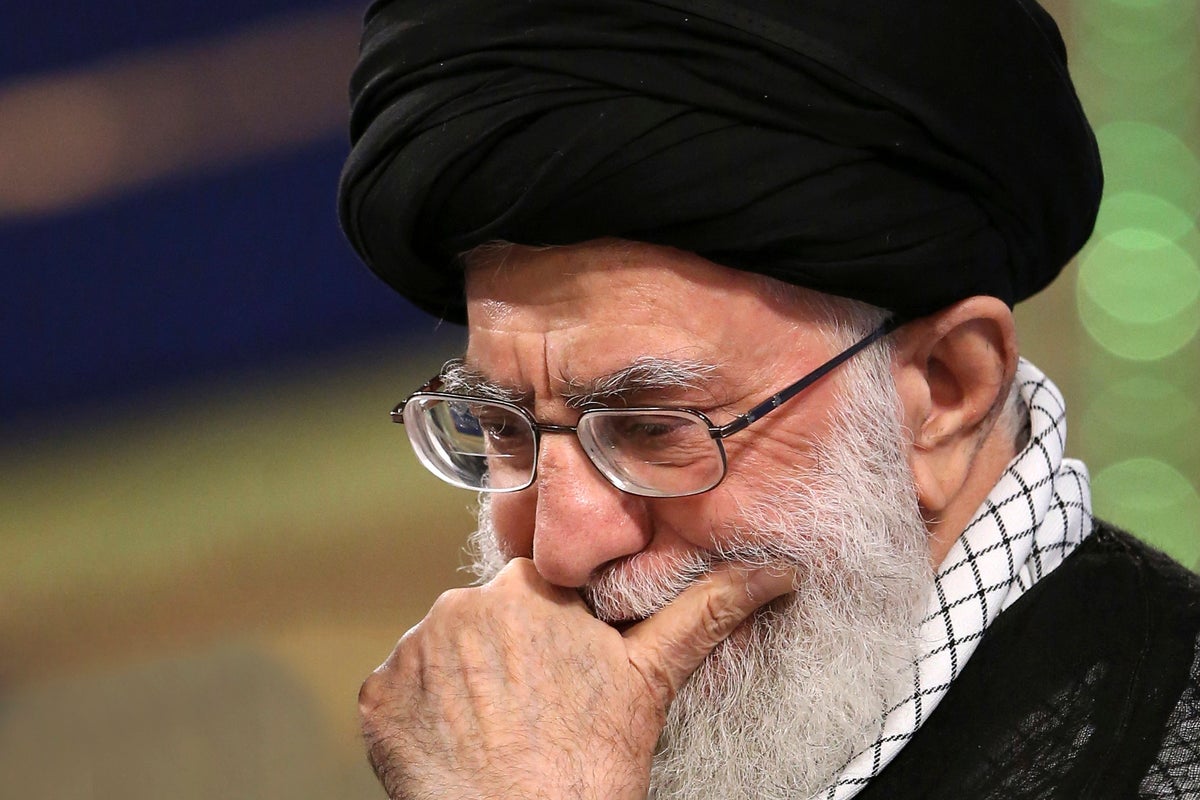
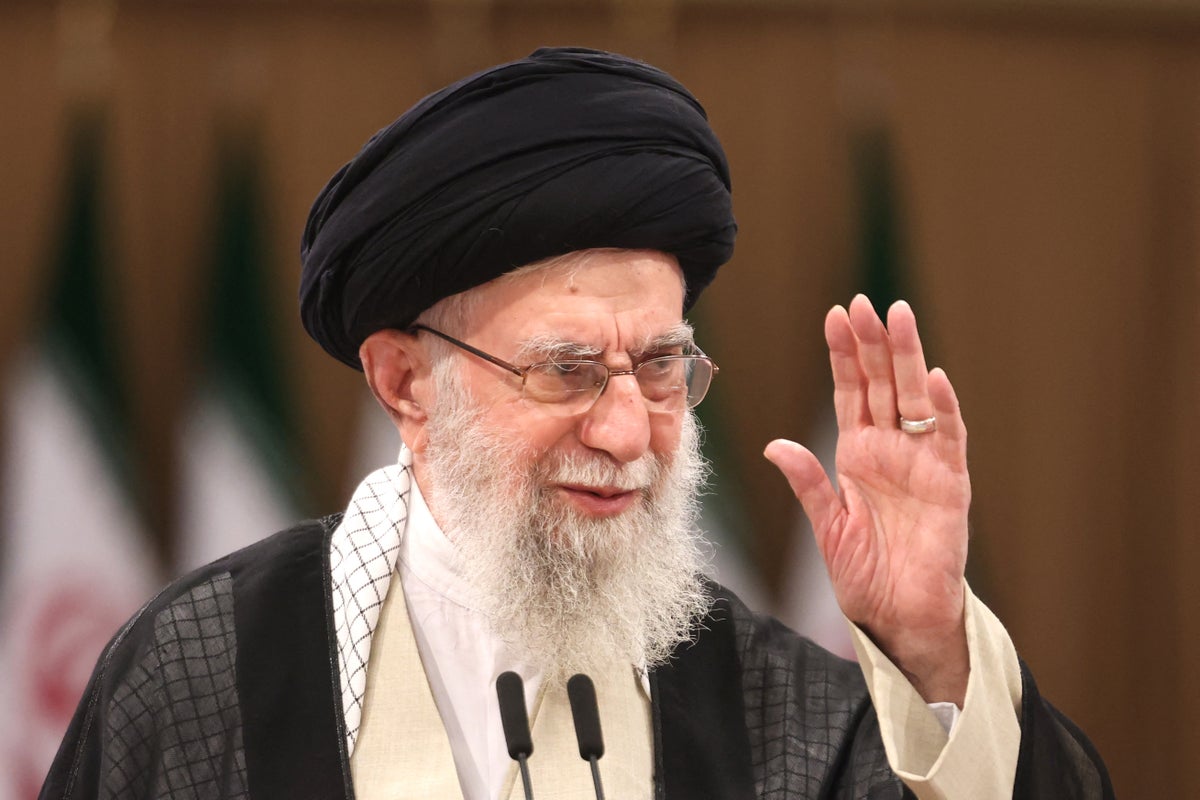
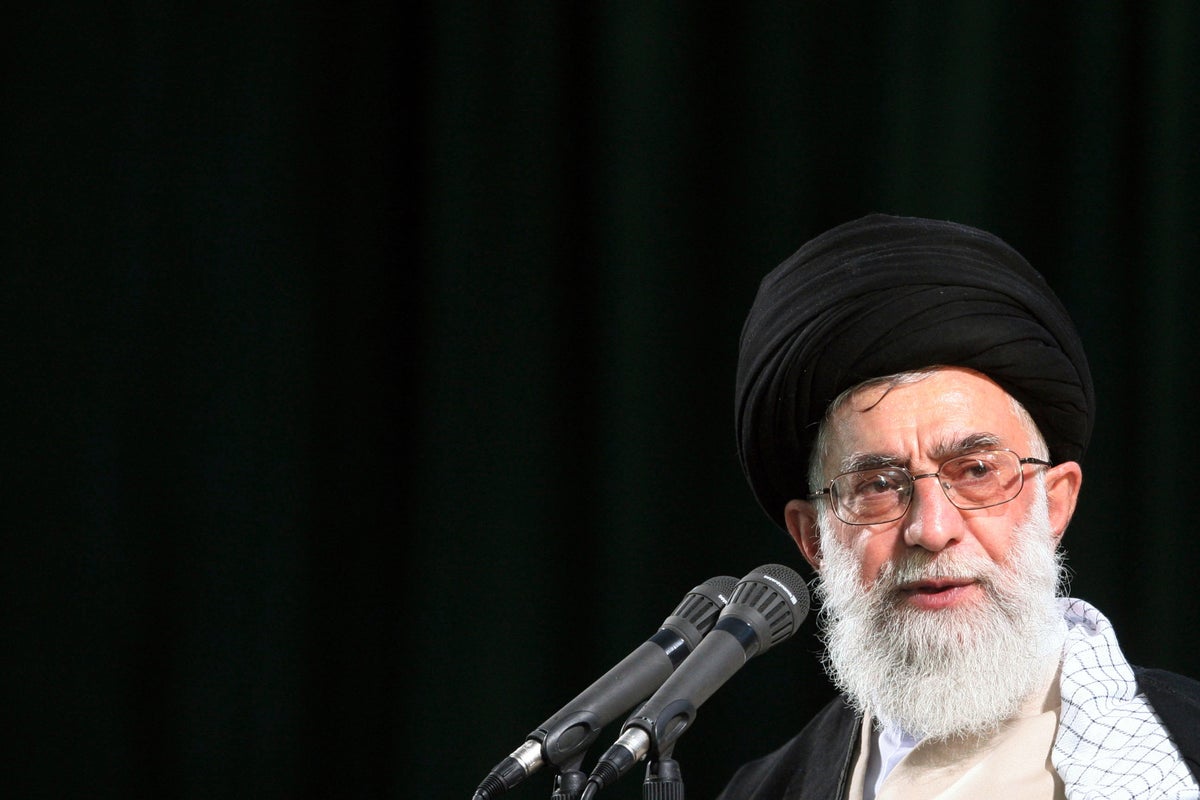
Iran is a nation of nearly 90 million people with a sophisticated military and a deep-seated nationalist pride that transcends its clerical leadership. Even those who loathe the Ayatollahs tend to bristle when a foreign power attempts to starve them into submission. By opening this front, the administration isn't just fighting a government; it is wrestling with a civilization.
The human element is often lost in the "Great Power Competition" spreadsheets. We talk about "deterrence" as if it’s a mathematical formula. We forget that deterrence requires the other side to believe they have something to lose. When you take away a nation's ability to sell its oil, feed its people, and participate in the world, you take away their stake in the status quo.
A man with nothing to lose is the most dangerous player at the table.
The High Stakes of the Deal
Trump has always prided himself on being the "Dealmaker." He believes that every conflict is a real estate transaction waiting for the right leverage. He views the 2015 nuclear deal as a "disaster" because it didn't address Iran’s ballistic missile program or its regional influence. He wants a "Big Deal"—one that settles everything at once.
But diplomacy is not a zero-sum game of branding. It is a slow, agonizing process of building trust where none exists. By tearing up previous agreements and doubling down on hostile rhetoric, the administration has scorched the earth where future negotiations might have grown.
The reality on the ground is a far cry from the campaign stage. While the President-elect talks about saving billions of dollars by avoiding foreign entanglements, the cost of "containing" Iran is mounting. It requires a massive naval presence in the Persian Gulf. It requires billions in aid to regional allies like Saudi Arabia and Israel. It requires a constant state of military readiness that is the exact opposite of "bringing the boys home."
The soldiers themselves feel this shift. A young lieutenant stationed in a desert outpost doesn't see a "new front." They see a target on their back. They see the same cycle of escalation and retaliation that defined their parents' generation. The promise of an ending has been replaced by the reality of a sequel.
The Echo in the Halls of Power
Behind the scenes, the struggle is between the isolationist base and the interventionist advisors. The base wants the "America First" isolationism—a fortress America that ignores the world's problems. The advisors, many of whom have spent their careers studying the "Iranian threat," see an opportunity to finally settle a forty-year-old grudge.
The President-elect sits at the center of this tug-of-war. His instincts tell him to avoid the "quagmire." His ego tells him he can be the one to finally break the back of the Islamic Republic.
The danger of this new front is that it doesn't require an invasion to become a catastrophe. A single miscalculation—a stray missile, a hacked power grid, a misunderstood naval maneuver—can trigger a cascade that no one can stop. Once the first shot is fired, the "Dealmaker" loses his leverage to the "General."
The Silent Weight of the Future
We are living in the space between the promise and the performance. The voters who cheered for an end to war are now watching as the gears of a new conflict begin to turn. They were promised a quiet horizon. Instead, they are getting a sky tinted red by the glow of a rising sun over the Persian Gulf.
It is a reminder that in geopolitics, there are no clean breaks. You cannot simply walk away from a century of intervention without leaving a vacuum, and you cannot fill that vacuum with threats and expect peace to follow.
The true cost of this new front won't be measured in the "Maximum Pressure" headlines of today. It will be measured in the years of instability to come, in the radicalization of a new generation of Iranians, and in the broken trust of an American public that thought it was finally done with the desert.
The dust in West Palm Beach continues to settle. The promises remain etched in the transcripts of old rallies. But out across the ocean, the water is choppy, the ships are on high alert, and the silence of the horizon is being replaced by the low, steady hum of a war that was supposed to be over before it even began.
The man who vowed to end the wars has found himself designing a brand new one, proving that it is far easier to start a fire than it is to walk away from the heat.
The world waits to see if the dealmaker can close the door he just kicked open, or if he will simply be the latest in a long line of leaders who mistook a temporary silence for a permanent peace.
.png?width=1200&auto=webp&trim=0%2C0%2C0%2C0)