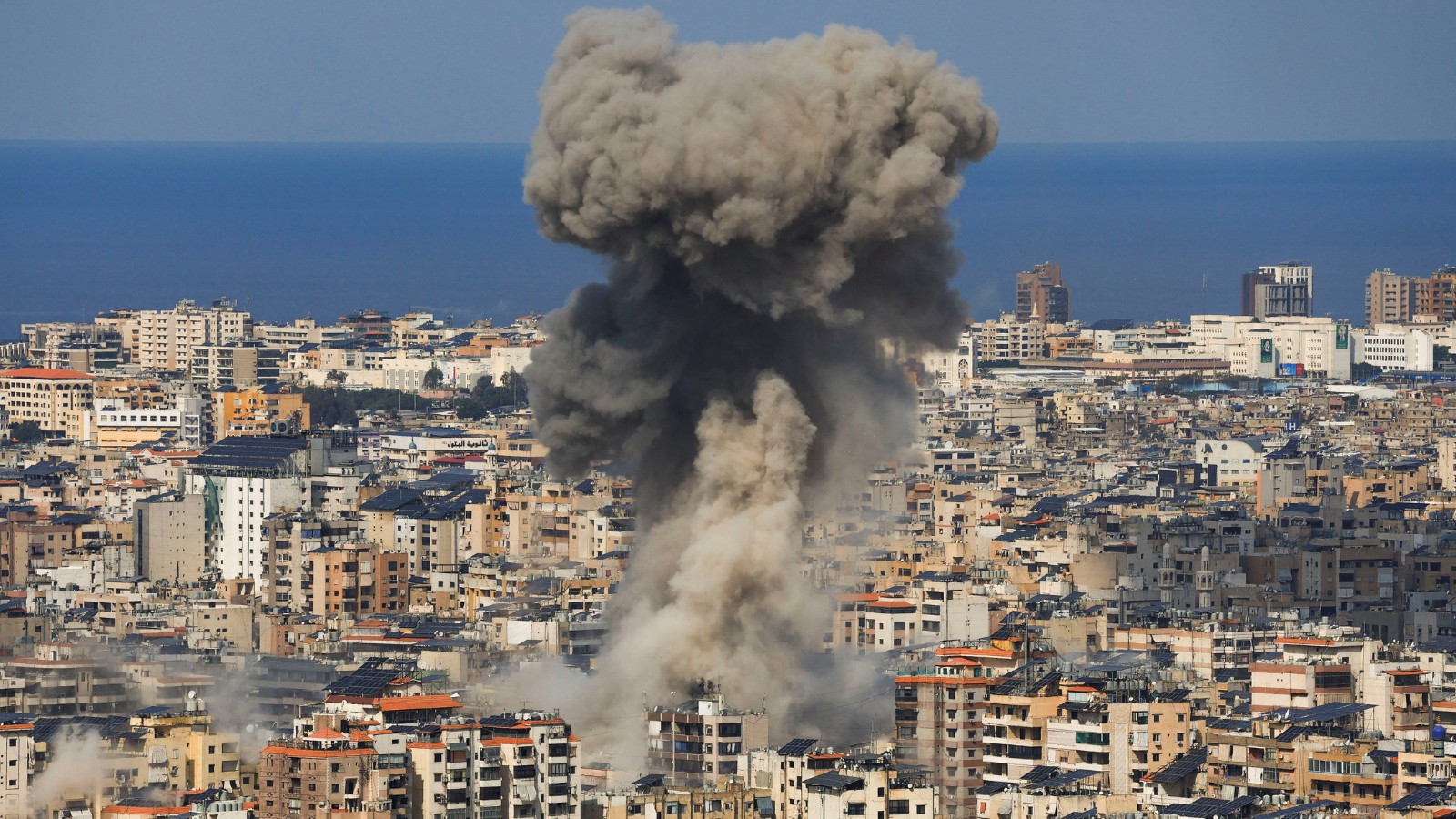
The shadow war between Tehran and the West has reached a point of exhaustion where the silence is finally breaking. Intelligence reports now indicate that Iranian operatives have initiated quiet, high-stakes overtures to discuss specific terms for a ceasefire, a move that suggests the domestic and economic pressures on the Islamic Republic have hit a critical threshold. This isn't a sudden burst of pacifism. It is a calculated survival tactic. For months, the region has teetered on the edge of a total conflagration, but these backchannel signals provide the first concrete evidence that the architects of Iran’s foreign policy are looking for an off-ramp before the costs of war become irreversible.
The primary driver here is the sheer weight of a collapsing economy meeting the reality of a degraded proxy network. While public rhetoric remains defiant, the internal math for the Iranian leadership has changed. They are signaling a willingness to discuss regional stability in exchange for a reprieve from the tightening noose of global sanctions.
The Mechanics of the Shadow Offer
The current diplomatic feelers aren't happening at mahogany tables in Geneva. They are moving through intermediaries in Muscat and Doha, where mid-level officials and trusted "private" citizens exchange non-papers and verbal assurances. The core of the offer involves a phased reduction in regional hostilities. Tehran is essentially testing the waters to see if a managed de-escalation can buy them the breathing room necessary to stabilize their currency and prevent further internal unrest.
This isn't a grand bargain. It is a series of transactional trade-offs. The operatives are floating a scenario where Iranian-backed groups scale back their frequency of attacks in exchange for a "frozen" sanctions status—meaning no new restrictions and a blind eye toward existing oil exports.
Why the NYT Report Matters Now
When the New York Times or similar outlets report on these "operatives," it serves a dual purpose. First, it acts as a trial balloon for the Iranian regime. They can gauge the reaction of the American and Israeli public without officially committing to a change in policy. If the backlash is too severe at home or from their hardline elements, they simply disavow the individuals as rogue actors or "unauthorized" voices.
Second, it puts the ball in Washington’s court. By making the offer public through leaks, the operatives are forcing Western leaders to choose between a messy, expensive war and a controversial, politically risky diplomatic engagement.
The Economic Wall
The Iranian Rial is not just a currency; it is a barometer of the regime’s lifespan. Every time a new strike occurs or a fresh set of sanctions is announced, the Rial hits new lows, sparking inflation that makes basic goods like eggs and fuel luxury items for the average citizen.
The leadership knows they cannot sustain the "Axis of Resistance" if the home front is starving. The "terms" being discussed are heavily weighted toward fiscal survival. They want access to billions in frozen assets currently sitting in foreign banks. They want a clear path to selling more crude to China without the constant threat of interdiction. For Tehran, peace is a commodity that can be traded for liquidity.
The Proxy Dilemma
A significant hurdle in these negotiations is the autonomy of the groups Iran has spent decades funding. You cannot simply flip a switch and expect every militia in Iraq, Syria, or Yemen to stop their operations overnight. These groups have their own local agendas and internal politics.
If the operatives in Tehran promise a ceasefire, they risk looking weak if their proxies continue to fire. This creates a credibility gap. The West is rightfully skeptical of any offer that doesn't include a verifiable mechanism for controlling these disparate forces. History shows that "informal" agreements in this region often fall apart the moment a local commander decides to settle a grievance on their own terms.
The Israel Factor
No discussion of an Iranian ceasefire offer is valid without considering the stance of Jerusalem. The Israeli security establishment views these overtures with extreme suspicion. They see it as a "taqiyya" strategy—a tactical deception intended to allow Iran to rebuild its strength while the international community is distracted.
Israel’s red lines are far more stringent than Washington's. While the U.S. might be content with a reduction in regional tension, Israel demands a total dismantling of the missile infrastructure on its borders. This gap between American and Israeli objectives is exactly what the Iranian operatives hope to exploit. By offering just enough to satisfy a war-weary U.S. administration, they can drive a wedge between the two allies.
The Risk of Miscalculation
The danger of backchannel diplomacy is the high potential for a lethal misunderstanding. When messages are relayed through third parties, the nuance of the "terms" can be lost.
One side might interpret a "pause" as a permanent cessation, while the other sees it as a temporary tactical repositioning. If a major incident occurs during these sensitive talks—a drone strike that hits the wrong target or a cyberattack that goes too far—the backlash will be twice as violent because the sense of betrayal will be added to the existing animosity.
Verification is the Only Currency
Trust is non-existent in this theater. Any discussion of ending the war must move beyond verbal offers and into the realm of measurable actions.
- Satellite Verification: Immediate cessation of weapons transfers to specific zones.
- Banking Transparency: Direct monitoring of how released funds are spent to ensure they aren't diverted back into military hardware.
- Joint Hotlines: Direct communication lines to prevent accidental escalations from spiraling into full-scale conflict.
The Hard Truth of Survival
The Iranian operatives making these offers are not reformers. they are pragmatists. They have seen the destruction in Gaza and the strikes against their own infrastructure, and they have done the math. They realize that the current trajectory leads to a direct confrontation that they might not survive.
The "terms" for ending the war are not about justice or long-term peace; they are about the preservation of power. The West is now faced with a choice: do they accept a flawed, fragile peace that keeps the current regime in place, or do they push for a total victory that risks a regional vacuum and even greater chaos?
The offer is on the table, but the price of accepting it might be just as high as the cost of the war itself. Every day the negotiations remain in the shadows, the risk of the front lines making the decision for the diplomats grows. Tehran is gambling that the world is tired enough to buy their version of peace.
Would you like me to analyze the specific economic indicators in the Iranian energy sector that are currently influencing these backchannel diplomatic maneuvers?