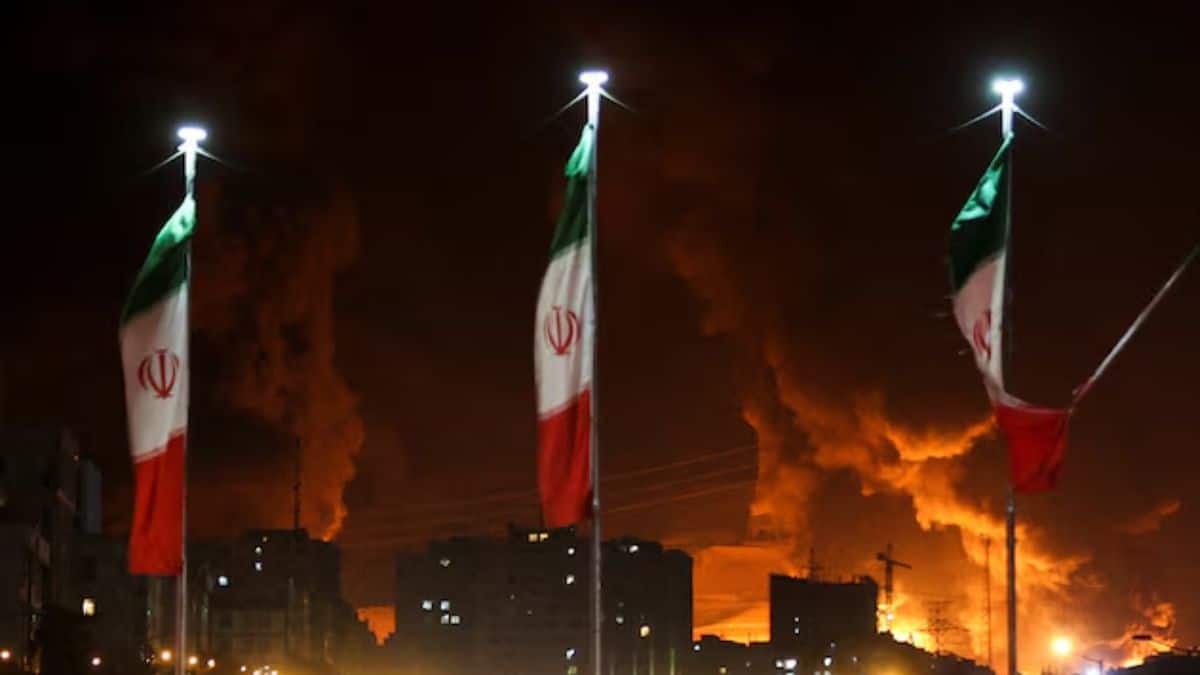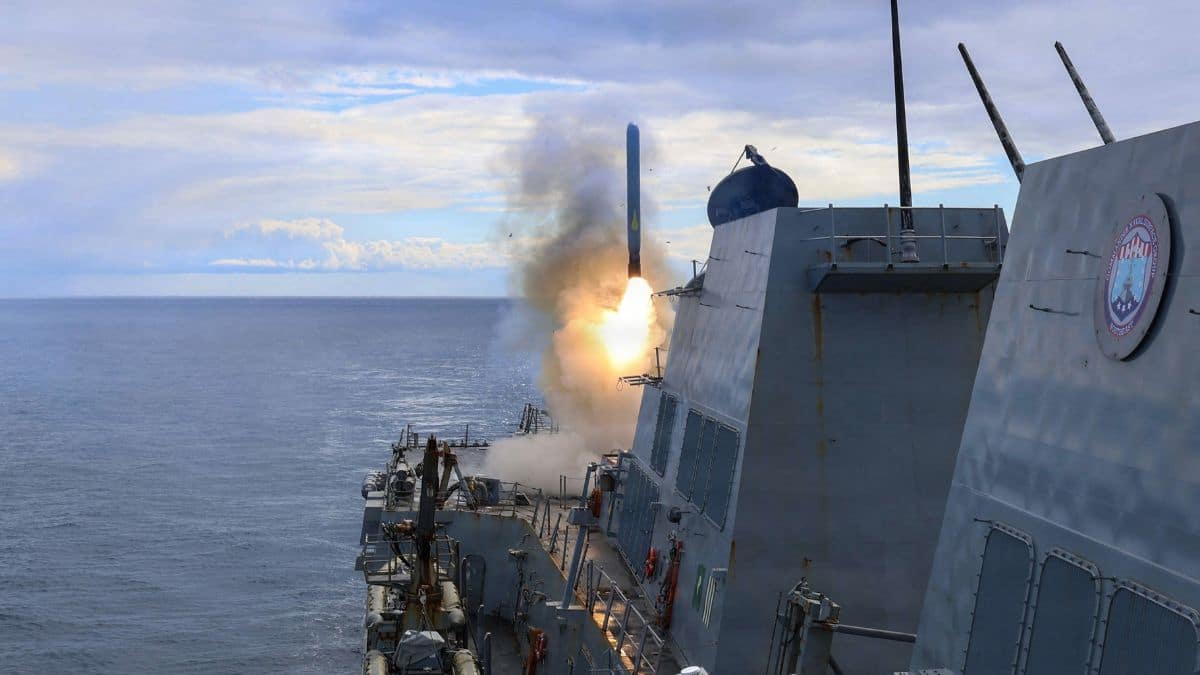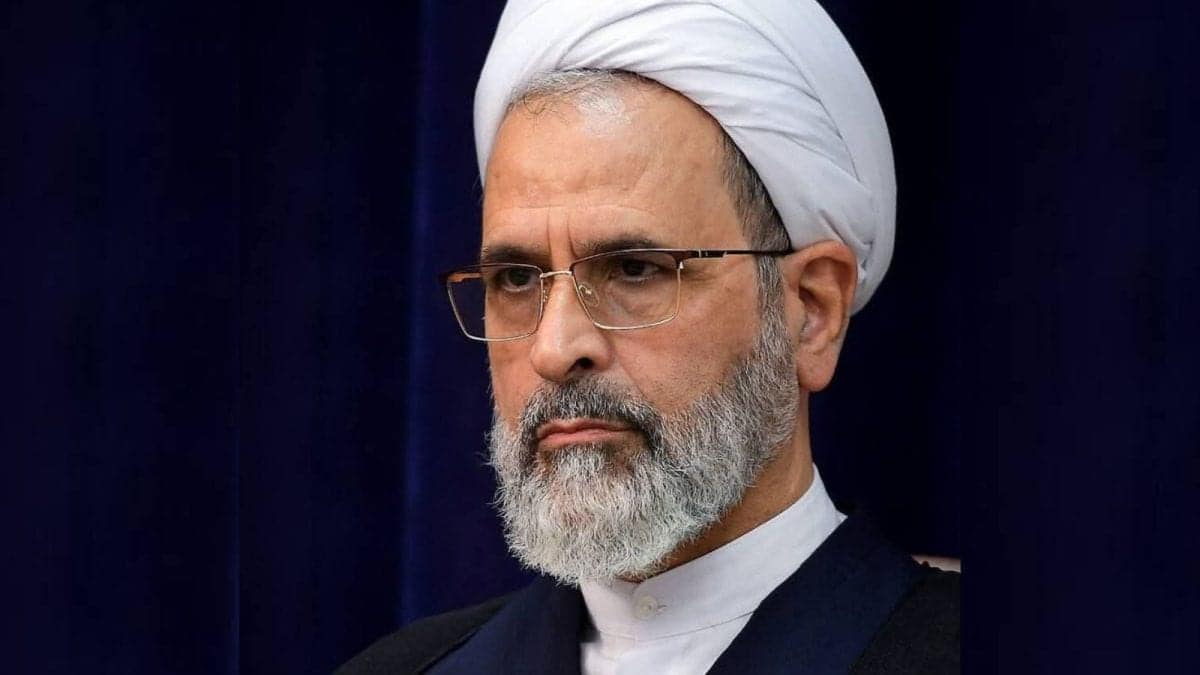
The dust hasn't even settled in Tehran, yet the gears of the Islamic Republic are already grinding into a new, uncertain gear. Following the killing of Ayatollah Ali Khamenei in a massive joint US-Israeli strike on February 28, 2026, Iran has turned to a man who, until recently, operated mostly in the shadows of the clerical elite. Ayatollah Alireza Arafi is now the clerical face of the interim leadership council. He isn't the sole leader—he shares power with President Masoud Pezeshkian and Chief Justice Gholam-Hossein Mohseni-Ejei—but as the only high-ranking jurist in the trio, he's effectively the ideological anchor.
People are scrambling to figure out if Arafi is a placeholder or a preview of what's coming. You've probably heard the term "seasoned cleric" tossed around. It's a polite way of saying he's a regime loyalist who knows how to navigate the labyrinth of Qom and Tehran without making too many enemies.
The constitutional path to power
Iran doesn't do power vacuums. According to Article 111 of their constitution, when a Supreme Leader dies or is incapacitated, a temporary council takes over immediately. This isn't a permanent promotion. Their job is to keep the lights on and the missiles pointed in the right direction while the Assembly of Experts—an 88-member body of clerics—votes on a permanent successor.
Arafi's inclusion in this trio isn't an accident. He was handpicked by the Guardian Council, a body he already sat on, to represent the religious authority of the state during this transition. While Pezeshkian handles the bureaucracy and Ejei handles the law, Arafi provides the "spiritual" legitimacy required by a theocratic state. He's 67, which in the world of Iranian ayatollahs, makes him a relatively young and energetic figure.
From Meybod to the halls of power
Born in 1959 in the town of Meybod, Arafi is a product of the revolution's inner circle. His father was a close confidant of the Republic's founder, Ruhollah Khomeini. That kind of pedigree matters in Iran. It's the ultimate "who you know" system. He moved to Qom at age 11, studying under the very men who would go on to run the country after 1979.
He’s not just a guy who recites scripture. Arafi spent years running Al-Mustafa International University. This wasn't some quiet liberal arts college; it was the primary vehicle for exporting Iran's brand of Shia Islam across the globe. Under his watch, the university expanded its reach into Africa, Southeast Asia, and Europe. He understands how to project influence far beyond Iran's borders, which is exactly why the regime trusts him now.
The 2016 election failure
It’s easy to look at Arafi now and see an unstoppable rise, but he’s stumbled before. In 2016, he ran for a seat on the Assembly of Experts in Tehran and lost. At the time, reformist-leaning candidates swept the city, leaving hardliners like Arafi out in the cold. Most people would’ve seen that as a career-ender.
Arafi didn't. He didn't need the voters; he had the Supreme Leader. Khamenei simply doubled down on him, giving him more administrative power over Iran's entire seminary system. By 2021, he finally made it onto the Assembly through a by-election and eventually became its second deputy chairman. He proved that in Iran, institutional loyalty beats a popular vote every single time.
A tech savvy hardliner
One thing that sets Arafi apart from the older, more "traditional" clerics is his obsession with modernization—on his own terms. He’s been a vocal advocate for using artificial intelligence (AI) to spread religious ideology and manage the state's sprawling religious bureaucracy. Don't mistake this for being "progressive." It’s about efficiency. He wants a version of the Islamic Republic that functions like a modern corporation but maintains the strict moral and political grip of a 7th-century caliphate.
He’s also surprisingly multilingual, reportedly fluent in Arabic and English. This makes him a useful asset for a regime that is increasingly isolated but still needs to communicate its "revolutionary" message to the world.
Is he the next Supreme Leader
That’s the trillion-dollar question. While he’s currently an interim leader, Arafi is definitely on the shortlist for the permanent job. He's a "safe" choice. He doesn't have the polarizing baggage of Mojtaba Khamenei (the late leader’s son), and he lacks the deep, public ties to the Revolutionary Guard (IRGC) that might make the civilian population even more restless.
However, being the safe choice is also his biggest weakness. He doesn't have a personal power base. He’s a bureaucrat in a turban. If the IRGC decides they want a more militant leader, or if the streets of Tehran erupt in protest against the entire system, Arafi might find himself sidelined as quickly as he was elevated.
What happens next in Tehran
The 40-day mourning period has started, but nobody is actually resting. The Assembly of Experts is under immense pressure to pick a successor "as soon as possible." Every day that passes with an interim council is a day where internal rivalries can turn into open conflict.
You should keep an eye on how Arafi handles the IRGC. Historically, he’s been seen as an insider who isn't necessarily a "Guard's man." If he starts appearing in public more frequently with military commanders, it’s a sign he’s trying to bridge that gap and secure his spot as the permanent successor.
For now, the country is holding its breath. The strikes that killed Khamenei also took out several top security officials, meaning the entire command structure is being rebuilt on the fly. Arafi is the man holding the religious seal of approval while the generals and politicians figure out if the Islamic Republic can survive this shock.
If you’re tracking this transition, watch the official state media broadcasts from Qom. The frequency of Arafi's speeches and the level of deference shown to him by other senior clerics will tell you everything you need to know about his chances for the top job. The "placeholder" might just be the permanent fixture sooner than anyone expected.