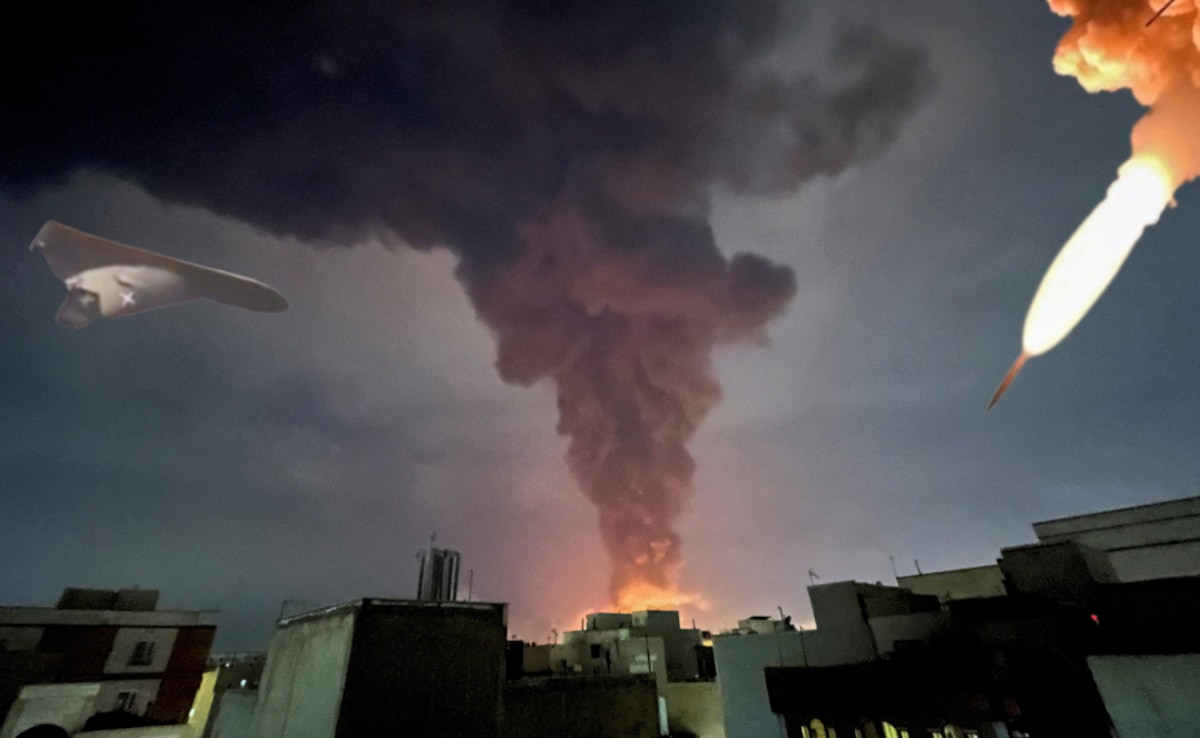
The projection of $61 billion (Rs 5,14,000 crore) in munitions and operational expenditure during the first 48 hours of a theoretical U.S.-Iran kinetic engagement represents more than a staggering fiscal figure; it identifies the transition from traditional regional skirmishing to high-intensity, peer-adjacent saturation warfare. This capital burn rate is driven by the necessity of overcoming integrated air defense systems (IADS) and neutralizing asymmetric naval threats through overwhelming volume. To understand this cost, one must look past the aggregate sum and analyze the specific cost-functions of modern suppression, the physics of missile interception, and the logistical friction of a Persian Gulf theater.
The Tri-Tiered Cost Architecture of Rapid Suppression
The initial 48 hours of any large-scale intervention are defined by the "First Strike Alpha," where the objective is the total degradation of the enemy’s Command, Control, Communications, Computers, Intelligence, Surveillance, and Reconnaissance (C4ISR). The expenditure follows a distinct tri-tiered architecture. In other news, take a look at: The Hollow Classroom and the Cost of a Digital Savior.
1. The Kinetic Precision Layer
The bulk of the initial investment is concentrated in long-range standoff munitions. Iranian defensive depth requires the use of Tomahawk Land Attack Missiles (TLAMs) and Joint Air-to-Surface Standoff Missiles (JASSMs). A single TLAM carries a unit price of roughly $2 million. In a saturation scenario designed to blind Iranian radar and disable subterranean missile silos, the firing rate would likely exceed 500 units within the first 12 hours.
This layer is not merely about the price of the missile, but the "cost-per-kill" ratio. When targeting mobile transporter-erector-launchers (TELs), the probability of kill ($P_k$) dictates that multiple munitions are often assigned to a single high-value target to ensure mission success. The math of 48-hour warfare is built on this redundancy. ZDNet has analyzed this important subject in great detail.
2. The Defensive Interception Burden
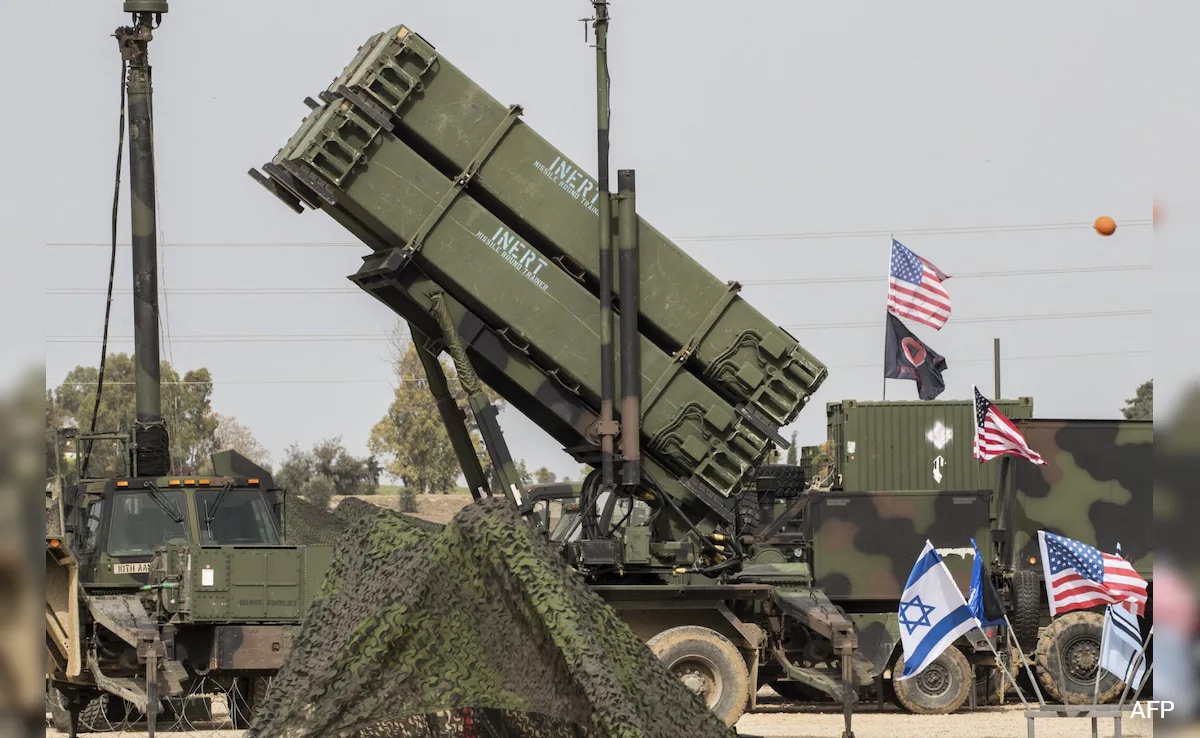
The second cost driver is the defensive inversion. Iran’s ballistic missile inventory—the largest in the Middle East—necessitates a constant "shield" expenditure. The U.S. and its regional allies utilize the Patriot (MIM-104) and Terminal High Altitude Area Defense (THAAD) systems.
- Patriot PAC-3 MSE Interceptors: Approximately $4 million per shot.
- THAAD Interceptors: Roughly $12 million per shot.
- SM-3 Block IIA (Naval): Exceeds $25 million per unit.
The economic asymmetry here is profound. If Iran launches a swarm of "Fateh-110" missiles costing roughly $100,000 to $300,000 each, the U.S. spends 20 to 40 times that amount to neutralize the threat in flight. In the first 48 hours, as Iran attempts to overwhelm Aegis-equipped destroyers, the defensive burn rate can easily eclipse the offensive budget.
3. Operational Friction and Platform Depreciation
Beyond the expendables, the cost includes the "fuel-and-maintenance" spike. A carrier strike group (CSG) operating at high-intensity flight cycles consumes millions of dollars in JP-5 aviation fuel and accelerated maintenance man-hours. Stealth platforms like the F-35 and F-22 require intensive radar-absorbent material (RAM) upkeep for every hour flown in contested airspace. The depreciation of these airframes, measured in "service life consumed," is a hidden but massive capital hit during high-G combat maneuvers.
The Saturation Paradox: Why Costs Scale Non-Linearly
Standard military budgeting often fails to account for the Saturation Paradox. In low-intensity conflict, costs are linear: one target equals one bomb. In a theater like the Strait of Hormuz, costs scale exponentially because of the "Swarm Logic" employed by the Islamic Revolutionary Guard Corps (IRGC) Navy.
To protect a $13 billion Ford-class aircraft carrier from a swarm of fast-attack craft and low-cost "suicide" drones, the defense must engage every potential threat. The cost of a 5-inch naval gun shell is low, but the cost of the sophisticated electronic warfare (EW) suites and the Rim-116 Rolling Airframe Missiles (RAM) used to ensure a 100% intercept rate is high.
The bottleneck here is the "Magazine Depth." Once a ship exhausts its Vertical Launch System (VLS) cells, it must withdraw to a secure port for a multi-day rearm. This withdrawal creates a tactical gap that must be filled by additional assets, effectively doubling the operational cost of maintaining a "station" in the Gulf.
Quantifying the Value of Information Superiority
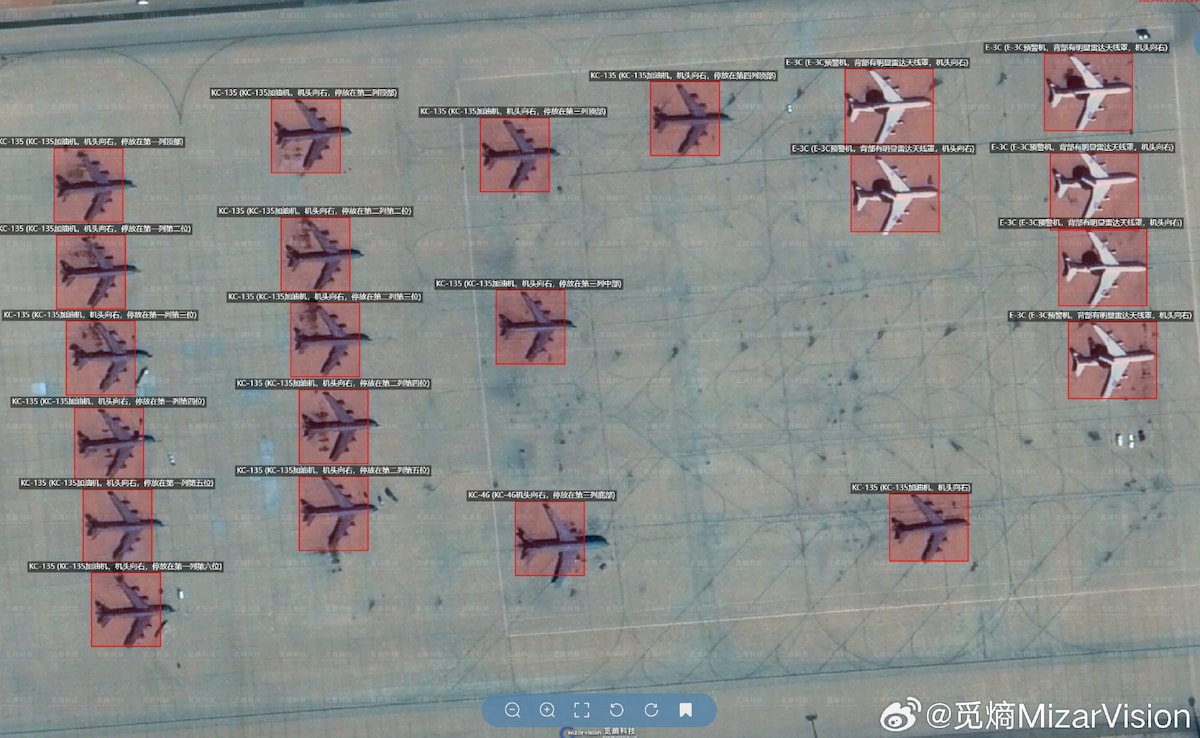
A significant portion of the $61 billion estimate is allocated to the "Invisible Front"—cyber and electronic warfare. Neutralizing Iran’s ability to use GPS jamming or to disrupt satellite links requires the continuous operation of E-3 Sentry (AWACS) and EA-18G Growler aircraft.
The Growler’s ALQ-99 and newer Next Generation Jammer (NGJ) pods consume massive amounts of power and require specialized technicians. While not "kinetic" in the sense of an explosion, the cost of maintaining an electronic "bubble" over the fleet is a constant drain. The objective is to force an "OODA Loop" (Observe, Orient, Decide, Act) collapse within the Iranian leadership. If the U.S. can degrade Iranian decision-making by 50% in the first 6 hours, the total duration of the war—and thus the total cost—drops significantly. However, achieving that initial 50% degradation requires a front-loaded investment in signals intelligence (SIGINT) that is reflected in the 48-hour price tag.
The Geopolitical Risk Premium: Energy and Insurance
Focusing solely on the price of bombs ignores the broader economic cost of the first 48 hours. The Strait of Hormuz sees approximately 20% of the world's total oil consumption pass through its waters daily.
- Maritime Insurance Spikes: Within hours of the first missile launch, "War Risk" insurance premiums for tankers would increase by 1,000% or more, effectively halting commercial traffic.
- Market Volatility: The global oil market would price in a "conflict premium." A $20 jump in the price of a barrel of Brent crude, sustained over just two days, results in a multi-billion dollar shift in global wealth, acting as an indirect tax on every oil-importing economy.
- Supply Chain Rupture: The disruption of regional hubs like Jebel Ali in Dubai would trigger a bullwhip effect in global logistics, particularly for electronics and automotive parts moving between Asia and Europe.
These externalities are often excluded from "military cost" articles but are inseparable from the strategic reality. The U.S. is not just paying for munitions; it is paying to prevent a global depression triggered by the closure of the world's most vital energy artery.
Structural Vulnerabilities in the $61 Billion Model
The primary limitation of this cost analysis is the assumption of "clean" engagement. The $61 billion figure assumes the U.S. can dictate the tempo. If Iran successfully employs "Area Denial" (A2/AD) tactics—such as mining the Strait or utilizing long-range anti-ship cruise missiles (ASCMs) hidden in coastal caves—the 48-hour window could stretch into a weeks-long war of attrition.
In an attrition scenario, the "Industrial Base Constraint" becomes the dominant factor. The U.S. currently lacks the surge capacity to rapidly replace expended JASSMs or LRASMs (Long Range Anti-Ship Missiles). A two-day surge that empties 30% of the national stockpile would force a strategic pause, regardless of the available budget. The "cost" then shifts from dollars to "strategic readiness," potentially leaving other theaters (like the Indo-Pacific) vulnerable.
Strategic Recommendation: The Shift to Cost-Imposing Strategies
For the U.S. to mitigate the $61 billion 48-hour burn rate, the transition must move toward "Cost-Imposing" technologies. This involves moving away from $4 million interceptors and toward:
- Directed Energy Weapons (DEW): High-energy lasers that can intercept drones and small craft at a "cost-per-shot" of less than $10 in electricity.
- Hyper-Velocity Projectiles (HVP): Using standard deck guns to achieve missile-like intercept capabilities at a fraction of the cost.
- Unmanned Attritable Platforms: Utilizing "loitering munitions" and autonomous underwater vehicles (AUVs) to perform the suppression roles currently held by manned, multi-billion dollar platforms.
The current financial trajectory of Iranian conflict is unsustainable because it favors the defender's low-cost asymmetric toolkit. The strategic play is to invert the cost-curve: making it more expensive for Iran to threaten the Strait than it is for the U.S. to defend it. Until this technological shift is fully realized, the first 48 hours of any Gulf conflict will remain the most expensive two days in modern military history.